Indiana Roofing Insurance Claims: A Step-by-Step Guide
Indiana Roofing Insurance Claims: A Step-by-Step Guide
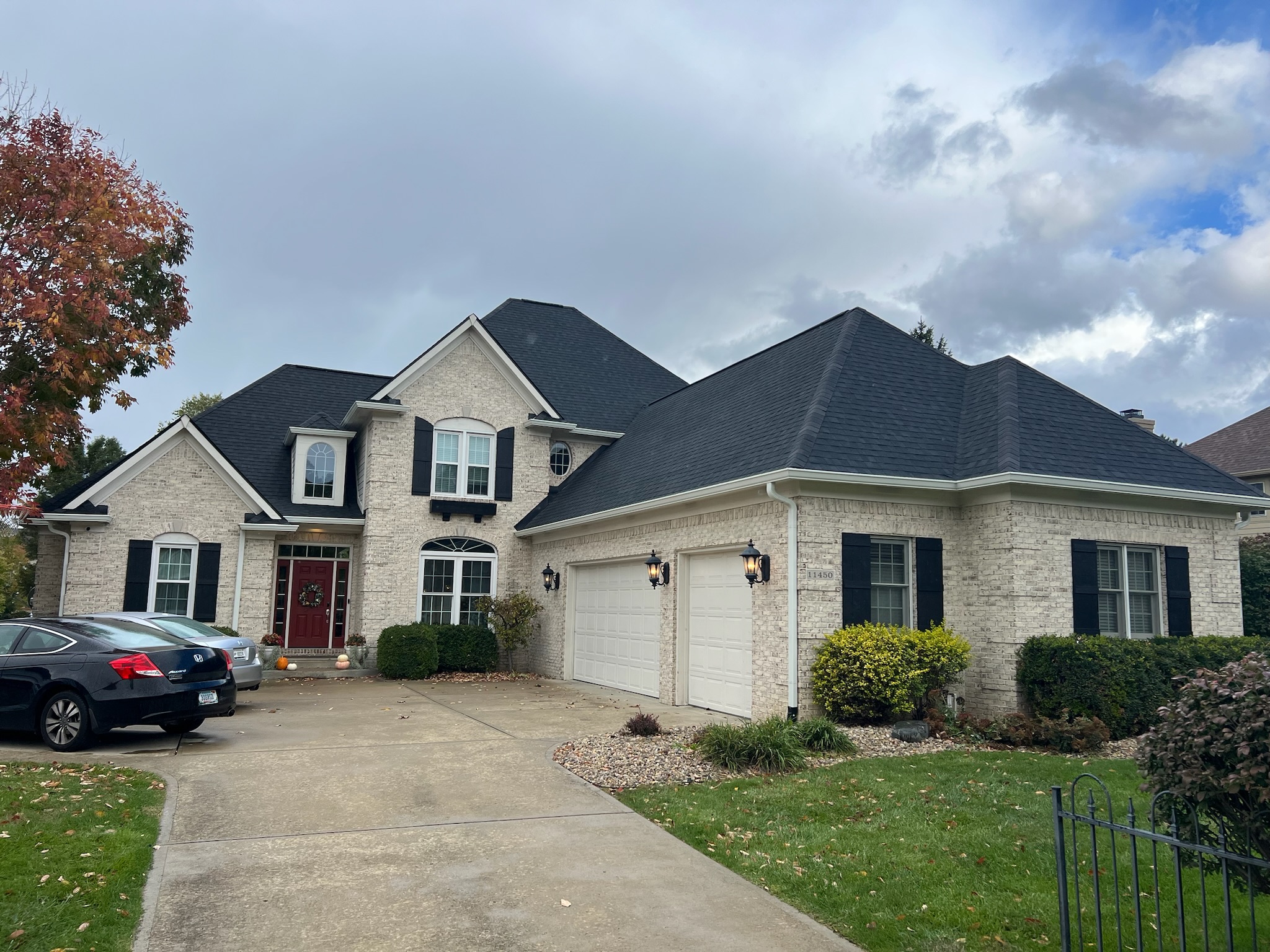
Indiana Roofing Insurance Claims: A Step-by-Step Guide
Roof damage can happen at any time. In Indiana, homes are constantly battered by severe storms, hail, and extreme weather events throughout the year. Your roof is your first line of defense, safeguarding your family, belongings, and financial investment.
Knowing how to navigate Indiana roofing insurance claims can make all the difference. It sets apart homeowners who receive fair compensation from those who face denied claims and have to pay out of pocket.
The claims process requires quick action on your part:
- Document the damage as soon as possible.
- Get in touch with your insurance company without delay.
- Understand the complex language used in your policy.
If you miss any of these steps, you could end up losing thousands of dollars in coverage that you're entitled to.
That's where trusted roofing companies in Indianapolis come in. They do more than just fix roofs—they play a crucial role in the claims process:
- Experienced contractors can spot damage that an untrained person might miss.
- They know how to document their findings in a way that's professional and persuasive.
- They have direct communication with insurance adjusters, using industry-specific terms that carry weight.
- Local roofing professionals in Indianapolis understand the unique weather patterns, common types of damage, and specific policy requirements that Indiana insurers have.
This guide is here to help you through every step of filing an Indiana roofing insurance claim. We'll explain what events trigger coverage, how to properly document damage, and when it's necessary to bring in professional contractors.
We'll also highlight common mistakes that can derail claims and provide strategies for appealing denied coverage. Remember, time is of the essence when it comes to insurance claims. So don't wait any longer—read this guide now to protect your home investment and secure the compensation promised by your policy.
Understanding Indiana Roofing Insurance Policies
Homeowners insurance Indiana policies provide specific protection for roof damage, but coverage varies significantly between carriers and policy types. Most standard policies include your roof as part of the dwelling coverage, typically representing 20-30% of your total dwelling coverage limit. Read your policy declarations page to identify your exact coverage amounts and limitations.
Standard Coverage Under Indiana Policies
Roof damage coverage Indiana typically protects against sudden, accidental damage from covered perils. Your policy responds when specific events cause unexpected harm to your roofing system. Standard insurance policy roof coverage includes:
- Storm damage: Wind-driven rain, tornado damage, and severe thunderstorms
- Hail impact: Dents, punctures, and granule loss from hailstones
- Fire damage: Direct fire exposure and smoke damage to roofing materials
- Extreme weather events: Ice dams, heavy snow accumulation, and lightning strikes
- Falling objects: Tree limbs, debris, or other objects that impact your roof
Critical Exclusions in Roof Coverage
Insurance carriers deny claims for predictable, preventable damage. Your policy excludes:
- Normal wear and tear: Age-related deterioration and material breakdown
- Poor maintenance: Neglected repairs, clogged gutters, and ignored minor damage
- Pre-existing conditions: Damage that occurred before policy inception
- Cosmetic damage: Aesthetic issues that don't affect roof function
- Improper installation: Manufacturing defects or contractor errors
Document regular maintenance activities. Keep receipts for repairs, cleaning services, and inspections to prove proper upkeep.
Replacement Cost Value vs Actual Cash Value
Replacement Cost Value (RCV) pays the full cost to replace your damaged roof with new materials of similar quality. This coverage type provides maximum financial protection but carries higher premiums. RCV policies reimburse you for:
- Complete material costs at current market prices
- Labor expenses for professional installation
- Removal and disposal of damaged materials
On the other hand, Actual Cash Value (ACV) calculates payment by subtracting depreciation from replacement costs. A 15-year-old roof receives significantly less compensation than a new roof, even for identical damage. ACV policies factor in:
- Age of existing roofing materials
- Expected lifespan of your roof type
- Current condition before damage occurred
Most Indiana carriers issue initial payments based on ACV, then release the depreciation amount (recoverable depreciation) after you complete repairs. Submit final invoices and proof of completed work to receive full RCV benefits. Check your policy to determine which valuation method applies to your roof coverage.
Identifying Roof Damage That Warrants an Insurance Claim
Recognizing roof damage signs Indianapolis homeowners face requires immediate attention. Act fast when you spot these indicators—delays compromise your claim and worsen existing damage.
Exterior Warning Signs
Inspect your roof from ground level after severe weather events. Look for these critical markers:
- Missing or displaced shingles exposing underlayment or decking
- Granule loss creating bare spots on asphalt shingles—a telltale sign of hail damage roof Indianapolis properties commonly experience. This granule loss can significantly affect your roof's integrity.
- Dented or cracked shingles with visible impact marks
- Broken or damaged flashing around chimneys, skylights, and vents
- Sagging or uneven roof lines indicating structural compromise
Hail damage roof Indianapolis claims often stem from granule accumulation in gutters and downspouts. Check these areas after storms—excessive granule buildup signals significant surface damage requiring professional assessment.
Interior Damage Indicators
Enter your attic and living spaces to identify storm damage roof Indiana residents must document:
- Water stains on ceilings or walls appearing after recent weather events
- Active leaks during or immediately following rainfall
- Daylight visible through roof boards when viewed from the attic
- Mold or mildew growth in attic spaces suggesting prolonged moisture intrusion
- Musty odors indicating hidden water damage
Black streaks running down your roof don't always warrant claims—these typically result from algae growth, an aesthetic issue rather than structural damage. Distinguish between cosmetic problems and legitimate storm damage roof Indiana insurance covers.
Structural Concerns Requiring Professional Evaluation
Certain damage types demand expert inspection before filing:
- Curling or cupping shingles at edges—signs of aging or wind damage
- Blistering shingles with raised areas containing trapped moisture
- Cracked or deteriorated rubber boots around vent pipes
- Loose or separated flashing at roof penetrations and valleys
Document everything with timestamped photographs from multiple angles. Capture close-up shots of specific damage and wide-angle views showing the roof's overall condition. This evidence strengthens your claim submission and expedites adjuster evaluations.
Step-by-Step Guide to Filing a Roofing Insurance Claim in Indiana
Act immediately when damage strikes your roof. The clock starts ticking the moment storm winds tear through your neighborhood or hail pelts your shingles. Filing roofing claim Indiana requires precision, documentation, and swift action to protect your rights and maximize your settlement.
Step 1: Documenting Roof Damage Immediately
Grab your camera or smartphone before anything else. Capture every angle of the damage while conditions remain fresh. Take wide shots showing the entire roof structure, then zoom in on specific problem areas. Document these critical elements:
Exterior Documentation:
- Missing, cracked, or displaced shingles from multiple vantage points
- Dents or dimples in metal flashing, gutters, and downspouts
- Granule accumulation in gutters and downspouts
- Damage to roof vents, skylights, and chimney caps
- Debris impact marks or punctures in roofing materials
- Date and time stamps on all photographs
Interior Documentation:
- Water stains on ceilings and walls with measurements
- Active leaks with containers catching drips
- Damaged insulation visible in attic spaces
- Mold or moisture indicators near penetration points
- Damaged personal property affected by roof leaks
Create a written log alongside your photos. Note the date, time, and weather conditions when damage occurred. Record the approximate size of hail stones if applicable. Describe wind speeds if known from local weather reports. This documentation forms the foundation of your roofing insurance claim steps Indianapolis adjusters will review.
Preserve physical evidence when safe to do so. Collect damaged shingle pieces, hail stones (store in freezer), or debris that caused impact damage. These tangible items strengthen your claim during the insurance adjuster inspection Indiana process.
Safety Precautions:
- Never climb onto a damaged roof
- Avoid walking on wet or compromised surfaces
- Use ground-level or window perspectives for photos
- Wait for professional inspection for close-up damage assessment
Take photos of neighboring properties showing similar damage patterns. This comparative evidence demonstrates the storm's widespread impact and validates your claim's legitimacy. Insurance companies scrutinize isolated damage claims more heavily than those consistent with area-wide weather events.
Create backup copies of all documentation immediately. Upload photos to cloud storage, email them to yourself, and save them on multiple devices. Lost documentation delays claims processing and weakens your negotiating position.
Mark the damage locations on a simple roof diagram. Sketch your roof's layout and indicate where each problem exists. This visual reference helps adjusters locate specific issues during their inspection and ensures nothing gets overlooked.
Contact emergency repair services if damage threatens immediate harm to your property. Temporary tarping or emergency patches prevent further water intrusion. Save all receipts for emergency services—most policies reimburse reasonable emergency mitigation costs. Document the emergency repairs with before and after photos.
Step 2: Promptly Notifying Your Insurance Company
Contact your insurance company within 24-48 hours of discovering roof damage. Most Indiana homeowners insurance policies require immediate notification of damage. Check your policy documents for specific time limits. Missing these deadlines can result in claim denial.
Report your claim through multiple channels:
- Call your insurer's 24-hour claims hotline
- Submit an online claim through your insurance company's website or mobile app
- Send a follow-up email documenting the date and time of your initial report
- Keep records of all claim numbers and representative names
Provide essential information during your initial report:
- Policy number and policyholder information
- Date and time when damage occurred
- Type of damage observed (hail impact, wind damage, fallen tree)
- Brief description of affected areas
- Whether emergency repairs are needed to prevent additional damage
Document every conversation with your insurer. Write down the date, time, representative's name, and key points discussed. Request written confirmation of your claim filing. Ask for your claim number immediately and reference it in all future communications.
Request a copy of your policy's roof coverage details during this initial contact. Clarify whether your policy provides Replacement Cost Value or Actual Cash Value coverage. Ask about your deductible amount and any specific requirements for filing roofing claim Indiana processes.
Inquire about temporary repair coverage. Many policies allow emergency repairs to prevent further damage before the adjuster's inspection. Get written approval before making any repairs beyond basic tarping or temporary weatherproofing.
Time-sensitive actions matter. Insurance companies in Indianapolis typically schedule adjuster inspections within 3-7 business days of claim filing. The faster you report damage, the sooner you'll receive your inspection appointment. Delays in reporting can complicate the claims process and raise questions about when damage actually occurred.
Step 3: Scheduling and Preparing for the Insurance Adjuster's Inspection
Contact your insurer to schedule the adjuster's visit as soon as possible after filing your roofing claim in Indiana. Most insurance companies send out adjusters within 3-7 business days, depending on how many claims they have and the weather conditions. Request a specific appointment time to ensure you're present during the entire inspection.
Prepare your property before the adjuster arrives:
- Clear access paths to your home's exterior, removing lawn furniture, vehicles, or debris blocking roof views
- Compile all documentation gathered during Step 1, including photos, videos, and written notes. For instance, if you've experienced hurricane damage, proper documentation is crucial.
- Locate your insurance policy documents and have them readily available
- Create a list of all damaged areas you've identified
- Secure any temporary repairs you've made to prevent additional damage
The insurance adjuster inspection in Indiana typically lasts 30-90 minutes. The adjuster will examine your roof from ground level using binoculars, then climb onto the roof to assess damage up close. They'll photograph damaged areas, measure affected sections, and document their findings in a detailed report.
Expect the adjuster to evaluate:
- Shingle condition and missing pieces
- Hail impact points and dent patterns
- Wind damage to flashing and underlayment
- Structural integrity of decking and support beams
- Age and pre-existing wear of roofing materials
Accompany the adjuster throughout the inspection when possible. Point out specific damage areas you've documented, but avoid arguing about their assessment. Ask questions about their findings and request clarification on any items they mark as excluded from coverage.
Take your own photos and notes during the adjuster's inspection. Document what they examine and record their verbal comments about damage severity. Request a copy of their preliminary findings before they leave your property.
Many Indianapolis roofing contractors offer free inspections alongside insurance adjusters. Having a qualified roofing professional present provides a second expert opinion and ensures nothing gets overlooked during the roofing insurance claim steps in Indianapolis.
In some cases, especially when dealing with extensive storm damage, it might be beneficial to call a structural engineer for a thorough assessment. This can provide additional insights into the extent of the damage and help in negotiating with the insurance company.
Step 4: Reviewing the Adjuster's Report Carefully
Receive the adjuster's report within 5-10 business days after the inspection. Read every line of this document. The report determines whether your claim gets approved, denied, or partially covered.
Critical Elements to Examine:
- Damage Assessment Details - Verify the adjuster documented all damage you identified. Check if missing shingles, hail impacts, or structural issues appear in the report. Cross-reference with your own photos and notes from Step 1.
- Scope of Repairs - The report lists specific repairs the insurance company agrees to cover. Examine this section against actual damage. Look for discrepancies between what needs repair and what the adjuster approved.
- Cost Estimates - Review the dollar amounts assigned to each repair item. Insurance companies often use software that may undervalue local Indianapolis labor rates or material costs. Compare these figures with market rates from qualified roofing contractors.
- Coverage Determinations - The adjuster states which damages fall under your policy coverage and which don't. Understand the reasoning behind exclusions. Some adjusters classify legitimate storm damage as "wear and tear" to reduce payouts.
- Depreciation Calculations - If your policy pays Actual Cash Value (ACV), the report shows depreciation deductions. Verify these calculations match your policy terms. RCV policies should show full replacement costs without depreciation.
Request clarification on any unclear findings. Document your questions in writing. Take note of items the adjuster missed during the inspection. Prepare to challenge inaccurate assessments with your own evidence.
The adjuster's report serves as the foundation for your entire filing roofing claim Indiana process. Errors or omissions in this document directly impact your settlement amount. Act quickly to dispute problematic findings. Most insurance companies allow 30-60 days to contest report conclusions before finalizing claim decisions.
Step 5: Obtaining Repair Estimates from Qualified Roofing Contractors
Request estimates from at least three licensed roofing contractors in Indianapolis. This step directly impacts your claim's success and your roof's long-term performance. The estimates provide concrete evidence of repair costs when negotiating with your insurance company.
Verify contractor credentials immediately:
- Active Indiana contractor's license
- Current liability insurance and workers' compensation coverage
- Local business address and established reputation in Indianapolis
- Experience handling insurance claims for residential roofing projects
- References from recent insurance claim work
Licensed contractors understand the roofing insurance claim steps Indianapolis insurers require. They document damage using industry-standard terminology that adjusters recognize. Their estimates include detailed breakdowns of materials, labor, and necessary repairs that align with insurance company expectations.
Request comprehensive written estimates that include:
- Itemized list of all damaged components requiring replacement
- Specific roofing materials matching your existing system
- Labor costs broken down by task
- Permit fees and disposal costs
- Project timeline from start to completion
- Warranty information for materials and workmanship
Experienced Indianapolis residential roofing contractors identify damage the adjuster might have missed. They spot issues with underlayment, decking, or ventilation systems that aren't visible from ground level. These professionals provide photographic evidence and technical explanations supporting additional repairs.
Choose contractors who communicate directly with insurance adjusters. Many reputable companies in Indianapolis handle this coordination as part of their service when filing roofing claim Indiana. They speak the insurance industry's language and understand policy coverage nuances.
Avoid contractors who offer to waive your deductible or promise to inflate estimates. These practices violate insurance regulations and jeopardize your claim. Select professionals who provide honest assessments based on actual damage and necessary repairs. Their integrity protects your claim from potential fraud allegations that could result in denial.
Step 6: Submitting All Required Claim Forms and Documentation
Gather every document your insurer demands. Missing paperwork stalls your claim and creates unnecessary delays. Your insurance company requires specific forms to process your roofing insurance claim steps Indianapolis residents must complete accurately.
Essential Documentation Checklist:
- Completed claim form with policy number and incident date
- All photographs documenting roof damage from multiple angles
- Written estimates from licensed roofing contractors
- Copies of the insurance adjuster inspection Indiana report
- Receipts for emergency repairs or temporary protective measures
- Weather reports confirming storm dates and severity
- Previous maintenance records proving proper upkeep
Review each form before submission. Errors or incomplete information trigger automatic rejections. Check that dates match across all documents. Verify contractor license numbers appear on estimates. Confirm your contact information remains current.
Critical Filing Requirements:
Submit documentation within your policy's specified timeframe. Most Indiana insurers impose strict deadlines ranging from 30 to 60 days after damage occurs. Late submissions provide grounds for claim denial regardless of damage severity.
Organize documents logically. Create a master file containing:
- Damage documentation (photos, videos, notes)
- Professional assessments and estimates
- Official reports (adjuster findings, weather data)
- Communication records (emails, call logs)
- Signed forms and declarations
Keep copies of everything. Send documents via certified mail or through your insurer's online portal with delivery confirmation. Track submission dates meticulously. Request written confirmation of receipt from your insurance company.
Double-check contractor estimates match adjuster findings. Discrepancies between reports raise red flags and slow processing. Address any inconsistencies immediately with supporting evidence. Document explanations for differences in damage assessment or repair costs.
Attach supplementary evidence strengthening your claim. Include neighbor damage reports, professional inspection certificates, or expert opinions when filing roofing claim Indiana homeowners submit for complex damage scenarios. Comprehensive documentation accelerates approval and reduces dispute likelihood.
Step 7: Following Up Persistently with Your Insurance Company
Submitting a claim is just the beginning. To ensure a smooth claims process, you need to actively participate and follow up regularly.
1. Track Your Claim Information
Immediately after submitting your claim, make sure to track your claim number and adjuster contact information. Store this data in multiple locations such as your phone, email, and written notes. This way, you'll have quick access to it whenever questions arise or delays occur.
2. Call Your Insurance Company Regularly
After submitting your documentation, it's important to stay proactive. Call your insurance company every 3-5 business days to check on the status of your claim. During these calls, ask specific questions like:
- What stage is my claim currently in?
- Has the adjuster completed their review?
- Are any additional documents needed?
- What is the expected timeline for the next step?
- Who can I contact if issues arise?
3. Document Every Conversation
Keep a record of every conversation you have with your insurance company. Note down the date, time, representative's name, and details discussed. This paper trail will prove invaluable if disputes emerge later in the roofing insurance claim steps Indianapolis process.
4. Request Written Confirmation for Agreements
Sometimes, during phone calls, insurance representatives may promise certain coverage or timelines. It's crucial to get these commitments in writing through email or formal letters. Verbal promises hold little weight without documentation.
5. Set Reminders for Follow-Up Calls
Claims can stall when homeowners assume that the insurer is working diligently without any oversight. To prevent this from happening, set calendar reminders for follow-up calls with your insurance company.
6. Escalate When Necessary
If you notice that your assigned adjuster becomes unresponsive or if the filing roofing claim Indiana process stalls beyond reasonable timelines, don't hesitate to escalate the issue by requesting to speak with a supervisor. Provide them with your documentation log showing attempted contacts and lack of response.
7. Send Certified Mail for Important Communications
Certain communications may require legal proof of delivery and receipt. In such cases, use certified mail when submitting additional evidence, disputing findings, or requesting status updates after extended silence.
8. Seek Assistance from Your Roofing Contractor
Your roofing contractor can play a valuable role in assisting you with follow-up efforts. Many Indianapolis roofing professionals maintain relationships with local insurance adjusters and understand typical processing timelines.
By following these steps and staying persistent in your communication with the insurance company, you'll increase your chances of a successful claims process and timely resolution for your roofing needs.
Working with Roofing Contractors in Indianapolis During Insurance Claims Process
When dealing with insurance claims, it's important to choose roofing contractors in Indianapolis who have experience handling such claims. These experts understand the language of insurance policies, know what documents are needed, and are familiar with what insurance adjusters expect. Local roofers in Indianapolis, Indiana have specific knowledge about weather patterns in the area and the types of damage that insurers commonly see.
How Reputable Contractors Can Help You During Claims
Experienced contractors can provide valuable assistance during the claims process:
- Direct communication with insurance adjusters to clarify the extent of the damage
- Detailed estimates that align with industry-standard pricing recognized by insurers
- Photographic evidence and technical documentation to support your claim
- Expert testimony when there are disagreements about the severity of the damage or the need for repairs
Many roofing companies in Indianapolis, Indiana offer assignment of claim services. This means that contractors can speak directly with your insurer on your behalf. The contractor will submit estimates, answer technical questions, and negotiate repair scopes while you still have control and benefit from professional advocacy. Always make sure to sign assignment forms only after verifying contractor credentials and reviewing all terms.
Understanding the Difference Between Residential and Commercial Roofing Services
Residential roofing in Indianapolis focuses on single-family homes, townhouses, and small multi-unit properties. These projects typically involve:
- Asphalt shingle repairs and replacements
- Attic ventilation assessments
- Gutter and downspout integration
- Smaller-scale storm damage restoration
On the other hand, commercial roofing in Indianapolis deals with larger buildings that have different materials and requirements. Commercial roofing contractors in Indianapolis handle:
- Flat or low-slope roofing systems (TPO, EPDM, modified bitumen)
- Multi-story buildings that need specialized equipment
- Business interruption considerations during repairs
- Code compliance for commercial properties
It's important to note that commercial roofing companies in Indianapolis have different insurance certifications and bonding levels compared to residential contractors. Therefore, always verify that your contractor has the necessary licenses for your property type.
Choosing the Right Roofing Professionals in Indianapolis IN
Before signing contracts, it's crucial to check contractor credentials:
- Active Indiana contractor license
- General liability and workers' compensation insurance
- Local references from recent insurance claim projects
- Better Business Bureau ratings and complaint history
- Manufacturer certifications for materials they install
Request written estimates from multiple roofing repair specialists in Indianapolis. Compare costs for each line item, specifications of materials used, and warranty terms offered by each contractor. Legitimate contractors provide transparent pricing without using pressure tactics.
Be cautious of contractors who offer to waive deductibles or guarantee claim approval. These practices go against insurance regulations and may be considered fraudulent activity. Instead, work with professionals who accurately document any damages caused by storms or other incidents affecting your roof system so that evidence can support your case when filing a claim with an insurer.
Common Mistakes to Avoid When Filing a Roofing Insurance Claim in Indiana
Homeowners often make critical mistakes during the claims process that can jeopardize their coverage and delay repairs. It's important to be aware of these common errors so you can protect your investment.
1. Misunderstanding Policy Coverage and Delaying Claim Filing
One of the biggest mistakes homeowners make is not fully understanding their insurance policy. It's crucial to read your policy documents before any damage occurs, so you know exactly what is covered and what is not.
Here are some key areas to pay attention to in your policy:
- Deductible amounts for wind and hail damage
- Time limits for reporting claims after damage occurs
- Coverage caps for roof replacement versus repair
- Exclusions for specific weather events or damage types
Another important aspect is to report any damage as soon as possible, preferably within 24-48 hours of discovering it. Insurance companies in Indiana have strict deadlines for claim filing, and waiting too long could result in your insurer denying the claim altogether.
2. Neglecting Regular Roof Maintenance Before Filing
Insurance adjusters will closely examine your roof's maintenance records during their inspections. If they find evidence of neglect, such as a roof showing signs of wear and tear or lack of proper care, it could give them grounds to deny your claim or reduce the settlement amount.
To strengthen your claim position, it's essential to maintain detailed records of all roof maintenance activities, including:
- Annual roof inspections by licensed professionals
- Gutter
What To Do If Your Roofing Insurance Claim Is Denied or Disputed?
A denied roofing claim Indiana situation demands immediate action. Insurance companies reject claims for various reasons—insufficient documentation, policy exclusions, or disputes over damage causation. Don't accept the denial without challenging it.
Review the Denial Letter Thoroughly
Read every word of the denial letter. Insurance companies must provide specific reasons for rejection. Identify the exact policy language cited and the evidence gaps mentioned. Compare the denial reasons against your policy terms. Many denials stem from misinterpretation or incomplete information rather than legitimate coverage issues.
Gather Additional Evidence
Strengthen your case with supplementary documentation:
- Professional roof inspection reports from licensed contractors detailing damage extent
- Weather data from the National Weather Service proving storm occurrence on claimed dates
- Additional photographs showing damage from multiple angles
- Expert opinions from roofing specialists explaining how damage occurred
- Repair estimates from multiple qualified contractors
Document everything in writing. Create a timeline connecting the weather event to the discovered damage. The more evidence you compile, the stronger your appeal becomes.
File a Formal Appeal
Submit a written appeal within the timeframe specified in your denial letter—typically 30 to 60 days. Include:
- A detailed letter explaining why the denial is incorrect
- All supporting documentation and evidence
- References to specific policy provisions supporting your claim
- Professional assessments contradicting the adjuster's findings
Send the appeal via certified mail with return receipt requested. Keep copies of all correspondence.
Consider Hiring a Public Adjuster
Public adjusters work exclusively for policyholders, not insurance companies. These licensed professionals:
- Evaluate damage independently without insurance company bias
- Interpret policy language to identify coverage you might have missed
- Negotiate directly with insurance adjusters on your behalf
- Document claims thoroughly using industry-standard methods
- Handle all paperwork and communication with insurers
Public adjusters typically charge 10-15% of the final settlement amount. This investment often pays for itself through higher claim payouts. They understand insurance company tactics and know how to counter lowball offers or unjustified denials.
Escalate to the Indiana Department of Insurance
File a complaint with the Indiana Department of Insurance if your insurer acts in bad faith. The department investigates unfair claim handling practices and can pressure insurers to reconsider decisions. Document all interactions with your insurance company before filing—dates, names, conversation summaries, and outcomes.
Duration and Timeline Expectations for Roofing Insurance Claims in Indiana
Understanding the roofing claim timeline Indiana homeowners face helps set realistic expectations. Most claims progress through several distinct phases, each with its own timeframe.
Initial Phase (1-3 Days)
- File your claim immediately after discovering damage
- Insurance company assigns an adjuster within 24-48 hours
- Schedule the inspection appointment
Inspection and Assessment (3-7 Days)
- Adjuster visits your property to evaluate damage
- Documentation review and damage assessment completion
- Initial report submission to insurance company
Review and Approval (7-14 Days)
- Insurance company reviews adjuster's findings
- Claim approval or request for additional documentation
- Payment processing begins for approved claims
Repair Phase (2-6 Weeks)
- Contractor scheduling depends on weather and availability
- Material procurement adds 3-7 days
- Actual roof installation takes 1-3 days for most residential projects
Several factors impact these timelines:
- Storm severity - Major weather events create backlogs with multiple claims
- Claim complexity - Extensive damage requires more thorough evaluation
- Documentation quality - Complete initial submissions prevent delays
- Contractor availability - Peak seasons extend scheduling times
- Insurance company workload - High claim volumes slow processing
Expect 3-8 weeks from damage occurrence to repair completion under normal circumstances. Complex claims or disputes extend this timeline significantly.
Conclusion
Protect your home investment. Act decisively when roof damage strikes. This Indiana roofing insurance claims guide equips you with the knowledge to navigate the claims process effectively.
Partner with licensed, experienced roofing contractors in your area. Local professionals understand Indiana's weather patterns, insurance requirements, and building codes. They communicate directly with adjusters, document damage accurately, and provide detailed repair estimates that insurers respect.
Key actions to secure successful claim outcomes:
- Document damage immediately with comprehensive photos and notes
- Report claims promptly—delays jeopardize coverage
- Maintain detailed records of all communications with your insurer
- Review adjuster reports thoroughly before accepting settlements
- Obtain multiple estimates from reputable contractors
- Keep up with regular roof maintenance to avoid coverage disputes
Your roof protects everything beneath it. Treat insurance claims with urgency and precision. Verify contractor licenses, check references, and confirm insurance coverage before signing contracts. Understand your policy's coverage limits, deductibles, and exclusions.
This Indiana Roofing Insurance Claims: A Step-by-Step Guide provides the framework. Execute each step methodically. Stay persistent with follow-ups. Challenge inadequate settlements with supporting evidence. Engage public adjusters when disputes arise.
Act now to safeguard your home. Build relationships with trusted roofing professionals before emergencies occur. Proper claims handling preserves your property value and ensures quality repairs that last.
FAQs (Frequently Asked Questions)
What does Indiana homeowners insurance typically cover regarding roof damage?
Indiana homeowners insurance policies generally cover roof damage caused by common perils such as storms, hail, fire, and extreme weather. However, exclusions often include wear and tear or damage due to poor maintenance. Understanding these coverage details is crucial for filing a successful roofing insurance claim in Indiana.
How can I identify if my roof damage warrants an insurance claim in Indianapolis?
Visible signs like missing shingles, granule loss from hail impact, curling shingles, flashing issues near chimneys or vents, interior water leaks after storms, and black streaks from algae growth are indicators that your roof may have sustained damage warranting an insurance claim in Indianapolis.
What are the key steps to filing a roofing insurance claim in Indiana?
Filing a roofing insurance claim in Indiana involves several important steps: documenting roof damage immediately with detailed photos and notes; promptly notifying your insurance company; scheduling and preparing for the insurance adjuster's inspection; reviewing the adjuster's report carefully; obtaining repair estimates from qualified local roofing contractors; submitting all required claim forms and documentation accurately; and persistently following up with your insurer to avoid delays.
Why is it important to work with local roofing contractors in Indianapolis during the insurance claims process?
Local roofing contractors in Indianapolis bring licensed expertise and experience specific to the region's roofing challenges. They can provide accurate repair estimates essential for your claim, assist in understanding the scope of damage, and help ensure repairs meet local standards—facilitating a smoother insurance claims process.
What is the difference between Replacement Cost Value (RCV) and Actual Cash Value (ACV) in roof insurance claims in Indiana?
Replacement Cost Value (RCV) refers to the amount needed to replace or repair your roof without deduction for depreciation. Actual Cash Value (ACV), on the other hand, factors in depreciation based on age and condition of the roof. Knowing which valuation applies affects your claim payout under Indiana homeowners insurance policies.
How can I effectively follow up with my insurance company during my Indiana roofing claim?
To avoid delays during your Indiana roofing insurance claim, stay engaged by regularly contacting your insurer for updates, promptly providing any requested documentation or information, keeping detailed records of all communications, and working closely with your roofing contractor to address any concerns raised by the adjuster or insurer throughout the process.
