Roof Repairs vs. Roof Replacements
Roof Repairs vs. Roof Replacements
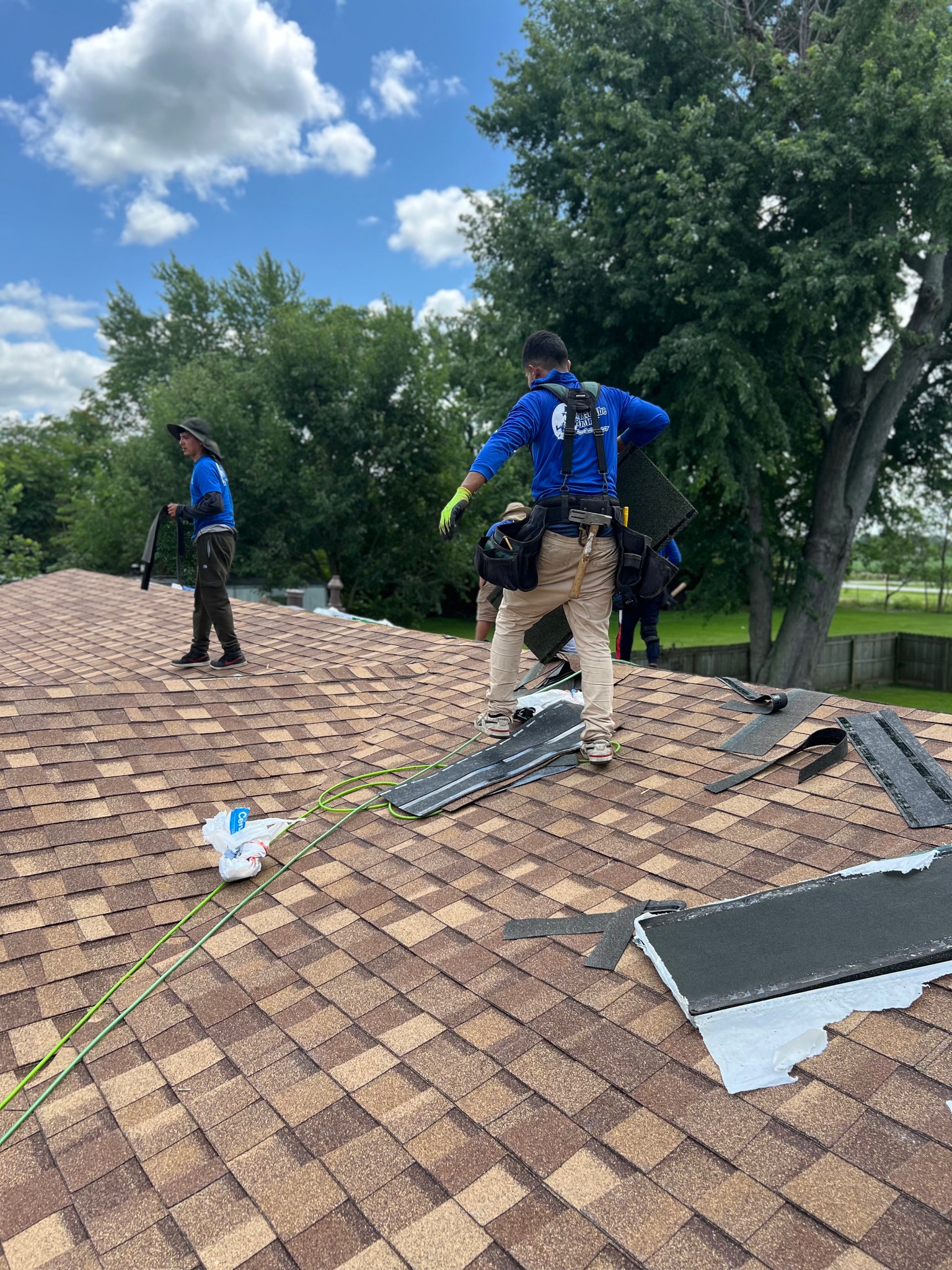
Roof Repairs vs. Roof Replacements: How to Know Which You Need
Your roof is one of your home’s first lines of defense against the elements. Whether you’re dealing with a leak, missing shingles, or storm damage, you’re likely asking the big question: Should I repair the roof or replace it entirely?
The answer depends on several factors, including the age of your roof, the extent of the damage, and your long-term goals. Let’s break it down so you can make the most informed (and cost-effective) decision.
When Roof Repairs Make Sense
1. Minor or Isolated Damage
If the issue is limited to a small section—such as a few missing shingles or a minor leak—repairing it can be a quick, affordable fix. This is especially true if the rest of your roof is still in good shape.
2. Recent Installation
If your roof is less than 10–15 years old and generally in good condition, repairs are usually the smarter route. Modern roofing materials are built to last, and a good patch can extend the life of your roof by years.
3. Budget Constraints
Let’s be honest—replacing a roof is a big expense. If your budget is tight and the issue isn’t severe, repairing the damage now can buy you some time to plan and save for a future replacement.
4. Storm or Wind Damage
Sometimes, a storm will damage just one section of the roof. In such cases, your homeowner’s insurance might even cover the repairs, making them much more manageable than a full replacement.
When It’s Time to Replace the Roof
1. Widespread or Repeated Damage
If you’re frequently calling in for roof repairs, the costs can quickly add up. Constant problems are a sign that the roof’s integrity is compromised—and replacing it might be more cost-effective in the long run.
2. Advanced Age
Most asphalt shingle roofs last 20–25 years. If your roof is approaching or has exceeded its lifespan, it's usually better to replace it, even if the current damage is relatively minor. An aging roof is more vulnerable to leaks, mold, and structural damage.
3. Structural Issues
Water damage that has penetrated the decking or framing below your shingles is a major concern. At this point, patching over the surface won’t help—you’ll need a full replacement to prevent ongoing issues and further deterioration.
4. Energy Efficiency Goals
Older roofs may lack proper insulation or reflectivity, leading to higher energy bills. A new, energy-efficient roofing system can help lower cooling costs and even qualify for energy-related tax credits or rebates.
5. Planning to Sell
A new roof can significantly boost curb appeal and property value. If you’re considering selling your home in the next few years, a replacement could be a strategic investment that makes your property more attractive to buyers.
Key Questions to Ask
- How old is your roof?
- How extensive is the damage?
- How often have you needed repairs?
- What’s your budget?
- Are you planning to stay in your home long-term?
Final Thoughts
There’s no one-size-fits-all answer when it comes to roof repair versus replacement. But understanding the condition of your roof, along with your long-term goals, can help you make the best choice. If you're unsure, a professional roof inspection can provide a clear assessment and outline your options.
Remember, delaying necessary repairs or replacement can lead to more costly damage down the line. Being proactive about your roof’s health will save you stress, time, and money in the long run.
Need help deciding? Contact Honest Abe Roofing for a free assessment—they’ll guide you toward the smartest solution for your home and budget.
