How Tree Branches Can Damage Your Roof Over Time
How Tree Branches Can Damage Your Roof Over Time
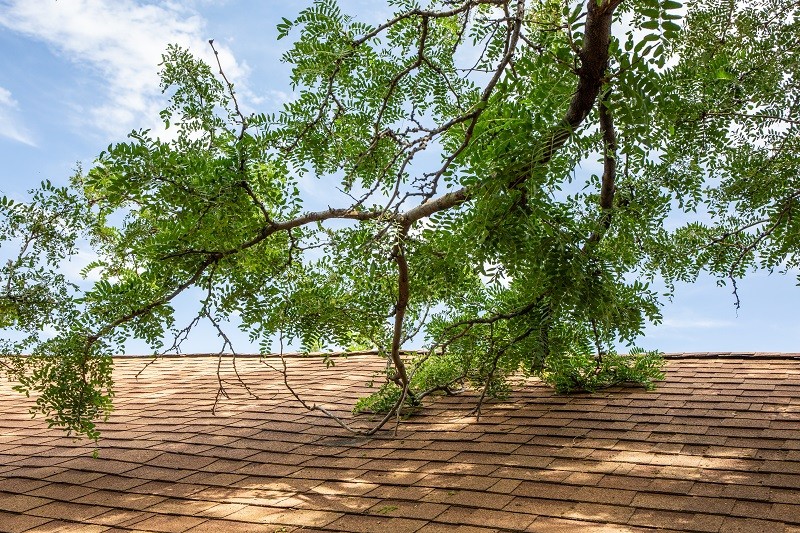
How Tree Branches Can Damage Your Roof Over Time
Tree branches can be a serious threat to your roof. Many homeowners in Indianapolis don't realize how much damage overhanging branches can cause to their roofs over time. The weather in Indianapolis, with its seasonal storms, strong winds, and fluctuating temperatures, makes it even more important to be aware of the risks when trees are too close to your home.
It's crucial to understand how tree branches can harm your roof in order to protect your investment. Branches don't just fall and create obvious holes. They can also scrape against shingles during windy storms, trap moisture that leads to harmful organisms, and provide entry points for unwanted animals. Each season brings its own set of risks that can worsen existing weaknesses in your roofing materials.
This guide will explore the specific ways tree branches can damage roofs in the Indianapolis area. You will learn about:
- How tree branches physically affect different types of roofs
- The moisture-related issues that occur in shaded areas of the roof
- How debris from trees can block drainage systems
- The impact of seasonal weather on tree-related risks
- Immediate maintenance actions you can take to prevent further damage
If you're concerned about potential damage caused by trees, it's wise to consult with professional roofing contractors in Indianapolis. These experts specialize in identifying and fixing problems caused by trees on roofs. They have knowledge of local tree species, weather patterns, and building codes that influence roof repair projects.
Don't wait until small issues turn into costly structural problems—take action now!
1. Physical Damage Caused by Tree Branches
Overhanging branches act as abrasive tools during windy conditions. Each gust forces limbs to scrape across roofing surfaces, wearing away protective granules and compromising material integrity. This constant friction creates weak points that accelerate deterioration. The damage compounds with every storm, turning minor surface scratches into significant vulnerabilities requiring roofing repair Indianapolis services.
Impact on Common Roofing Materials
Asphalt Shingles
- Granule loss exposes the underlying asphalt layer to UV radiation
- Scraped areas become entry points for water infiltration
- Damaged shingles crack more easily during temperature fluctuations
- Compromised adhesive strips allow wind to lift and tear shingles
Concrete Tiles
- Surface abrasion weakens the protective sealant coating
- Repeated impacts can chip or crack tile edges
- Damaged tiles lose their interlocking capability
- Water penetrates through compromised areas, reaching the underlayment
The distinction matters when selecting roofers Indianapolis Indiana for repairs. Each material demands specific expertise and replacement techniques.
Falling Limb Hazards
Dead or weakened branches pose immediate threats. A single falling limb can:
- Puncture through multiple roofing layers in seconds
- Shatter tiles or tear away entire shingle sections
- Damage flashing around chimneys and vents
- Compromise roof deck structural integrity
- Create immediate leak pathways into living spaces
Storm-damaged branches become projectiles during severe weather. The weight and velocity of falling wood can penetrate even the most robust roofing systems. Best roofing contractors Indianapolis recognize these patterns and assess branch stability during routine inspections.
Branch diameter determines impact severity. Limbs exceeding three inches in diameter carry enough mass to cause catastrophic damage. Smaller branches create cumulative wear through repeated contact. Both scenarios demand attention. Ignoring overhead hazards transforms preventable maintenance into emergency repairs.
2. Moisture Retention and Organic Growth Due to Trees
Large trees create dense canopies that block sunlight from reaching your roof surface. This shade prevents proper drying after rain or morning dew. Water sits on shingles for extended periods, creating ideal conditions for biological growth. Residential roofing Indianapolis properties face particular vulnerability during humid summer months when moisture combines with warm temperatures.
Moss establishes itself first in these perpetually damp areas. The organism spreads across asphalt shingles, working its root-like structures beneath the surface layers. This penetration lifts shingle edges and compromises the protective granule coating. Algae follows, appearing as dark streaks that many homeowners mistake for dirt or age-related staining. The black discoloration actually represents cyanobacteria colonies feeding on limestone filler in roofing materials.
Lichen presents the most aggressive threat. This symbiotic combination of fungus and algae attaches firmly to roof surfaces, creating a biological anchor that's difficult to remove. The organism's growth pattern physically separates shingle layers, breaking the waterproof seals between overlapping sections.
The Deterioration Process
Indianapolis residential roofing systems experience accelerated aging when these organisms establish colonies:
- Granule Loss: Moss and lichen growth strips away protective granules, exposing the asphalt base to UV damage
- Seal Failure: Organic growth forces shingles apart, allowing water infiltration beneath the surface
- Material Breakdown: Constant moisture exposure softens asphalt compounds, reducing structural integrity
- Ice Dam Formation: Retained moisture freezes during winter, creating expansion pressure that cracks shingles
The damage compounds over time. A small moss patch expands into a widespread infestation within two to three seasons. Roofing companies Indianapolis Indiana professionals report that heavily shaded roofs require replacement five to seven years earlier than those receiving adequate sunlight. The moisture trapped by tree cover doesn't just support organic growth—it actively degrades the chemical bonds holding roofing materials together.
3. Debris Accumulation and Its Impact on Roofs and Gutters
Leaves, twigs, pine needles, and seed pods constantly fall from overhanging branches. This organic material settles on roof surfaces and migrates into gutters. The accumulation happens gradually but creates serious drainage problems. A single mature tree can shed hundreds of pounds of debris annually, with much of it landing directly on your roof.
How Clogged Gutters Affect Your Home
Gutters clogged with tree debris block water flow completely. Rainwater has nowhere to go except backward. The water pools along roof edges, seeping under shingles and penetrating the roof deck. This standing water saturates wood structures, initiating rot that spreads through fascia boards, soffits, and roof decking. The damage remains hidden until significant deterioration occurs.
Critical consequences of debris-clogged gutters include:
- Water infiltration through roof-to-wall intersections
- Ice dam formation during Indianapolis winters when trapped water freezes
- Foundation damage from overflow cascading down exterior walls
- Pest infestations in decomposing organic matter
Hazards of Debris Accumulation on Commercial Roofs
Debris piles on flat or low-slope commercial roofing Indianapolis installations create additional hazards. The weight of wet leaves and branches stresses roof membranes. Decomposing organic matter produces acids that break down roofing materials. Dark, damp debris piles become breeding grounds for insects and provide nesting material for birds.
Importance of Regular Gutter Cleaning
Regular gutter cleaning Indianapolis services remove accumulated debris before drainage systems fail. Professionals identify problem areas where debris collects most heavily. They inspect downspouts for blockages that prevent water from exiting the system entirely.
When to Seek Gutter Repair Services
Indianapolis gutter repair becomes necessary when debris accumulation causes physical damage. Gutters sag under the weight of wet leaves and standing water. Fasteners pull away from fascia boards. Seams separate, creating gaps where water escapes.
Addressing How Tree Branches Can Damage Your Indianapolis Roof Over Time requires consistent debris removal and prompt repair of compromised drainage systems.
Tips for Maintaining Gutter Health
Check gutters monthly during peak leaf-fall seasons. Remove visible debris from roof valleys where material concentrates. Clear downspout openings to maintain water flow.
4. Seasonal Weather Effects Amplifying Tree-Related Roof Damage Risks
Indianapolis experiences distinct seasonal changes that transform trees from passive neighbors into active threats to roof integrity. Each season brings specific challenges that compound the damage potential of nearby trees.
Spring and Summer Growth Patterns
Rapid leaf development during spring creates dense canopies that block sunlight from reaching roof surfaces. This extended shade prevents proper drying after rain events, keeping shingles perpetually damp. The constant moisture exposure weakens adhesive bonds between roofing layers and accelerates material degradation. Commercial roofing companies Indianapolis regularly document how shaded sections of roofs deteriorate 30-40% faster than sun-exposed areas.
Summer storms bring intense winds that whip branches against roof surfaces. Each contact event strips away protective granules from asphalt shingles or scratches metal roofing panels. The cumulative effect of hundreds of these minor impacts throughout the season creates significant wear patterns that compromise waterproofing capabilities.
Autumn Leaf Accumulation
Fall presents the most concentrated period of debris deposition. Trees shed thousands of leaves within weeks, overwhelming even well-maintained gutter systems. These leaves form dense mats on roof surfaces that trap moisture against shingles for extended periods. The wet organic matter creates perfect conditions for accelerated deterioration.
Best roofers in Indianapolis identify autumn debris as a primary cause of premature roof replacement needs in tree-dense neighborhoods.
Winter Branch Failures
Cold temperatures make tree branches brittle and susceptible to breaking under ice load or wind stress. A single winter storm can drop multiple limbs onto your roof, puncturing membranes or cracking tiles. Ice accumulation adds weight to already stressed branches, increasing the likelihood of catastrophic failure.
Any Indy roofing company will confirm that emergency repair calls spike during winter months when frozen branches snap without warning. These sudden impacts cause immediate damage requiring urgent professional intervention to prevent water intrusion into your home's interior spaces.
5. Tree Branches Allow Animals to Enter
Tree branches act as pathways for animals looking for a place to hide in your house. Squirrels, raccoons, and rodents use these overhanging branches as bridges to reach your roof. When these branches are close to your home, they remove the natural barrier between trees and your roofing system, making your attic an appealing nesting area.
Common Entry Points Created by Tree Access:
- Gaps around roof vents and chimneys
- Loose or damaged soffit panels
- Weakened fascia boards near branch contact points
- Compromised ridge vents
Once animals make themselves at home, they can cause significant damage. Squirrels chew through wood, electrical wires, and insulation. Raccoons rip apart roofing materials to make their entry holes bigger. Their nesting activities compress insulation, leading to energy inefficiency and moisture issues.
The damage goes beyond just the entry point. Animals create paths in your attic, harming structural supports and leaving behind droppings that attract insects and encourage mold growth. While metal roofing installations offer better protection against animal entry, overhanging branches still give unwanted access to vulnerable areas like vents and edges.
During inspections, roofing professionals can spot animal damage by looking for signs such as scratch marks, droppings, and chewed materials. Experts recommend keeping a minimum six-foot distance between branches and roof surfaces to eliminate these access points. Regular inspections help catch early signs of animal activity before extensive damage happens, safeguarding both your roof structure and interior spaces from wildlife invasion.
6. Regional Climate Considerations for Roof Maintenance in Indianapolis
Indianapolis has a humid continental climate, which means the weather can vary greatly throughout the year. This climate directly affects how tree branches can damage your Indianapolis roof over time. Homeowners in this region face unique challenges due to the distinct four seasons, and roofing Indianapolis professionals need to pay special attention to these factors.
How Temperature Changes Impact Trees and Roofs
The temperature changes between seasons have an impact on how trees grow. Here's what happens:
- Spring: During spring, trees experience rapid growth. This means that branches extend quickly and may push closer to your roof.
- Summer: In summer, humidity levels rise, leading to thick foliage on trees. This foliage can trap moisture against your roofing materials, potentially causing damage.
- Fall: As fall approaches, leaves start to fall off trees. It's important to clean gutters regularly during this time to prevent clogs caused by fallen leaves.
- Winter: Winter brings cold temperatures and potential ice storms. Ice can accumulate on branches, putting pressure on your roof or causing limbs to break.
The Importance of Local Knowledge for Roofing Experts
To effectively maintain roofs in Indianapolis, it's crucial for residential roofing Indianapolis experts to understand these local environmental factors:
- Annual Precipitation: The area receives around 42 inches of rain each year, spread out over different months. This consistent moisture exposure allows trees near homes to grow actively for longer periods.
- Growth Patterns: Different tree species have specific growth patterns that affect how close their branches can get to roofs. Local contractors should be familiar with these patterns when recommending maintenance practices.
Seasonal Maintenance Strategies
The best roofing companies in Indianapolis know about these climate-specific patterns and plan their maintenance accordingly:
- Trimming Before Spring Growth: To prevent branches from encroaching on roofs during springtime, it's beneficial to trim trees before this season begins.
- Inspecting After Winter Storms: Winter storms can cause damage to both trees and roofs. Scheduling inspections after such events helps identify any issues early on.
Recommended Clearance Distances
When advising homeowners about maintaining distance between trees and roofs, local contractors consider weather data specific to Indianapolis:
- For most tree species with moderate growth rates, a separation of 6-10 feet is typically suggested.
- However, fast-growing species may require larger clearances (e.g., up to 15 feet) depending on their potential height at maturity.
By taking these regional climate considerations into account during roof maintenance planning processes, homeowners can better protect their properties from tree-related damages over time.
7. Preventive Measures to Protect Your Roof From Tree Damage
Take immediate action to establish a routine inspection schedule. Walk your property every three months to assess tree proximity to your roof structure. Look for branches extending within six feet of your roofline—these pose the highest risk during storms and high winds.
Essential Inspection Checklist:
- Measure the distance between branch tips and roof surface
- Check for branches directly overhanging the roof
- Identify dead or diseased limbs that could break unexpectedly
- Note areas where leaves accumulate heavily
- Examine spots where branches scrape against roofing materials
Hire professionals to conduct annual roof assessments focused on tree-related vulnerabilities. These experts can spot early warning signs invisible to untrained eyes, including subtle shingle damage from branch abrasion or moisture retention in shaded areas.
Maintain a minimum clearance of 10 feet between tree branches and your roof surface. This distance prevents physical contact during wind events and reduces shade that promotes moisture buildup. Contact certified arborists to trim branches properly—incorrect cutting techniques can weaken trees and create more hazards. For effective trimming, follow professional standards such as using the proper three-cut method to prevent bark tearing, trimming during dormant seasons to minimize tree stress, creating clean cuts at branch collars for optimal healing, avoiding topping trees which produces weak regrowth, and documenting trimming dates for maintenance records.
Partner with teams for properties with extensive tree coverage. These specialists understand the unique challenges posed by large canopies and can recommend strategic tree management plans that protect your investment without sacrificing landscaping aesthetics.
Schedule professional gutter cleaning at least twice yearly—spring and fall present critical maintenance windows. An Indy roofing company can combine gutter service with comprehensive roof inspections, identifying potential problems before they escalate into expensive repairs. To minimize debris accumulation between professional cleanings, consider installing gutter guards.
8. Identifying Signs of Tree-Induced Roof Damage
Inspect your roof regularly for these critical warning signs:
Visible Surface Damage
- Missing, cracked, or curled shingles near tree canopies
- Scratches or abrasion marks running across roofing materials
- Dents or punctures in metal flashing
- Granule loss on asphalt shingles, exposing the underlying mat
Moisture-Related Issues
- Dark streaks or discoloration indicating algae or moss growth
- Soft or spongy spots when walking on the roof deck
- Water stains on interior ceilings or walls beneath tree-shaded areas
- Peeling paint or warped wood in attic spaces
Structural Concerns
- Sagging roof sections where branches rest or have fallen
- Damaged or displaced ridge caps
- Broken or missing tiles in specific zones
- Visible gaps between roofing materials and flashing
Gutter and Drainage Problems
- Excessive debris buildup preventing water flow
- Gutters pulling away from the roofline
- Standing water on flat or low-slope sections
- Ice dams forming during winter months
Contact roofing repair Indianapolis specialists immediately when you spot these indicators. The best roofers in Indianapolis can assess damage severity and recommend appropriate solutions. Commercial roofing companies Indianapolis offer comprehensive inspection services that identify hidden issues before they escalate into expensive structural repairs. Document all visible damage with photographs for insurance claims and contractor consultations.
9. Choosing the Right Roofing Contractors in Indianapolis for Tree-Damage Repairs
Select contractors who demonstrate proven expertise in addressing tree-related roof damage. Request detailed documentation of previous projects involving branch impact repairs, moisture damage restoration, and structural assessments following limb falls. The best roofing contractors Indiana offers maintain portfolios showcasing their work with various damage scenarios.
Verify licensing credentials and insurance coverage before engaging any service provider. Roofing companies in Indianapolis Indiana must hold current state licenses and carry comprehensive liability insurance to protect homeowners from potential complications during repairs. Ask for references from clients who experienced similar tree-damage situations.
Match contractor specialization to your specific roofing material and property type. Specialists in metal roofing Indianapolis possess different skill sets than those working primarily with asphalt shingles. Property owners requiring commercial roofing contractors Indianapolis should prioritize firms with documented experience handling larger-scale tree damage on business structures.
Evaluate contractor familiarity with Indianapolis climate patterns and local tree species. Professionals who understand how regional weather conditions interact with native trees provide more accurate assessments and durable repair solutions. Request detailed inspection reports that identify not just visible damage but potential vulnerabilities created by nearby vegetation.
Compare multiple estimates that break down labor costs, material specifications, and warranty terms. Transparent pricing structures indicate reputable contractors who stand behind their work addressing How Tree Branches Can Damage Your Indianapolis Roof Over Time.
Conclusion
Understanding how tree branches can damage your roof over time empowers you to take decisive action. Small problems escalate quickly—a minor scrape becomes a leak, trapped moisture transforms into structural rot, and clogged gutters lead to expensive water damage throughout your home.
Act now. Don't wait for visible damage to appear on your ceiling or walls. The best roofing companies in Indianapolis recommend annual inspections, especially if trees grow within 10 feet of your roofline. These professionals identify vulnerabilities before they compromise your roof's integrity.
How tree branches can damage your Indianapolis roof over time depends on multiple factors: tree species, proximity, seasonal weather patterns, and maintenance frequency. Each property faces unique risks that require customized solutions from experienced contractors who understand local conditions.
Schedule a comprehensive roof inspection with a trusted Indy roofing company today. Qualified contractors will:
- Assess current tree-related damage
- Identify potential risk areas
- Recommend specific trimming requirements
- Provide repair estimates for existing issues
- Develop a maintenance schedule tailored to your property
Your roof represents a significant investment in your property's value and your family's safety. Protect that investment through proactive maintenance and professional guidance. Contact licensed roofing specialists in Indianapolis now for a thorough evaluation—before the next storm brings down that overhanging branch you've been ignoring.
FAQs (Frequently Asked Questions)
How can tree branches physically damage my roof in Indianapolis?
Overhanging tree branches can scrape and abrade roofing materials during windy conditions, leading to premature wear and tear. Falling limbs may puncture roof membranes, causing leaks or structural problems. Different roofing materials like asphalt shingles and concrete tiles are affected uniquely by these physical impacts.
What role does moisture retention from trees play in roof damage?
Large trees create shaded areas that trap moisture on roofs, fostering the growth of moss, algae, and lichen. These organisms can lift shingles or tiles, break seals, and accelerate the deterioration of roofing materials, particularly in the humid Indianapolis climate.
How does debris from trees affect my roof and gutters?
Leaves, twigs, and organic debris accumulate on roofs and in gutters, blocking proper drainage. Clogged gutters can cause water backup under the roof deck, leading to rot, leaks, or mold growth. Regular gutter cleaning is essential to prevent these issues.
What seasonal weather effects in Indianapolis amplify tree-related roof damage risks?
Seasonal factors such as leaf growth blocking sunlight in spring and summer or autumn leaves clogging gutters increase roof damage risks. Winter winds often break branches that may fall onto roofs causing sudden damage. These seasonal changes necessitate proactive maintenance.
How do tree branches facilitate animal intrusion on roofs?
Tree branches provide access points for animals like squirrels and raccoons to enter roofs and attics. These animals can cause damage through nesting activities or chewing on structural components, compromising roof integrity.
What preventive measures can I take to protect my Indianapolis roof from tree damage?
Homeowners should conduct regular inspections focusing on tree proximity and branch condition near the roof. Professional trimming maintains safe clearance between trees and roof surfaces. Engaging experienced Indianapolis roofing contractors ensures effective preventive care tailored to local environmental factors.
