How Indianapolis Weather Affects Your Roof
How Indianapolis Weather Affects Your Roof
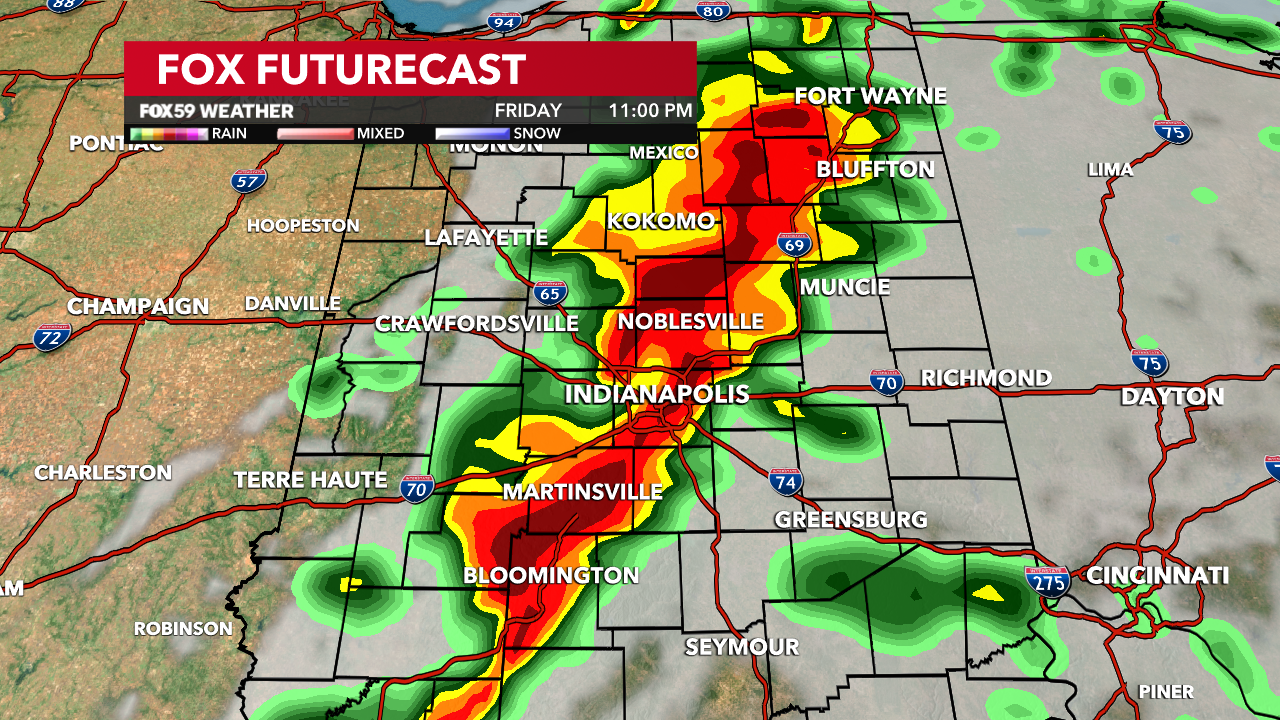
How Indianapolis Weather Affects Your Roof
Indianapolis homeowners face a unique set of weather challenges that directly impact their roofing systems. The city's continental climate delivers extreme temperature swings, intense summer heat, bitter winter cold, and unpredictable storm patterns that test every roofing material to its limits.
The Impact of Temperature on Your Roof
Your roof endures temperatures ranging from sub-zero winter nights to scorching 90°F summer days. This constant thermal cycling causes materials to expand and contract repeatedly, creating stress fractures and premature aging.
The Effects of Storms and Snow on Roof Deterioration
Add frequent thunderstorms, hail events, and heavy snow loads, and you have a recipe for accelerated roof deterioration.
Understanding how Indianapolis weather affects your roof determines the success of your roofing investment. The wrong materials or inadequate maintenance practices lead to costly repairs, water damage, and shortened roof lifespan. Smart homeowners recognize these climate-specific challenges and plan accordingly.
Common Weather-Related Damage Patterns
Local roofing contractors in Indianapolis professionals see the same weather-related damage patterns year after year:
- Ice dams destroy gutters.
- UV radiation bakes asphalt shingles.
- Wind storms lift metal panels.
- Humidity breeds moss growth that traps moisture against roof surfaces.
Making Informed Decisions for Your Roofing Investment
Knowledge of these weather impacts guides your decisions on:
- Material selection for maximum durability
- Maintenance schedules that prevent problems
- Contractor selection based on local climate expertise
The right approach protects your home and maximizes your roofing investment against Indianapolis' demanding weather conditions.
Understanding the Seasonal Weather Patterns in Indianapolis
Indianapolis experiences four distinct seasons that create unique challenges for Indianapolis IN roofing systems. Each season brings specific conditions that test roof durability and performance.
Summer: Intense Heat and Storm Activity
Summer temperatures regularly exceed 85°F, with heat indexes climbing above 100°F. This intense heat causes roofing materials to expand during the day and contract at night. Asphalt shingles become soft and pliable under extreme heat, making them vulnerable to damage from foot traffic or debris. UV radiation bombards roof surfaces for up to 15 hours daily, accelerating material degradation.
Severe thunderstorms arrive with little warning, bringing:
- Wind gusts exceeding 60 mph
- Hail ranging from pea-sized to golf ball diameter
- Heavy rainfall rates of 2-3 inches per hour
Winter: Freezing Temperatures and Snow Load
Winter brings temperatures that plummet below 20°F for extended periods. Snow accumulation averages 25 inches annually, creating significant weight on roof structures. The freeze-thaw cycle becomes particularly destructive when temperatures fluctuate around 32°F, causing ice formation in roof cracks and gutters.
Spring and Fall: Rapid Temperature Swings
These transitional seasons produce dramatic temperature changes within 24-hour periods. A 40-degree temperature drop can occur overnight, causing materials to contract rapidly and potentially crack existing weak points.
Climate Change Impact on Weather Extremes
Recent weather patterns show intensifying extremes affecting weather impact on roofs Indianapolis:
- Increased storm frequency: 15% more severe weather events compared to historical averages
- Higher peak temperatures: Summer heat waves lasting longer with temperatures reaching record highs
- Unpredictable precipitation: Drought periods followed by intense rainfall events
These evolving patterns require homeowners to reassess their roofing strategies. Traditional materials and maintenance schedules may no longer provide adequate protection against these intensified weather conditions.
For instance, understanding how long your roof will last under such diverse climatic conditions is crucial. A comprehensive guide detailing this aspect can be found here.
Summer Weather Effects on Roofs in Indianapolis
Indianapolis summers deliver intense heat that creates significant challenges for residential roofing systems. Temperatures regularly climb above 85°F, with heat indexes reaching dangerous levels that put tremendous stress on roofing materials.
Thermal Expansion and Contraction Damage
Asphalt shingles expand and contract repeatedly during hot summer days and cooler nights. This constant movement creates microscopic stress fractures that develop into visible cracks over time. Shingles begin warping at the edges, creating gaps where water can penetrate. Metal roofing components experience similar expansion, causing fasteners to loosen and seams to separate.
The temperature differential between day and night can exceed 30°F during summer months. This extreme fluctuation accelerates material fatigue, requiring homeowners to contact roofing companies Indianapolis Indiana specialists for early intervention.
UV Radiation Deterioration
Direct sunlight bombards roofing materials with harmful ultraviolet rays for up to 15 hours daily during peak summer. UV exposure breaks down the petroleum-based compounds in asphalt shingles, causing them to become brittle and lose protective granules.
Blistering occurs when trapped moisture beneath shingles heats up and creates pressure bubbles. These blisters eventually rupture, exposing the underlying material to further damage. Roof surfaces facing south and west receive the most intense UV exposure, showing accelerated aging patterns.
Summer Storm Damage
Indianapolis experiences sudden, violent thunderstorms with wind speeds exceeding 60 mph. These storms generate enough force to lift properly installed shingles, especially those already weakened by thermal stress or UV damage.
Compromised gutters represent another critical concern during summer storms. Heavy rainfall overwhelms inadequate drainage systems, causing water to back up under roofing materials. Wind-driven debris impacts roof surfaces, creating punctures and dislodging protective elements.
Homeowners requiring immediate roofing repair Indianapolis services often discover damage after severe summer weather events. Regular inspections help identify vulnerable areas before storms strike.
Winter Weather Challenges for Roofs in Indianapolis
Indianapolis winters deliver harsh conditions that test every residential roofing system. Temperatures plummet below freezing for extended periods, creating a hostile environment where roofing materials face their greatest challenges.
Ice Dam Formation: A Silent Destroyer
Ice dams form when heat escapes from poorly insulated attics, warming roof surfaces above freezing while gutters remain frozen. Snow melts on the warmer upper sections, flows downward, then refreezes at the colder eaves. This creates a dam that traps subsequent melt water.
The trapped water has nowhere to go except backward under shingles, causing:
- Water infiltration into attic spaces
- Ceiling stains and interior damage
- Insulation saturation reducing energy efficiency
- Structural wood rot in severe cases
Heat loss patterns vary across different roof sections. South-facing slopes receive more solar heating, accelerating the melt-refreeze cycle. North-facing sections remain consistently cold, creating perfect conditions for ice accumulation.
Snow Load Stress: Testing Structural Limits
Accumulated snow weight poses serious structural risks. Fresh powder weighs approximately 7 pounds per cubic foot, while wet, packed snow reaches 20 pounds per cubic foot. Ice adds 57 pounds per cubic foot to the load calculation.
Standard residential roofing systems handle 20-30 pounds per square foot safely. Heavy snow events can exceed these limits rapidly. Signs of excessive snow load include:
- Sagging roof lines
- Interior wall cracks
- Doors and windows sticking
- Creaking sounds from the structure
How Indianapolis Weather Affects Your Roof becomes most apparent during winter months when inadequate design meets extreme conditions. Proper roof pitch, reinforced trusses, and quality materials separate surviving systems from failing ones.
Any Indy roofing company worth hiring understands these winter dynamics. They design systems accounting for local snow loads, install proper ventilation to prevent ice dams, and select materials capable of withstanding freeze-thaw cycles without deterioration.
Rainstorms and Wind Impact on Roofing Systems in Indianapolis
Indianapolis experiences intense rainstorms that test every roofing system's limits. Heavy rainfall creates immediate threats when water finds entry points through damaged shingles, deteriorated flashing, or compromised seals around vents and chimneys. These vulnerabilities, often caused by various factors, allow moisture to penetrate the roof deck, leading to structural damage, insulation degradation, and interior water damage.
Wind damage compounds rainfall risks significantly. Storm winds exceeding 60 mph can lift shingle edges, creating pathways for water infiltration. Loose or missing shingles expose the underlying materials to direct water contact. Wind-driven rain forces moisture into areas that normally remain protected during calm weather conditions.
Critical Leak Prevention Strategies
Immediate post-storm inspections identify damage before minor issues escalate into major problems. Check for:
- Missing or displaced shingles
- Damaged gutters and downspouts
- Debris accumulation in valleys
- Compromised flashing around penetrations
Gutter maintenance prevents water backup disasters. Clogged gutters force water to overflow, saturating fascia boards and creating ice dam conditions during temperature drops. Signs of clogged gutters include overflowing water, sagging gutters, and visible debris. Indianapolis gutter repair services recommend cleaning gutters twice annually and after severe storms.
Professional commercial roofing contractors Indianapolis emphasize the importance of immediate temporary repairs following storm damage. Tarping exposed areas prevents additional water intrusion while permanent repairs are scheduled.
Professional Assessment Requirements
Indy roofing professionals use specialized equipment to detect hidden moisture damage that homeowners cannot identify. Thermal imaging reveals water infiltration patterns invisible to visual inspection. Moisture meters quantify saturation levels in roofing materials and structural components.
Storm damage assessment requires expertise in identifying subtle signs of compromise. Granule loss, exposed nail heads, and micro-cracks in shingles may appear minor but create significant vulnerability during subsequent weather events as outlined in this HUD report on natural hazards. Professional evaluation ensures comprehensive damage documentation for insurance claims and repair prioritization.
Humidity and Moisture Effects: Dealing with Moss and Algae Growth on Roofs
Indianapolis summers create perfect breeding conditions for moss and algae on residential roofs. High humidity levels combined with temperatures reaching 85°F or higher provide the moisture these organisms need to thrive. Algae appears as dark streaks or stains, while moss forms thick, spongy patches that trap water against roofing materials.
The Growth Process and Damage Cycle
Moss and algae establish themselves in shaded areas where moisture lingers longest. North-facing roof sections and areas beneath overhanging trees become prime targets. These organisms feed on organic debris like leaves, pollen, and dust that accumulate in roof valleys and along shingle edges.
The real danger begins when moss retains moisture for extended periods. This constant dampness accelerates shingle deterioration, causing granule loss and premature aging. Algae creates similar problems by forming a protective layer that holds water against the roof surface, leading to:
- Granule displacement on asphalt shingles
- Wood rot in underlying decking materials
- Compromised waterproofing membranes
- Increased cooling costs due to reduced reflectivity
Proven Prevention Strategies
Tree trimming eliminates the shade and organic debris that fuel growth. Remove branches within six feet of your roof surface to increase sunlight exposure and airflow. Regular debris removal from gutters and roof surfaces cuts off the food supply these organisms depend on.
Zinc and Copper Strip Installation
Installing zinc or copper strips along roof ridges provides long-term protection. Rain carries microscopic particles from these metals down the roof surface, creating an environment hostile to moss and algae growth. The best roofers in Indianapolis recommend 2-4 inch strips positioned just below the ridge line for maximum coverage.
Professional gutter replacement Indianapolis services often include moss prevention assessments. Properly functioning gutters prevent water backup that creates ideal growing conditions for these destructive organisms.
Choosing Durable Roofing Materials That Can Withstand the Indiana Climate Extremes
Indianapolis homeowners face unique challenges when selecting roofing materials. The city's extreme temperature swings demand materials that can handle both scorching summer heat and bitter winter cold without compromising structural integrity.
Temperature-Resistant Materials
Temperature-resistant materials form the foundation of a durable roofing system. Asphalt shingles with enhanced polymer modifiers resist cracking during freeze-thaw cycles. These advanced formulations maintain flexibility at low temperatures while preventing thermal shock damage. Clay and concrete tiles excel in temperature stability, expanding and contracting minimally compared to standard materials.
UV Protection
UV protection becomes critical during Indianapolis summers when roof surface temperatures exceed 150°F. Premium shingles feature reflective granules that deflect harmful radiation. These specialized coatings prevent accelerated aging, color fading, and material brittleness that plague standard roofing products.
Metal Roofing Indianapolis: Superior Weather Resistance
Metal roofing Indianapolis installations demonstrate exceptional durability against local climate extremes. Steel and aluminum systems withstand temperature fluctuations without warping or cracking. The thermal expansion coefficient of metal allows controlled movement that prevents stress fractures.
Key advantages of metal roofing include:
- Wind resistance up to 140 mph, crucial for severe storm protection
- Snow load capacity that prevents structural damage during heavy accumulation
- Reflective properties reducing cooling costs by 10-25%
- Longevity spanning 40-70 years with minimal maintenance
Copper and zinc options provide natural antimicrobial properties that resist moss and algae growth. These premium metals develop protective patinas that enhance weather resistance over time.
Best roofing companies in Indianapolis recommend impact-resistant materials for hail protection. Class 4 impact ratings indicate materials tested to withstand 2-inch hailstones without damage. Steel roofing with stone-coated finishes combines durability with aesthetic appeal while meeting strict performance standards.
Proper material selection directly influences How Indianapolis Weather Affects Your Roof performance and longevity.
Importance of Proper Attic Ventilation, Insulation, and Routine Maintenance Practices for Long-Lasting Roofs in Indiana
The Role of Attic Ventilation
Attic ventilation serves as your roof's first line of defense against Indianapolis' extreme temperature swings. Proper airflow reduces roof surface temperatures by up to 30 degrees during scorching summer months, preventing thermal stress that leads to shingle deterioration and warping. Ridge vents paired with soffit vents create continuous air circulation that expels hot air while drawing in cooler air from the eaves.
Winter conditions demand equally effective ventilation strategies. Cold air intake through soffit vents maintains consistent attic temperatures, preventing the warm-cold cycles that create ice dams. When heated indoor air escapes into the attic, it melts snow on the roof surface. This water refreezes at the gutters, forming dangerous ice barriers that force water under shingles.
Critical Insulation Techniques
R-38 to R-60 insulation values work best for Indiana's climate zone. Blown-in cellulose or fiberglass batts installed between ceiling joists create thermal barriers that keep conditioned air inside living spaces. Seal air leaks around recessed lights, exhaust fans, and attic access points before adding insulation. These gaps allow heated air to escape, reducing insulation effectiveness by 40%.
Vapor barriers installed on the warm side of insulation prevent moisture buildup that leads to mold growth and structural damage. Use plastic sheeting or kraft-faced insulation to create this moisture barrier.
Professional Inspection Schedule
Bi-annual roof inspections catch problems before they escalate into costly repairs. Schedule inspections in late spring and early fall to assess damage from winter storms and summer heat. Professional contractors experienced with residential roofing Indianapolis and commercial roofing Indianapolis projects identify loose shingles, damaged flashing, and clogged gutters that compromise roof integrity.
Spring inspections focus on ice dam damage, loose or missing shingles, and gutter alignment issues. Fall assessments prepare roofs for winter by checking ventilation systems, clearing debris, and securing vulnerable areas before snow loads arrive.
Selecting the Right Roofing Contractors Experienced with Indiana's Weather Challenges
Finding best roofing contractors Indianapolis requires careful evaluation of their experience with local climate conditions. Indianapolis weather demands contractors who understand the specific challenges posed by extreme temperature swings, heavy snow loads, and severe storm systems.
Essential Contractor Qualifications:
- Local Experience: Verify contractors have worked in Indianapolis for multiple years through various weather seasons
- Storm Response History: Check their track record handling emergency repairs after severe weather events
- Material Knowledge: Ensure they recommend products specifically rated for Indiana's temperature extremes
- Ice Dam Expertise: Confirm experience preventing and resolving winter ice dam issues
- Ventilation Specialists: Look for contractors who prioritize proper attic airflow systems
Verification Steps:
- Request references from recent Indianapolis-area projects
- Confirm proper licensing and insurance coverage
- Review Better Business Bureau ratings and local reviews
- Ask about warranty terms for both materials and labor
- Inquire about emergency service availability during storm seasons
Roofing companies in Indianapolis Indiana that excel understand thermal expansion coefficients, snow load calculations, and moisture management systems. They stock materials suited for local conditions and maintain relationships with suppliers who provide weather-appropriate products.
Experienced contractors recognize signs of weather-related damage that inexperienced roofers might miss. They implement preventive measures during installation that address Indianapolis-specific challenges, from proper flashing techniques for ice dam prevention to ventilation strategies that combat summer heat buildup.
Conclusion
The weather in Indianapolis poses constant challenges to your roof system. From the scorching heat of summer to the harsh ice dams of winter, your roof faces ongoing attacks from nature's extremes.
Take action now. Don't wait for visible damage to show up. The cost of preventive maintenance is much lower compared to emergency repairs during Indiana's severe weather seasons.
Work with local roofing professionals who understand how weather affects roofs in Indianapolis, IN. These contractors have seen firsthand the destruction caused by:
- Thermal expansion from summer temperatures over 90°F
- Ice dam formation during sub-zero winters
- Wind damage from severe thunderstorms
- Moisture infiltration leading to structural decay
Your roof's survival relies on proactive care. Schedule inspections twice a year with experienced Indianapolis roofers who can identify warning signs before catastrophic failure happens.
When you collaborate with knowledgeable professionals, how Indianapolis weather affects your roof becomes manageable. They implement weather-specific solutions tailored to Indiana's extreme climate.
Protect your investment. Get in touch with trusted local contractors today. Your roof's longevity depends on taking immediate action against Indianapolis' unforgiving weather patterns.
FAQs (Frequently Asked Questions)
How does Indianapolis' diverse climate affect roofing materials and maintenance?
Indianapolis experiences hot summers, cold winters, rainstorms, and humidity, all of which impact roofing systems. These weather challenges necessitate choosing durable materials, implementing proper maintenance practices, and hiring contractors familiar with local conditions to ensure roof longevity.
What are the effects of summer weather on roofs in Indianapolis?
High temperatures cause thermal expansion and contraction of shingles leading to cracks or warping. UV radiation accelerates aging and blistering of roofing materials. Additionally, summer storms with strong winds can lift or dislodge shingles and damage gutters, compromising roof integrity.
What winter challenges do roofs in Indianapolis face?
Winter brings ice dams due to attic heat loss and snow melt/refreeze cycles, causing water backups and leaks. Accumulated snow weight adds structural stress, highlighting the importance of proper roof design and material selection for durability during cold months.
How do rainstorms and wind impact roofing systems in Indianapolis?
Heavy rain can penetrate cracks or gaps in roofing materials leading to leaks. Strong winds may damage shingles and gutters. Preventive measures such as regular gutter cleaning and post-storm inspections are essential to mitigate water damage risks.
What strategies help control moss and algae growth on roofs caused by humidity in Indianapolis?
Humid summers promote moss and algae growth that retain moisture causing deterioration. Controlling growth involves tree trimming to reduce shade and installing zinc or copper strips on roofs to inhibit moss development, thereby prolonging roof lifespan.
Why is selecting experienced roofing contractors important for Indianapolis homeowners?
Local contractors with experience in Indiana's unique weather challenges understand how to choose suitable materials, design roofs for seasonal stresses, and perform maintenance tailored to local conditions. Hiring such professionals ensures quality workmanship and long-lasting roof performance.
