How to Identify and Prevent Roof Algae in Humid Indianapolis Summers
How to Identify and Prevent Roof Algae in Humid Indianapolis Summers
How to Identify and Prevent Roof Algae in Humid Indianapolis Summers
Roof algae poses a serious threat to Indianapolis properties during humid summer months. Dark streaks spreading across shingles signal more than cosmetic damage—they indicate active deterioration of your roofing system. The combination of high humidity and warm temperatures creates ideal conditions for algae growth, putting thousands of local roofs at risk.
Immediate action prevents costly repairs. Algae growth accelerates moisture retention beneath shingles, leading to granule loss and potential leaks. Left unchecked, these organisms compromise structural integrity and shorten your roof's lifespan by years.
Indianapolis homeowners and business owners face unique challenges during humid summers. Moisture-laden air settles on roof surfaces, providing the perfect breeding ground for blue-green algae colonies. Without proper identification and prevention strategies, your investment deteriorates rapidly.
This article delivers actionable solutions for roof algae that Indianapolis properties encounter regularly. You'll learn to:
- Recognize early warning signs of algae infestation
- Distinguish algae from moss and other roof contaminants
- Implement proven prevention techniques
- Select appropriate materials and maintenance schedules
Partner with experienced roofing contractors in Indianapolis to protect your property. Proper gutter replacement services and routine inspections form your first line of defense. Take control now—your roof's longevity depends on swift, informed action against algae growth.
Understanding Roof Algae: Causes and Characteristics
Gloeocapsa magma is the main cause of those unsightly dark streaks on roofs in Indianapolis. This blue-green algae thrives in specific conditions that are abundant during Indianapolis summers. It feeds on limestone filler commonly found in asphalt shingles, forming protective outer layers that appear as black or dark green stains.
The growth of roof algae is directly influenced by environmental factors. When humidity levels exceed 60% and temperatures range between 70-90°F, it creates the perfect environment for algae colonies to thrive. These exact conditions are experienced in Indianapolis throughout June, July, and August. Algae spores travel through the air and settle on roof surfaces where moisture collects. Once they establish themselves, the colonies spread quickly across the shingle surfaces.
Distinguishing Algae from Other Roof Contaminants
You can identify algae by looking for its characteristic vertical black streaks running down the slopes of your roof. These patterns are different from other common roof stains:
- Moss: Thick, raised green patches with visible texture
- Lichen: Crusty, leaf-like growths in various colors
- Tree droppings: Irregular brown or black splotches without uniform patterns
- Mold: Fuzzy white or gray patches in isolated areas
Damage Mechanisms
Algae colonies can damage your shingles in several ways:
- Moisture retention: The organisms hold moisture against the shingle surfaces, preventing them from drying properly.
- Granule loss: This constant dampness speeds up the loss of granules—the protective mineral coating that shields asphalt from UV damage.
- Deterioration of exposed asphalt: When the asphalt underneath is exposed due to granule loss, it deteriorates faster and becomes brittle.
- Thermal stress: The dark pigmentation of algae colonies absorbs more heat, raising the temperature of the roof surface by 10-15°F.
- Aging of roofing materials: This thermal stress causes premature aging of your roofing materials.
- Water infiltration: Water trapped beneath algae growth can seep into microscopic cracks and potentially penetrate the underlayment and decking.
Roofing companies in Indianapolis, Indiana often report leak damage caused by long-term algae colonization that homeowners ignored during the early stages.
Identifying Roof Algae on Your Indianapolis Roof
Spot the telltale signs early. Black streaks running vertically down your shingles signal algae colonization. These dark stains appear uniform, spreading in consistent patterns across the roof surface. The streaks start small, often near the roof's peak, then expand downward as rain washes algae spores to lower sections.
Examine your roof from ground level using binoculars. Look for discoloration that appears symmetrical rather than random. Algae colonies create distinct patterns—unlike the irregular splotches left by tree debris or animal droppings.
Visual Distinctions Matter
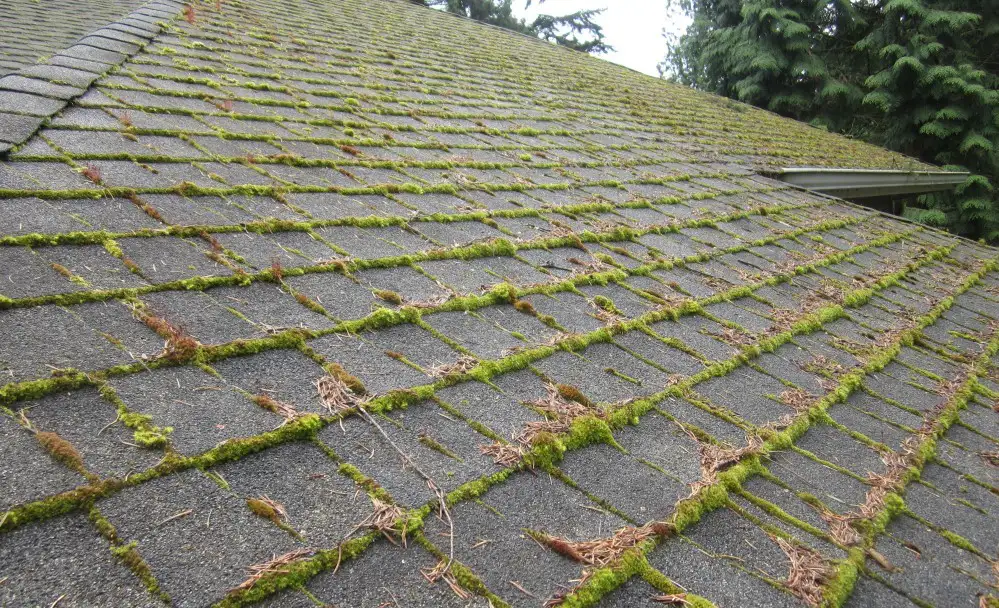
Moss grows thick and raised, creating a fuzzy, three-dimensional texture you can see from a distance. It appears bright green and forms clumps in shaded areas. Lichen presents as crusty, circular patches in white, gray, or orange tones. These organisms attach firmly to shingle surfaces, unlike loose debris.
Algae lies flat against shingles. Run your hand across affected areas—algae feels smooth, not bumpy or textured. The black streaks remain consistent in width and don't flake off easily when touched.
Additional Warning Signs
Watch for green or white spots scattered across your roof. These indicate moisture problems beneath the surface. White patches suggest salt deposits from water evaporation. Green spots point to early-stage algae or moss development.
Check north-facing slopes first. These areas receive less direct sunlight, creating ideal conditions for algae growth. Inspect sections near overhanging branches where shade persists throughout the day.
Schedule Professional Inspections
Contact roofers Indianapolis Indiana for annual evaluations. Professional inspectors access hard-to-reach areas safely. They identify roof algae Indianapolis residents often miss from ground-level observations. The best roofers in Indianapolis use specialized equipment to detect early-stage growth before visible damage occurs.
Book a roof inspection Indianapolis service during spring or fall. Trained professionals document algae locations, assess shingle condition, and recommend treatment options. Early detection prevents costly repairs later.
Factors Contributing to Roof Algae Growth in Indianapolis
Indianapolis summers create perfect conditions for roof algae growth. The city's humid climate roofing issues come from sustained moisture levels that allow Gloeocapsa magma to thrive on shingle surfaces. Summer humidity levels regularly exceed 70%, providing the damp environment algae needs to grow quickly.
Poor Ventilation
Poor ventilation Indianapolis roofing systems trap moisture beneath shingles, making it easier for algae to establish itself. Inadequate airflow in the attic prevents heat and humidity from escaping, creating a greenhouse effect that keeps shingles constantly wet. To maintain air circulation, ridge vents, soffit vents, and gable vents must work properly. When ventilation fails, condensation builds up on the underside of the roof decking, seeping into shingles from below while external humidity attacks from above.
Clogged Gutters
Clogged gutters Indianapolis gutter repair services frequently address cause standing water that saturates roof edges. Debris-filled gutters Indianapolis homeowners neglect creates dams that force water backward under shingles. This prolonged moisture exposure creates ideal breeding grounds for algae spores. Water overflow from blocked gutters also splashes onto lower roof sections, spreading contamination across previously clean areas.
Overhanging Tree Branches
Overhanging tree branches make moisture retention problems worse by:
- Blocking direct sunlight that naturally inhibits algae growth
- Dropping organic debris that holds moisture against shingles
- Creating shaded areas where dew and rain take longer to evaporate
- Providing paths for squirrels and birds that deposit algae-carrying waste
Roofing Material Composition
The type of roofing material used also affects how susceptible a roof is to algae growth. Asphalt shingles with limestone filler attract algae because the organisms feed on the calcium carbonate. Porous shingle surfaces soak up moisture easily, giving algae constant hydration. On the other hand, metal roofing Indianapolis installations resist algae growth due to non-porous surfaces that shed water quickly and reflect heat that would otherwise create humid microclimates. Copper and zinc naturally inhibit organic growth through metal ion release during rain events.
Preventing Roof Algae: Best Practices for Homeowners and Businesses in Indianapolis
Choose Algae-Resistant Roofing Materials
When installing a new roof or replacing damaged shingles, opt for algae-resistant roofing materials. Collaborate with the top roofing companies in Indianapolis to select products that contain copper or zinc granules embedded in the surface. These metals release ions during rainfall, effectively inhibiting algae growth. Reputable Indy roofing contractors stock these specialized shingles and possess knowledge of their proper installation requirements for maximum effectiveness.
Trim Tree Branches Near Your Roof
To prevent algae growth, it is essential to trim tree branches that hang within six feet of your roof surface. Direct sunlight acts as a natural deterrent by quickly drying moisture and creating an unfavorable environment for Gloeocapsa magma. Schedule trimming twice a year—in spring and fall—to maintain sufficient clearance. This practice also helps prevent leaf accumulation and reduces debris that traps moisture against shingles.
Establish a Cleaning Schedule
Maintaining cleanliness is crucial in preventing roof algae. Establish a cleaning schedule for both roof surfaces and gutter systems. During peak growth seasons, remove organic debris monthly from your roof. Additionally, clean gutters quarterly to ensure proper water flow away from the roof structure. Clogged gutters can lead to standing water, which creates ideal conditions for algae spores to migrate onto nearby shingles. For safe cleaning methods that preserve shingle integrity, contact residential roofing Indianapolis professionals.
Inspect and Upgrade Attic Ventilation
Proper ventilation is key in reducing internal humidity levels that contribute to algae growth. Inspect your attic ventilation and make necessary upgrades to promote airflow. Experienced Indy roofing specialists recommend installing ridge vents, soffit vents, or powered attic fans as needed. Balanced ventilation systems maintain temperature regulation and moisture control throughout the year.
Apply Preventative Chemical Treatments
Consider applying preventative chemical treatments specifically formulated for roof surfaces as an additional measure against algae. Solutions containing zinc sulfate or copper sulfate create a protective barrier that inhibits algae attachment. The best roofing contractors Indianapolis offers can safely apply these treatments without compromising shingle warranties or causing environmental harm. Remember to reapply treatments every two to three years for continued protection, ensuring even coverage and proper dilution ratios for optimal results without surface damage through professional application techniques.
Professional Solutions for Roof Algae Removal and Maintenance in Indianapolis
Professional roof cleaning services deliver targeted algae removal without compromising shingle integrity. Experienced Indy roofing company teams utilize low-pressure washing techniques combined with EPA-approved biocides. These methods eliminate Gloeocapsa magma colonies while preserving protective granules on asphalt shingles. Commercial roofing contractors Indianapolis employ specialized equipment designed specifically for roof surfaces, avoiding the harsh pressure that causes premature shingle deterioration.
DIY Bleach-Based Cleaning: Advantages and Risks
DIY bleach-based cleaning presents both advantages and risks:
- Advantages: Lower upfront costs, immediate availability, effective algae kill rate when properly diluted
- Disadvantages: Risk of personal injury from ladder work, potential vegetation damage from runoff, incomplete removal leading to rapid regrowth, voided manufacturer warranties
Apply bleach solutions at a 1:1 ratio with water. Never use pressure washers on asphalt shingles. Wear non-slip footwear and safety harnesses. Protect landscaping with tarps and pre-soak plants with water.
Specialized Protective Coatings for Long-Term Algae Resistance
Specialized protective coatings applied by commercial roofing companies Indianapolis provide multi-year algae resistance. These formulations create hydrophobic barriers that prevent moisture retention on shingle surfaces. Professional application ensures uniform coverage across all roof planes, valleys, and ridge caps. Roofing repair Indianapolis specialists integrate coating applications during routine maintenance visits, maximizing cost efficiency.
The Drawbacks of Zinc or Copper Strip Installation
Zinc or copper strip installation on existing roofs carries significant drawbacks:
- Nailing strips through shingles creates penetration points where water infiltrates.
- Adhesive-mounted strips fail to bond properly with aged shingles, leading to wind damage and displacement.
- The metal oxidation process requires consistent water flow across the entire roof surface—a condition rarely achieved on complex roof geometries.
Professional roof cleaning methods deliver superior results without structural compromise. Established commercial roofing contractors Indianapolis recommend complete algae removal followed by preventive treatments rather than retrofitting metal strips onto existing installations.
Additional Roofing Services Related to Algae Prevention in Indianapolis
Gutter systems require immediate attention when implementing roof algae prevention strategies. Clogged or damaged gutters in Indiana create standing water that saturates roof edges and encourages algae growth. Water overflow from faulty gutters runs down exterior walls and pools near foundation areas, causing secondary moisture issues. Schedule gutter cleaning every three months during humid summers in Indianapolis. Replace damaged sections promptly to ensure proper water flow away from roofing materials.
Gutter replacement services in Indiana become necessary when existing systems show signs of sagging, rust, or separation from fascia boards. Modern gutter installations include:
- Seamless aluminum construction reducing leak points
- Properly sized downspouts matching roof square footage
- Strategic placement preventing water accumulation on roof surfaces
- Leaf guards minimizing debris buildup in channels
Switching to metal roofing options in Indiana can offer better resistance to algae growth compared to traditional asphalt shingles. Metal surfaces reflect sunlight instead of absorbing heat and moisture. The non-porous nature of metal panels prevents algae spores from establishing colonies. Roofing companies in Indianapolis provide standing seam metal roofs, corrugated steel panels, and aluminum shingle alternatives. These materials eliminate limestone filler found in asphalt shingles that feeds algae organisms.
Integrated maintenance programs offered by roofing companies in Indianapolis combine multiple services addressing algae prevention. Commercial roofing contractors in Indianapolis provide comprehensive packages including:
- Simultaneous roof and gutter inspections
- Coordinated cleaning schedules for both systems
- Ventilation assessments during gutter replacement projects
- Documentation of moisture-prone areas requiring monitoring
Roofing specialists in Indianapolis understand how interconnected systems affect algae development. A damaged gutter section creates roof edge saturation. Poor ventilation traps moisture beneath shingles. Roofing professionals in Indianapolis evaluate these relationships during service calls. Request bundled maintenance packages addressing both roofing and gutter systems. This approach identifies moisture pathways before algae establishes visible colonies on shingle surfaces.
In addition, it's important to understand the legal implications when it comes to roofing contracts, as these often include clauses about maintenance responsibilities which can impact the overall effectiveness of your algae prevention strategy.
Benefits of Proactive Roof Algae Management for Properties in Indiana
Preserve Your Property's Curb Appeal
Maintain your property's curb appeal through consistent algae prevention strategies. Dark streaks and discoloration from algae colonies create an immediate negative impression on potential buyers, neighbors, and clients. Clean roofs signal proper maintenance and care, directly impacting property valuations during assessments and sales. The benefits roof algae prevention Indy residential roofing professionals emphasize include preserving the aesthetic integrity that protects your investment value.
Extend Your Roof's Lifespan
Extend your roof's functional lifespan by addressing algae before it compromises structural integrity. Algae colonies trap moisture against shingle surfaces, creating persistent damp conditions that accelerate deterioration. This trapped moisture penetrates protective layers, causing granule loss and weakening the underlying materials. Properties that implement preventive measures avoid the premature aging that reduces a 25-year roof to a 15-year liability.
Improve Energy Efficiency
Energy efficiency roofing Indiana homeowners achieve depends heavily on maintaining clean roof surfaces. Algae-covered roofs absorb significantly more heat than clean surfaces due to dark staining that eliminates reflective properties. This increased heat absorption forces cooling systems to work harder during humid Indianapolis summers, driving up energy costs month after month. A well-maintained, algae-free roof reflects solar radiation effectively, keeping attic temperatures lower and reducing the burden on HVAC systems. For instance, adopting energy-efficient roofing colors can further enhance this effect.
Save Money with Early Intervention
Calculate the financial impact of proactive management versus reactive repairs. Early identification and prevention cost a fraction of emergency roof repairs or complete replacements. A single professional cleaning and preventive treatment typically ranges from $300-$600, while premature roof replacement due to algae damage can exceed $8,000-$15,000 for average residential properties. Regular inspections catch algae growth in early stages when simple interventions remain effective.
Document Your Maintenance Schedule
Document your maintenance schedule to demonstrate responsible property stewardship. This record proves valuable during insurance claims, property sales, and warranty disputes. Professional roofers in Indianapolis Indiana recommend annual inspections specifically to identify algae development before visible damage occurs.
Choosing the Right Roofing Contractor for Algae Prevention and Repair in Indiana
Select contractors who demonstrate specific experience with humidity-related roofing challenges in Indianapolis. The best roofers in Indiana understand how regional climate patterns accelerate algae growth and possess proven strategies to combat these conditions. Look for companies that maintain active operations throughout the Indianapolis area, as local expertise translates to better problem-solving for your specific roof algae concerns.
Verify Credentials
Verify credentials before signing any contract. Check for proper licensing, insurance coverage, and bonding status. Review customer testimonials on independent platforms to gauge satisfaction levels with algae removal and prevention services. The best roofing contractors Indiana offers will provide documentation of their qualifications without hesitation.
Examine Service Portfolio
Examine their service portfolio to confirm they handle both commercial roofing contractors Indianapolis projects and Indianapolis residential roofing installations, indicating versatility and comprehensive industry knowledge.
Evaluate Range of Services
Evaluate their range of services beyond basic roof repair. A qualified Indy roofing company should offer integrated solutions including Indianapolis gutter repair, ventilation system assessment, and preventive maintenance programs. This comprehensive approach addresses multiple factors contributing to algae growth rather than treating surface symptoms alone.
Ask Direct Questions
Ask direct questions about their algae prevention methodology:
- What specific products do they use for algae treatment and prevention?
- How do they protect existing shingles during cleaning processes?
- What warranty coverage do they provide for algae-related services?
- Can they provide references from properties with similar algae issues?
- What maintenance schedule do they recommend post-treatment?
Request Detailed Estimates
Request detailed written estimates that itemize all services, materials, and labor costs. Compare proposals from at least three contractors to identify competitive pricing while avoiding suspiciously low bids that may indicate substandard materials or rushed workmanship.
Examine Response Time
Examine their response time to initial inquiries, as prompt communication often reflects their overall professionalism and reliability for ongoing maintenance needs.
Conclusion
Roof algae threatens your Indianapolis property's appearance and structural soundness. Act now to protect your investment from the damaging effects of humid summer conditions.
Key actions to take immediately:
- Schedule regular inspections with qualified local roofing professionals who understand Indiana's climate challenges
- Implement preventive measures including proper ventilation, gutter maintenance, and strategic tree trimming
- Choose algae-resistant materials when replacing or installing new roofing systems
- Address black streaks and discoloration promptly before moisture retention causes permanent damage
Partner with established Indianapolis roofing contractors who specialize in algae prevention and removal. These experts provide comprehensive solutions tailored to residential and commercial properties facing humid summer conditions. Their knowledge of regional weather patterns and proven treatment methods ensures effective long-term protection.
Your roof represents a significant financial commitment. Proactive maintenance against algae growth preserves both curb appeal and structural integrity. Ignoring early warning signs leads to costly repairs, premature shingle replacement, and potential water infiltration.
How to identify prevent roof algae Indiana starts with education and ends with action. Apply these Indy residential roofing tips consistently throughout the year. Understanding How to Identify and Prevent Roof Algae in Humid Indianapolis Summers empowers you to make informed decisions about your property's protection.
Contact trusted local roofing companies today. Establish a maintenance schedule that keeps your roof clean, dry, and algae-free for years to come.
FAQs (Frequently Asked Questions)
What causes roof algae growth in humid Indianapolis summers?
Roof algae, primarily caused by the blue-green algae Gloeocapsa magma, thrives in the warm, humid climate typical of Indianapolis summers. Factors such as high humidity, poor attic and roof ventilation, clogged gutters causing standing water, overhanging tree branches limiting sunlight, and certain porous roofing materials contribute to algae proliferation on roofs.
How can I identify roof algae on my Indianapolis property?
Roof algae typically appears as black streaks or colonies spreading uniformly over shingles. Unlike moss or lichen, these black streaks are a key visual sign of algae. Additional indicators include green or white spots signaling moisture issues. Regular roof inspections by professional roofers in Indianapolis are essential to accurately identify and differentiate algae from other roof stains or debris.
What are the best practices to prevent roof algae growth in Indianapolis?
Preventing roof algae involves selecting algae-resistant shingles with copper or zinc granules during new installations or replacements by trusted Indy roofing contractors. Homeowners should routinely trim overhanging branches to increase sunlight exposure, maintain regular cleaning schedules for roofs and gutters to remove debris, ensure proper attic ventilation to reduce internal humidity, and apply chemical treatments designed to repel moisture and inhibit algae growth safely.
Are professional roof cleaning services recommended for removing roof algae in Indianapolis?
Yes, professional cleaning services specializing in safe removal of roof algae are recommended to avoid damaging shingles. While DIY bleach-based methods exist, they carry risks including potential shingle damage and safety concerns. Experienced commercial roofing companies in Indianapolis use specialized coatings with long-term algae resistance and avoid methods like installing zinc or copper strips that may harm sealants.
How does gutter maintenance relate to preventing roof algae in Indiana homes?
Proper gutter maintenance and timely replacement prevent water accumulation that fosters damp conditions ideal for algae growth. Integrating gutter repair services alongside roofing maintenance ensures effective water drainage away from the roof surface, reducing moisture retention and thereby minimizing the risk of roof algae development.
Why is it important to choose the right roofing contractor for algae prevention and repair in Indiana?
Selecting experienced local contractors familiar with Indiana's regional climate challenges ensures effective prevention and treatment of roof algae. Verified credentials, positive customer reviews, comprehensive service offerings including gutter repair, and expertise in both commercial and residential roofing are critical. Asking potential contractors about their specific methods for algae prevention and cleaning helps secure reliable and lasting solutions.
