Understanding the Different Layers of an Indianapolis Roof System
Understanding the Different Layers of an Indianapolis Roof System
Understanding the Different Layers of an Indianapolis Roof System
Your roof protects your most valuable investment. Understanding the Indianapolis roof system components helps you make smart decisions about maintenance, repairs, and contractor selection.
Most homeowners view their roof as a single entity. This perspective misses the complexity of modern roofing Indianapolis construction. Your roof consists of multiple integrated layers, each serving a distinct purpose in protecting your home from Indiana's harsh weather conditions—from summer storms to winter ice.
Why Roof Knowledge Matters
Indianapolis homeowners face unique climate challenges. Temperature swings, heavy rainfall, ice dams, and high winds demand robust roofing systems. Knowledge of roof layers Indianapolis empowers you to:
- Identify potential problems before they escalate into costly repairs
- Communicate effectively with contractors about specific issues
- Evaluate quotes from the best roofers in Indianapolis with confidence
- Understand when Indianapolis gutter repair or gutter replacement Indianapolis becomes necessary
- Make informed decisions about material upgrades and system improvements
Each layer in your roof system contributes to three critical functions: protection from water intrusion, structural durability against wind and weight loads, and energy efficiency through proper insulation and ventilation. When one layer fails, the entire system becomes vulnerable.
The following sections break down each component, from the structural deck to the visible shingles, explaining how they work together to safeguard your home.
1. The Structural Base: Roof Deck
The roof deck Indianapolis serves as the structural foundation upon which every other roofing component depends. This critical layer provides the base surface for attaching underlayment, shingles, and all protective materials. Without a solid deck, the entire roof system becomes compromised—no matter how premium the outer layers may be.
Plywood and oriented strand board (OSB) dominate as the primary decking materials across Indianapolis installations. Plywood consists of thin wood veneers glued together in alternating grain patterns, creating exceptional strength and dimensional stability. OSB uses compressed wood strands bonded with adhesive resins, offering comparable structural performance at a lower cost point.
Material Specifications for Indianapolis Conditions
- Plywood thickness: Typically 1/2" to 5/8" depending on rafter spacing
- OSB ratings: Must meet APA performance standards for roof sheathing
- Moisture resistance: Critical for Indiana's humid summers and freeze-thaw cycles
- Span ratings: Match decking thickness to structural requirements
Roofing contractors Indianapolis understand that deck integrity determines roof longevity. A properly installed deck requires:
- Correct spacing between panels (typically 1/8" gaps for expansion)
- Secure fastening to rafters or trusses at specified intervals
- Level, smooth surface free from warping or damage
- Adequate support at all edges and connections
Inspect your deck before any roofing project begins. Damaged, rotted, or sagging sections demand immediate replacement. Water stains, soft spots, or visible deterioration signal structural weakness that will undermine new roofing materials. Professional contractors assess deck condition during initial inspections, identifying problem areas that require reinforcement or replacement before proceeding with installation.
2. Secondary Protection: Roof Underlayment
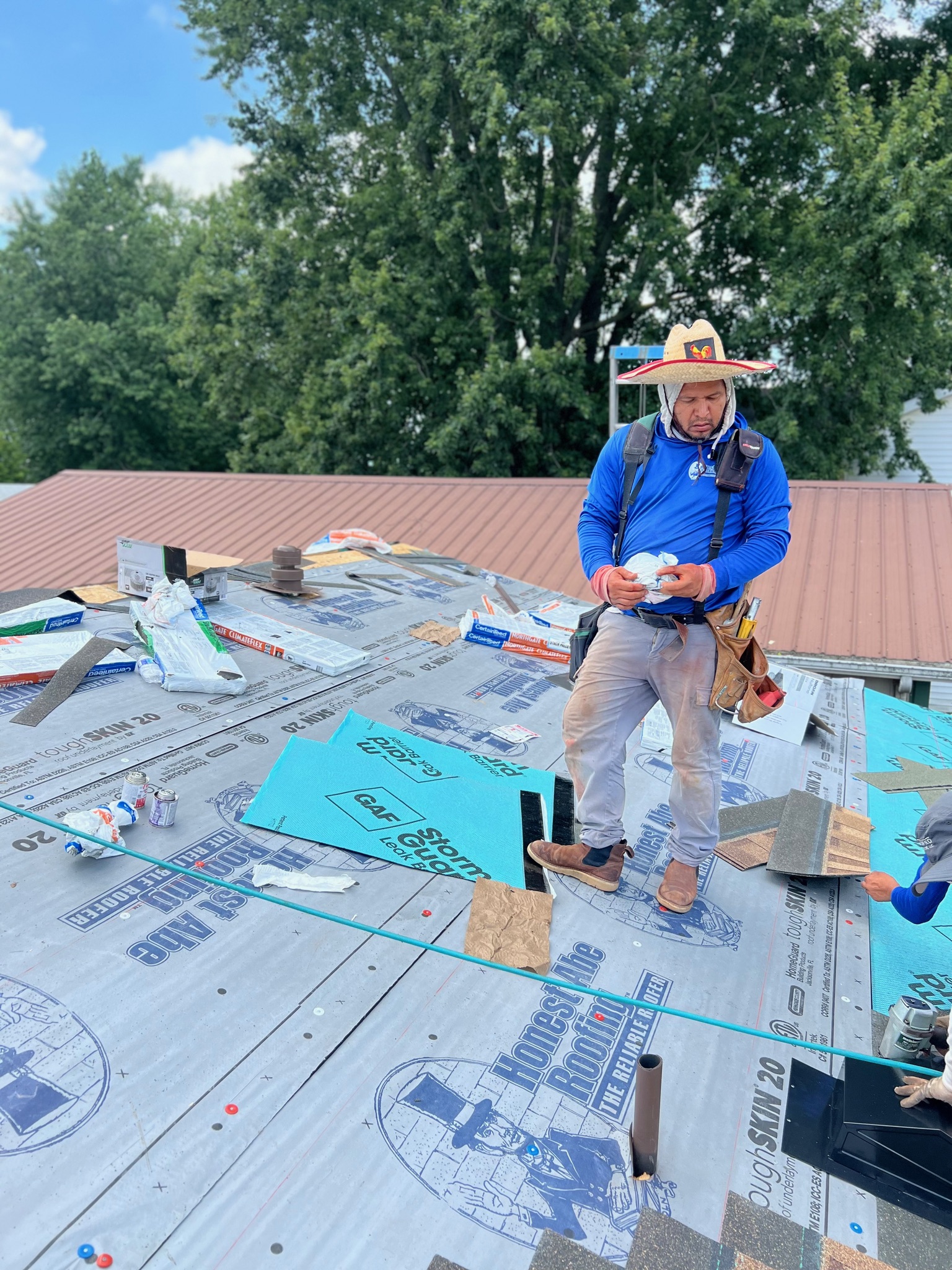
The underlayment serves as your roof's critical backup defense. This layer sits directly on top of the deck, creating a waterproof barrier that catches any moisture penetrating through the outer covering. Without proper underlayment Indianapolis installations, water can seep into the deck and cause rot, mold, and structural damage.
Types of Underlayment Materials
1. Felt Underlayment (Asphalt-Saturated)
Traditional felt comes in 15-pound and 30-pound weights. The heavier option provides better protection against wind-driven rain. Many Indianapolis contractors still use felt for standard residential applications due to its proven track record and cost-effectiveness.
2. Synthetic Underlayment
Modern synthetic materials outperform felt in durability and tear resistance. These products resist UV damage during installation delays and won't wrinkle or buckle. Synthetic underlayment handles Indiana's temperature fluctuations better than felt, maintaining its protective qualities through freeze-thaw cycles.
3. Ice and Water Shield
This self-adhering membrane creates a watertight seal around vulnerable areas. Indiana building codes require ice and water barriers in specific zones:
- Eaves extending at least 24 inches inside the exterior wall
- Valleys where two roof planes meet
- Around penetrations like chimneys and skylights
Installation Standards for Indiana Climate
Proper installation requires overlapping seams by at least 6 inches horizontally and 4 inches vertically. Contractors must secure underlayment with cap nails or staples spaced according to manufacturer specifications. Wind resistance becomes critical in Indianapolis, where storms can generate sustained winds exceeding 60 mph. Quality roofing repair Indianapolis services always inspect underlayment integrity during maintenance checks, replacing damaged sections before they compromise the entire system.
3. The Visible Shield: Roof Covering Materials
Roof covering materials are the first line of defense against extreme weather in Indianapolis. The choice of materials depends on the type of building, budget, and aesthetic preferences.
Residential Roofing Options in Indianapolis
Asphalt Shingles are the most common residential roofing option in Indianapolis. They are cost-effective and easy to install. Three-tab shingles provide basic protection, while architectural shingles offer better durability and a more dimensional look. With proper maintenance, you can expect them to last 20-30 years.
Metal Roofing is becoming increasingly popular among homeowners in Indianapolis. Standing seam panels are resistant to wind damage and efficiently shed snow. Metal roofs reflect solar heat, which can help reduce cooling costs during humid summers in Indiana. These systems can last anywhere from 40 to 70 years with minimal upkeep.
Premium Materials such as clay tiles, concrete tiles, slate, and wood shakes are also available. Clay and concrete tiles can withstand severe weather but may require reinforced structural support. Slate roofs can last for over a century but come at a higher cost. Wood shakes offer a natural look but need regular treatment to protect against moisture and fire hazards.
Commercial Roofing Applications in Indianapolis
Commercial buildings usually use different materials than residential ones. Built-up roofing (BUR) systems consist of layers of tar and gravel for flat surfaces. Single-ply membranes are efficient for covering large areas. Metal panels are often used on warehouses and industrial facilities because they can span wide spaces.
The best roofing companies in Indianapolis choose materials based on the specific needs of each building. For residential projects, they focus on enhancing the appearance from the street and ensuring the roof lasts long. In commercial installations, the main priorities are preventing water leaks and making it easy to maintain the roof.
To understand how an Indianapolis roof system is constructed, it's important to start by selecting the right covering materials that suit your type of building and can withstand the local climate conditions.
4. Waterproofing for Flat and Low-Slope Roofs: Roof Membranes
Flat roofs Indianapolis commercial buildings depend on specialized membrane systems to prevent water infiltration. Unlike pitched residential roofs where gravity naturally sheds water, flat and low-slope roofs require continuous waterproof barriers that can withstand pooling water and extreme temperature fluctuations.
Commercial roofing companies Indianapolis install four primary membrane types, each engineered for specific performance characteristics:
1. EPDM (Ethylene Propylene Diene Monomer)
- Synthetic rubber membrane known for durability and weather resistance
- Black surface absorbs heat but provides excellent UV protection
- Cost-effective solution with proven 20-30 year lifespan
- Ideal for buildings without significant foot traffic
2. TPO (Thermoplastic Polyolefin)
- White reflective surface reduces cooling costs during Indiana summers
- Heat-welded seams create watertight bonds stronger than the membrane itself
- Growing popularity due to energy efficiency ratings
- Resistant to punctures and tears from debris
3. PVC (Polyvinyl Chloride)
- Premium option with superior chemical resistance
- Highly reflective white surface maximizes energy savings
- Hot-air welded seams provide exceptional waterproofing
- Best choice for roofs exposed to oils or greases
4. Modified Bitumen
- Asphalt-based system reinforced with rubber or plastic polymers
- Applied through torch-down or cold-adhesive methods
- Multi-ply construction adds redundancy against leaks
- Excellent for high-traffic commercial applications
Each membrane type extends roof life by creating an impermeable barrier against moisture. Proper installation by certified contractors ensures seams remain sealed and drainage systems function correctly. The membrane selection depends on building use, budget constraints, and energy efficiency goals specific to Indiana's climate demands.
5. Critical Detailing: Flashing Components
Flashing is a crucial element in protecting your roof from water damage. It is installed at vulnerable areas where different parts of the roof meet, such as chimneys, vent pipes, skylights, and valleys. These metal strips act as a barrier, sealing off any gaps or openings that could allow water to seep into your home.
Key Installation Points:
- Chimney bases and sides
- Plumbing vent pipes
- Skylight perimeters
- Roof valleys
- Dormer walls
- Eave edges and rakes
Material Selection for Indiana Weather
When it comes to choosing the right material for flashing, it's important to consider the specific weather conditions in Indiana. Here are some options:
- Galvanized steel: This is a cost-effective choice that provides basic protection against water intrusion.
- Aluminum: This lightweight material offers better resistance to corrosion, making it suitable for areas with high humidity or coastal regions.
- Copper: Known for its longevity, copper flashing can last over 50 years but comes at a higher price point.
- Stainless steel: This option strikes a balance between durability and corrosion resistance, making it ideal for Indiana's freeze-thaw cycles.
Common Failure Points
Even with the best materials, improper installation can lead to failures in flashing. Here are some common issues to watch out for:
- Gaps between flashing and roof surfaces: If there are spaces where the flashing doesn't properly overlap or seal with the roof, water can find its way underneath shingles.
- Corroded flashing: Over time, exposed metal flashings can rust or deteriorate, creating holes that allow water to enter your attic space.
- Loose or missing fasteners: If the fasteners holding the flashing in place become loose or are not installed correctly, wind-driven rain can infiltrate behind protective barriers.
To ensure proper installation of flashing around chimneys, individual pieces should be used that overlap like fish scales. Counter flashing must be embedded into mortar joints to create a watertight seal. Valley flashing also requires an underlayment beneath it to handle heavy rainfall during storms.
The best roofing contractors in Indianapolis understand these critical details. Experienced roofers know that rushing through or improperly installing flashing can lead to costly water damage within months.
Professional installation requires precision cutting, accurate measurements for overlap, and secure fastening at every transition point. If you notice any signs of damaged flashing such as leaks or rust spots, it's important to address them immediately. Small leaks can quickly expand during Indiana's severe weather seasons if left unattended.
6. Enhancing Performance: Ventilation Systems
Attic ventilation directly impacts your roof's lifespan and your home's energy costs. Proper ventilation roofing Indianapolis systems regulate temperature extremes and control moisture buildup that accelerates material deterioration. Without adequate airflow, summer heat trapped in your attic can reach 150°F, cooking shingles from below and shortening their service life by years. Winter moisture from daily activities rises into the attic space, condensing on cold surfaces and promoting mold growth, wood rot, and insulation damage.
Intake and Exhaust Balance
A functional ventilation system requires two components working together:
Intake Vents (located at the eaves or soffits)
- Draw fresh air into the attic space
- Typically installed as continuous soffit vents or individual rectangular vents
- Must remain unobstructed by insulation for proper airflow
Exhaust Vents (positioned near the roof peak)
- Release hot, moist air from the attic
- Common types include ridge vents, box vents, and powered attic fans
- Ridge vents provide continuous exhaust along the entire roof peak
The ratio matters. Building codes specify one square foot of ventilation per 150 square feet of attic space, split evenly between intake and exhaust. Imbalanced systems create negative pressure, pulling conditioned air from living spaces and wasting energy.
Indiana's climate demands attention to ventilation. Humid summers load attics with moisture. Cold winters create temperature differentials that drive condensation. An experienced Indy roofing company evaluates your specific attic configuration, calculates proper vent sizing, and ensures installation meets local requirements. Blocked vents, insufficient intake, or missing exhaust components compromise the entire roof system's performance, regardless of how premium your other materials are.
7. Comfort Layer: Roof Insulation
Insulation is a crucial part of residential roofing systems in Indianapolis. It serves as the barrier between the heated interior space and the harsh Indiana weather, influencing both comfort levels and utility expenses.
Common Insulation Types in Indiana Roof Systems:
- Blown-In Insulation: Loose-fill fiberglass or cellulose is applied with pneumatic equipment. This method fills cavities and irregular spaces, making it ideal for retrofit projects or attics with many obstructions.
- Batt Insulation: Pre-cut fiberglass or mineral wool panels fit between rafters. Batts provide consistent R-value but need precise installation to avoid gaps.
- Spray Foam Insulation: Expands on application, sealing joints and penetrations. Closed-cell foam offers high R-value per inch and additional moisture resistance, critical for Indiana’s humid summers and cold winters.
- Rigid Foam Board: Used above or below the roof deck, these panels add R-value without excessive thickness. Common in commercial roofs and new residential roofing builds.
Benefits for Indiana Homes:
- Thermal Comfort: Proper insulation means stable indoor temperatures, regardless of outdoor swings from winter freezes to summer heat waves. Residents experience fewer drafts and cold spots.
- Energy Efficiency: Lower heat loss in winter and minimal heat gain in summer reduces HVAC demand. Homeowners report significant cuts in energy bills after upgrading insulation roofing Indiana systems.
- Condensation Control: Effective insulation restricts warm, moist air from reaching cold surfaces inside the roof assembly, curbing mold growth and material degradation.
- Sound Dampening: An added benefit—insulated roof assemblies block exterior noise, enhancing indoor tranquility.
Integrate high-performance insulation with ventilation and underlayment to optimize comfort, efficiency, and long-term durability.
Integrated System Performance and Maintenance
Each layer of your roof works together as a single defense against the unpredictable weather in Indianapolis. The deck provides the necessary support, while the underlayment catches any water that manages to get past the outer covering. Shingles or membranes are designed to deflect rain and snow, flashing directs moisture away from vulnerable joints, ventilation removes trapped heat and humidity, and insulation keeps the interior temperatures stable. If any one component is removed or compromised, the entire system becomes weaker.
Why Indiana's Climate Requires This Integrated Approach
Indiana experiences a range of weather conditions throughout the year, including:
- Heavy rainfall and high winds during summer storms
- Freeze-thaw cycles in winter that expand trapped moisture
- Humidity challenges in spring that affect ventilation systems
- Temperature swings in fall that put stress on thermal barriers
These regional stressors can have a significant impact on your roof's performance. That's why it's crucial to have an integrated approach that takes into account all these factors.
How Professional Installation Contributes to Longevity
The longevity of your roof system largely depends on how well it has been installed. Experienced contractors know the importance of getting every detail right, such as:
- Aligning underlayment seams correctly
- Securing flashing with appropriate fasteners
- Verifying ventilation ratios meet code requirements
- Sealing penetrations thoroughly
- Ensuring proper overlap between materials
Amateur work may cut corners or overlook these critical aspects, creating weak points where water can infiltrate and leading to expensive roofing repairs down the line.
Essential Maintenance Practices for Your Roof System
To keep your roof system in optimal condition, it's important to carry out regular maintenance practices similar to those outlined in this ultimate guide, which can be beneficial even in Indiana's climate. Here are some key tasks you should include in your routine:
- Inspect your roof system twice a year—spring and fall are ideal times for this.
- Check for any signs of damage or deterioration:
- Shingle condition: Look for curling edges, missing granules, or displaced pieces
- Flashing integrity: Examine seals around chimneys, vents, and skylights for gaps or rust
- Membrane surfaces: Identify blisters, punctures, or seam separation on flat roofs
- Interior signs: Scan attic spaces for water stains, mold growth, or daylight penetration
- Gutter function: Verify proper drainage and clear debris blocking water flow
- Address any minor issues immediately to prevent them from escalating into larger problems.
- Document your inspection findings with dated photographs so you can track deterioration patterns over time.
When to Seek Professional Help
In addition to your regular inspections and maintenance tasks, it's also important to schedule professional evaluations after severe weather events. Hail damage and wind uplift can create hidden problems that worsen over time if not addressed promptly.
By following these essential maintenance practices akin to those mentioned in common types of roof repairs, you can ensure that your integrated roof
Choosing the Right Roofing Professionals in Indianapolis
Select contractors who demonstrate proven expertise with Indianapolis roofing systems. The best roofers in Indianapolis maintain proper licensing, comprehensive insurance coverage, and established track records in both residential and commercial projects. Verify credentials through state licensing boards and request proof of liability and workers' compensation insurance before signing any contracts.
Essential Criteria for Vetting Roofing Companies Indianapolis:
- Active business licenses specific to Indiana roofing operations
- Minimum five years of documented experience with local projects
- Physical office location within the Indianapolis service area
- Detailed written warranties covering materials and workmanship
- References from recent projects similar to your roof type
Ask commercial roofing contractors Indianapolis about their familiarity with building codes specific to Marion County and surrounding areas. Indiana's climate demands specific installation techniques for ice dam prevention, wind uplift resistance, and moisture management. Request examples of projects completed during different seasons to assess their understanding of temperature-related installation requirements.
Critical Questions for Any Indy Roofing Company:
- Which underlayment materials do you recommend for Indiana weather patterns?
- How do you address ventilation requirements in your installations?
- What inspection protocols do you follow during multi-layer installations?
- Can you provide documentation of manufacturer certifications?
- What emergency repair response times do you guarantee?
Licensed contractors bring accountability to every project phase. Insurance protection shields property owners from liability during installation accidents or material failures. Roofing companies in Indianapolis Indiana with proper credentials typically offer extended warranty options and maintain relationships with material suppliers for faster repairs.
Commercial roofing contractors Indianapolis should demonstrate specific experience with membrane systems, flat roof drainage solutions, and large-scale project management. Residential specialists need expertise in shingle installation, attic ventilation integration, and gutter system coordination. Match contractor specialization to your specific roof configuration for optimal results.
Conclusion
Knowledge empowers homeowners to make informed decisions. By understanding the roof systems that Indianapolis residents rely on every day, you can make smart choices about maintenance and evaluate contractors effectively. Each component of your roof, from the structural deck to the visible covering, requires attention and expertise.
Your roof system needs active management:
- Schedule professional inspections twice a year
- Keep a record of all maintenance activities and repairs
- Address minor issues before they turn into expensive damage
- Verify contractor credentials before signing any agreement
The complexity of modern roof systems means that professional expertise is essential. DIY repairs or postponed maintenance can compromise the performance of all layers working together. Water intrusion may start small but can quickly spread through weak points in underlayment, flashing, and membranes.
Roofing contractors trusted by Indiana homeowners understand the local climate challenges. They know how freeze-thaw cycles put stress on materials differently than constant heat or humidity. They are familiar with which products can withstand Indianapolis weather patterns and which ones fail prematurely.
Protect your investment by staying vigilant. Regular inspections can catch deteriorating flashing, damaged shingles, and compromised ventilation before any interior damage occurs. By understanding the different layers of an Indianapolis roof system, you will be able to ask the right questions, spot warning signs early on, and demand high-quality workmanship.
Take action now. Reach out to licensed professionals for a thorough evaluation of your roof. Your home deserves long-lasting protection.
FAQs (Frequently Asked Questions)
What are the different layers of an Indianapolis roof system and their functions?
An Indianapolis roof system consists of multiple layers including the structural base or roof deck (commonly plywood or OSB), the secondary protection layer called roof underlayment (felt, synthetic, or ice and water barriers), the visible roof covering materials (such as asphalt shingles, metal panels, clay tiles), waterproofing membranes for flat and low-slope roofs (EPDM, TPO, PVC), flashing components around roof penetrations to prevent leaks, ventilation systems for attic temperature and moisture control, and roof insulation for thermal comfort and energy savings. Each layer contributes to protection, durability, and energy efficiency.
Why is proper installation of the roof deck important in Indianapolis roofing?
The roof deck serves as the foundation of the entire roofing system. In Indianapolis, common materials like plywood and oriented strand board (OSB) are used. A strong, well-installed deck ensures overall roof stability and supports all other layers effectively. Poor installation can compromise the entire roofing system's durability and safety.
What types of underlayment are recommended for Indianapolis roofs to ensure waterproofing and wind resistance?
In Indianapolis roofing repair and installation, underlayments such as traditional felt, synthetic materials, and specialized ice and water barriers are commonly used. These materials act as a secondary water barrier beneath the roof covering to protect against moisture infiltration and enhance wind resistance according to local standards and best practices.
How do ventilation systems enhance the performance of roofs in Indianapolis?
Attic ventilation systems in Indianapolis play a critical role in regulating temperature and controlling moisture within the attic space. Proper intake and exhaust components improve energy efficiency by reducing heat buildup in summer and moisture accumulation that can lead to mold growth. This is especially important given Indiana's climate variations.
What should homeowners consider when choosing roofing professionals in Indianapolis?
When selecting residential or commercial roofing companies in Indianapolis, homeowners should look for licensed and insured contractors with experience working with local codes and materials suited to Indiana's climate. Asking about their expertise with gutter replacement/repair services, maintenance routines, and familiarity with integrated roofing systems ensures quality workmanship.
How do regular inspections contribute to the longevity of an Indianapolis roof system?
Regular inspections help identify early signs of damage such as leaks, membrane blistering, or compromised flashing before they escalate. For homeowners in Indianapolis, prioritizing routine maintenance by experienced local contractors ensures long-term durability, protection against weather extremes typical to Indiana, and sustained energy efficiency.
