What You Need to Know Before Installing Rooftop Solar Panels in Indianapolis
What You Need to Know Before Installing Rooftop Solar Panels in Indianapolis
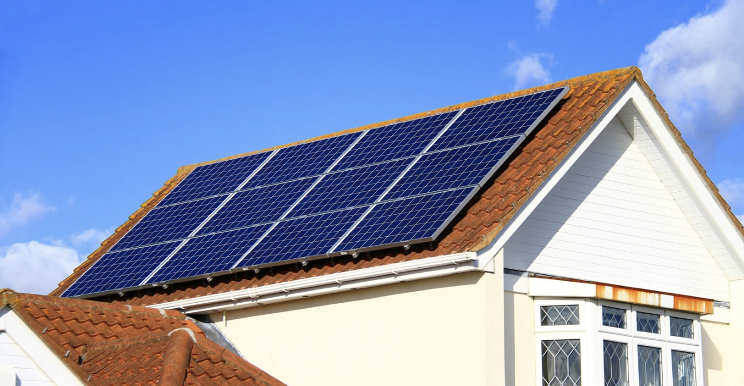
What You Need to Know Before Installing Rooftop Solar Panels in Indianapolis
Rooftop solar panels in Indianapolis have seen a significant increase in installations in recent years. Homeowners across the city are embracing renewable energy solutions at an unprecedented rate. This shift directly impacts the roofing industry in Indianapolis, where the best roofers now need to possess expertise in both traditional roofing and solar integration.
The connection between solar energy and residential roofing in Indianapolis runs deeper than most realize. Your roof serves as the foundation for your entire solar investment. A compromised roof structure undermines system performance, creates safety hazards, and leads to costly repairs down the line.
Local factors make Indianapolis unique for solar installations. The city's climate patterns affect panel efficiency, municipal regulations dictate installation requirements, and state-level policies shape financial incentives. Additionally, your roof's age, condition, and orientation determine system viability.
Understanding these Indianapolis-specific considerations separates successful installations from problematic ones. The wrong approach can cost thousands in repairs, reduce energy production, and shorten system lifespan.
This guide covers what you need to know before installing rooftop solar panels in Indianapolis. You'll learn about:
- System requirements and costs specific to Indiana
- Financial incentives available to local homeowners
- Critical roofing considerations that affect installation success
- How to select qualified contractors for your project
Make informed decisions, protect your investment, and maximize your solar potential.
Understanding Rooftop Solar Panel Systems in Indianapolis
Rooftop solar panels Indianapolis homeowners install convert sunlight into usable electricity through photovoltaic (PV) technology. Each panel contains silicon cells that generate direct current (DC) electricity when exposed to sunlight. An inverter then transforms this DC power into alternating current (AC) electricity that powers household appliances and electronics.
Core Components of a Solar Panel System
A complete rooftop solar installation consists of several critical elements working together:
- Solar panels (modules): The visible components mounted on your roof that capture sunlight
- Inverter system: Converts DC electricity to AC power for home use
- Mounting hardware: Secures panels to your roof structure without compromising integrity
- Monitoring system: Tracks energy production and system performance in real-time
- Electrical panel upgrades: May be necessary to handle the additional power source
Solar Panel System Size Requirements
Indiana homeowners typically need a 12.84 kW system to offset their annual electricity consumption effectively. This size accounts for the state's average household energy usage patterns and local solar irradiance levels. A system of this capacity usually requires:
- 32-40 individual solar panels (depending on panel wattage)
- 400-600 square feet of unshaded roof space
- Adequate structural support to handle approximately 3-4 pounds per square foot
Solar Installation Cost Indianapolis Pricing
The solar installation cost Indianapolis residents face ranges from $30,659 to $41,479 before applying any incentives or tax credits. This price variation depends on multiple factors:
Equipment quality: Premium panels with higher efficiency ratings command higher prices but deliver better long-term performance. Budget-friendly options exist but may require more roof space and produce less energy over time.
Installation complexity: Roof pitch, material type, and accessibility affect labor costs. Steep roofs or those requiring additional structural reinforcement increase total expenses.
System specifications: Battery backup integration, premium inverter technology, and advanced monitoring capabilities add to the base cost but provide enhanced functionality.
Contractor selection: Established local installers with proven track records may charge more than newer companies, but their expertise often prevents costly mistakes and ensures proper permitting compliance.
The per-watt cost typically falls between $2.39 and $3.23 for residential installations in the Indianapolis area. This metric helps homeowners compare quotes from different contractors on equal footing.
Financial Considerations Before Installation
Solar panel cost Indianapolis averages between $30,659 and $41,479 before incentives for a typical 12.84 kW system. This upfront investment represents a significant financial commitment. Break down these costs into three primary components:
- Equipment expenses: Panels, inverters, mounting hardware, and electrical components
- Labor charges: Professional installation, electrical work, and system commissioning
- Permit fees: Local building permits and utility interconnection applications
The federal tax credit solar Indiana homeowners can claim reduces this burden substantially. The Residential Clean Energy Tax Credit offers a 30% reduction on total installation costs. Apply this credit directly against your federal tax liability. A $36,000 system drops to $25,200 after claiming the credit. This incentive transforms solar from a luxury into an accessible investment for many Indianapolis households.
Act before 2026. The tax credit begins its phase-down schedule after December 31, 2032. The rate drops to 26% in 2033 and 22% in 2034. Starting your installation now maximizes your savings. Delays cost money. A two-year wait on that same $36,000 system means losing $1,440 in tax credits.
Solar financing options Indianapolis residents can access include multiple pathways to ownership:
Cash Purchase
Pay the full amount upfront. This method delivers the highest long-term returns. You own the system immediately. No interest payments eat into your savings. Claim the full federal tax credit in the year of installation.
Solar Loans
Borrow funds specifically for solar installation. Many lenders offer specialized solar loans with competitive interest rates. Some programs include subsidies that reduce effective interest rates below market averages. Monthly payments often match or fall below current electricity bills. You maintain system ownership and claim all tax benefits.
Leases
Pay a fixed monthly fee to use solar panels owned by a third party. No upfront costs required. The leasing company handles maintenance. The trade-off: you forfeit the federal tax credit and any renewable energy certificates. Monthly savings typically remain lower than ownership models.
Power Purchase Agreements (PPAs)
Purchase only the electricity your panels generate at a predetermined rate. The PPA provider owns and maintains the equipment. This option requires zero down payment. Your rate per kilowatt-hour stays fixed while utility rates climb. Like leases, you sacrifice the tax credit to the system owner.
Each financing path suits different financial situations:
- Cash buyers maximize returns.
- Loan holders balance immediate affordability with long-term ownership benefits.
- Leases and PPAs serve homeowners who want solar without capital investment or maintenance responsibilities.
Payback Period and Long-Term Savings Potential with Rooftop Solar Panels
Calculate your solar payback period Indiana before committing to installation. The average homeowner in Indiana recovers their initial investment in approximately 12.27 years. This timeline accounts for the system cost, available incentives, and typical electricity rates in the Indianapolis area.
The math works in your favor when you consider the full picture. Take a system costing $36,000 before incentives. Apply the 30% federal tax credit, and your out-of-pocket expense drops to $25,200. Divide this by your annual electricity savings—typically $2,000 to $2,500 for Indianapolis homeowners—and you reach that 12.27-year mark.
Breaking Down Your Return on Investment
Your solar panels don't stop working after the payback period ends. Most systems operate efficiently for 25 to 30 years or longer. This extended lifespan creates substantial electricity savings solar panels Indianapolis homeowners can bank on:
- Years 1-12: System pays for itself through reduced utility bills
- Years 13-25+: Pure savings with minimal maintenance costs
- Total potential savings: $30,000 to $50,000 over the system's lifetime
Energy prices continue climbing. Indianapolis electric rates have increased steadily over the past decade. Your solar panels lock in predictable energy costs while utility customers face annual rate hikes averaging 2-3%.
Real Numbers for Indianapolis Homeowners
A typical 12.84 kW system generates approximately 15,000 to 17,000 kWh annually in Indiana's climate. At current electricity rates of $0.14 to $0.16 per kWh, you're looking at $2,100 to $2,720 in annual savings. Multiply these figures across 25 years, and the long-term financial benefit becomes clear.
What You Need to Know Before Installing Rooftop Solar Panels in Indianapolis: the payback period represents just the beginning of your financial gains. The real value emerges in decades two and three of ownership, when your system generates free electricity long after recovering its initial cost.
Economic Incentives and Challenges Specific to Indiana's Solar Market
Indiana's solar landscape presents unique obstacles that directly affect your bottom line. The state offers no statewide rebates or incentives for residential solar installations. This absence of financial support puts Indianapolis homeowners at a disadvantage compared to residents in states like California, New York, or Massachusetts, where robust incentive programs can reduce installation costs by thousands of dollars.
The situation became more challenging in 2022. Indiana phased out its traditional net metering program, which previously allowed homeowners to receive retail rate credits for excess electricity sent back to the grid. The replacement system offers substantially lower compensation rates for surplus energy production.
Current Net Metering Status
Under the old net metering structure, your utility company credited you at full retail rates—typically $0.12 to $0.14 per kilowatt-hour. The new system operates differently:
- Reduced credit rates: Utilities now compensate at wholesale rates, often 30-50% lower than retail prices
- Immediate impact on ROI: Lower compensation extends your payback period
- Grandfathering provisions: Systems installed before the 2022 deadline maintain old rates for 30 years
Financial Reality for Indianapolis Homeowners
The lack of Indiana solar incentives means you rely almost entirely on federal programs to make your investment viable. Without state-level solar panel rebates Indianapolis homeowners receive in other markets, your upfront costs remain higher. The net metering Indiana changes compound this challenge by reducing the value of electricity your system produces.
This economic environment demands careful calculation. Your system must generate enough savings through direct electricity offset to justify the investment. The federal tax credit becomes your primary financial tool, making timing critical for anyone considering installation in the Indianapolis area.
Federal Support Programs for Solar Energy Installation in Indiana
The 30% Residential Clean Energy Tax Credit
The Residential Clean Energy Tax Credit Indiana program provides substantial financial relief for homeowners investing in solar panel systems. This federal incentive covers 30% of total installation costs, including equipment and labor. The credit applies directly to your federal income tax liability, reducing what you owe dollar-for-dollar.
Key details about this tax credit:
- Available through December 31, 2032
- Covers solar panels, inverters, mounting equipment, and installation labor
- No maximum dollar limit on the credit amount
- Unused credits roll over to subsequent tax years
- Applies to primary residences and second homes
Calculate your potential savings: A $36,000 solar installation qualifies for a $10,800 tax credit, bringing your net cost down to $25,200. This federal support significantly improves the return on investment for Indianapolis homeowners, especially given the absence of state-level incentives.
EPA Solar for All Program Benefits
The EPA Solar for All program Indiana targets low-income households across Indianapolis and surrounding areas. This initiative allocates $7 billion nationally to expand solar access for underserved communities. Indiana received specific grant allocations to deploy residential solar projects in qualifying neighborhoods.
Program features include:
- Zero or low upfront costs for eligible households
- Priority access for households earning below 80% of area median income
- Community solar options for renters and those with unsuitable roofs
- Technical assistance for navigating installation processes
Local community organizations and solar providers partner with the EPA to deliver these benefits. Eligible households can access solar energy without the typical financial barriers, reducing monthly electricity expenses by 20-50%. Contact your local community action agency or visit the EPA's Solar for All website to determine eligibility and application procedures.
Environmental Benefits Beyond Economics: Why Installing Rooftop Solar Panels Matters in Indianapolis
Solar panels transform Indianapolis rooftops into power generators that directly combat climate change. Each kilowatt-hour produced by your system replaces electricity that would otherwise come from coal or natural gas plants. Indiana's grid still relies heavily on fossil fuels, making every residential solar installation a measurable step toward cleaner air and reduced carbon emissions.
Direct Impact on Local Air Quality
Indianapolis faces air quality challenges tied to fossil fuel combustion. Installing rooftop solar panels creates immediate environmental benefits:
- Eliminates approximately 3-4 tons of carbon dioxide annually per average residential system
- Reduces sulfur dioxide and nitrogen oxide emissions that contribute to smog and respiratory issues
- Decreases particulate matter pollution affecting vulnerable populations in urban areas
- Cuts water consumption associated with traditional power generation methods
The cumulative effect matters. When multiple households adopt clean energy roofing Indy solutions, the neighborhood-level impact becomes significant. A single block with ten solar-equipped homes prevents roughly 30-40 tons of CO2 emissions yearly—equivalent to removing six cars from the road.
Regional Environmental Advantages
Indiana's position in the Midwest energy grid means local solar adoption influences broader regional emissions. Your rooftop system reduces strain on coal-fired plants during peak demand hours. This shift decreases the need for additional fossil fuel infrastructure and supports grid stability through distributed generation.
The environmental benefits rooftop solar Indianapolis delivers extend beyond carbon metrics. Solar installations require no water for operation, unlike coal and natural gas plants that consume billions of gallons annually for cooling. In a state where water resources face increasing pressure, this conservation aspect carries substantial weight.
includes recognizing your role in the city's environmental future. Each system contributes to measurable reductions in greenhouse gases while demonstrating viable alternatives to fossil fuel dependence. The technology operates silently, produces zero emissions during use, and requires minimal land disruption since it utilizes existing roof space.
It's essential to understand the broader implications of your decision, including its potential impact on local ecosystems and community health. As highlighted in this National Academies report, transitioning to renewable energy sources like solar can significantly reduce harmful emissions and promote a healthier environment for all residents.
Choosing the Right Roofing Contractor for Solar Panel Installation in Indianapolis
Select a contractor who specializes in both roofing and solar integration. The roofing contractors Indianapolis market includes numerous companies, but not all possess the dual expertise required for solar panel installations. Your roof serves as the foundation for your solar investment—any structural deficiencies will compromise system performance and longevity.
Dual Expertise Requirements
Roofers Indianapolis Indiana with solar installation experience understand critical factors that standard roofing companies might overlook:
- Load-bearing capacity calculations for panel weight distribution
- Proper flashing techniques around mounting hardware
- Waterproofing methods that accommodate solar equipment
- Structural reinforcement needs for older buildings
- Optimal mounting locations based on roof geometry
Evaluating Contractor Credentials
Research the best roofing companies in Indianapolis by examining their track record with solar projects specifically. Request documentation of:
- NABCEP (North American Board of Certified Energy Practitioners) certifications
- Manufacturer certifications from major solar panel brands
- Insurance coverage for both roofing and electrical work
- References from completed solar-roofing projects in Indianapolis
- Warranties covering both roof integrity and solar installation
Roof Condition Assessment Protocol
Professional roofing companies in Indianapolis Indiana conduct thorough structural evaluations before solar installation begins. This assessment determines whether your existing roof can support panels or requires remediation work first.
A compromised roof creates cascading problems:
- Water infiltration damages electrical components
- Structural weakness leads to panel misalignment
- Premature roof failure necessitates costly panel removal and reinstallation
- Voided warranties from both roofing and solar manufacturers
Commercial vs. Residential Considerations
Commercial roofing Indianapolis projects involve different specifications than residential installations. Commercial roofing contractors Indianapolis handle larger surface areas, different mounting systems, and more complex structural requirements. Business owners need contractors who understand commercial building codes and can coordinate with property management teams.
Local Knowledge Advantage
Indianapolis IN roofing professionals familiar with local weather patterns provide valuable insights. They know how Indianapolis winters affect panel mounting systems and which materials withstand the region's freeze-thaw cycles. Roofing companies Indianapolis with established local presence offer faster response times for maintenance and emergency repairs.
Integration Timeline Planning
Coordinate roof repairs or replacement before solar installation. Indy roofing contractors can synchronize these projects to minimize disruption and reduce overall costs. Installing panels on a roof nearing the end of its lifespan creates unnecessary expense when replacement becomes necessary within a few years.
Roofing Considerations When Installing Solar Panels: What Homeowners Should Know
Assess your roof's current state before committing to solar panel installation. A thorough inspection reveals critical issues that could derail your project or compromise system performance. Damaged shingles, sagging sections, or water infiltration require immediate attention. Installing panels on a compromised roof creates compounded problems—you'll face the expense of removing panels, repairing the roof, then reinstalling the system.
Age matters significantly. Roofs approaching 10-15 years old need careful evaluation. Asphalt shingles typically last 20-25 years, but Indianapolis weather accelerates wear. Metal roofing Indianapolis installations offer superior longevity, often lasting 50+ years, making them ideal candidates for solar integration. Replace aging roofs before panel installation to avoid costly double work within the solar system's 25+ year lifespan.
Critical Pre-Installation Roof Assessment Points
- Structural capacity: Verify your roof can support an additional 2-4 pounds per square foot from solar equipment
- Decking condition: Check for rot, moisture damage, or deteriorated plywood beneath shingles
- Flashing integrity: Examine chimney, vent, and valley flashing for proper sealing
- Ventilation adequacy: Ensure attic ventilation meets requirements to prevent heat buildup affecting panel efficiency
Residential roofing Indianapolis projects differ substantially from commercial installations. Homeowners typically work with sloped roofs featuring asphalt shingles or metal panels. These surfaces require specific mounting hardware and penetration techniques. Commercial roofing companies Indianapolis handle flat or low-slope systems using different attachment methods—ballasted mounts, membrane penetrations, or specialized racking systems.
Pitch angle affects installation complexity and cost. Steep roofs (7/12 pitch or greater) demand additional safety equipment and labor time. Indianapolis residential roofing contractors experienced with solar work understand these nuances. They coordinate with solar installers to ensure proper waterproofing around mounting points and maintain warranty coverage.
Material compatibility determines mounting approach. Asphalt shingles accept standard rail systems with flashed penetrations. Standing seam metal roofs use clamp systems avoiding roof penetrations entirely. Tile roofs require specialized hooks and careful tile removal/replacement. Best roofing contractors Indianapolis possess expertise across multiple material types, ensuring appropriate installation methods for your specific roof composition.
Work exclusively with contractors holding proper licensing and insurance. An Indy roofing company specializing in solar integration understands building codes, electrical requirements, and structural engineering principles. They coordinate inspections, secure permits, and guarantee workmanship protecting your investment. Request references from previous solar installation projects and verify their track record with both roofing and renewable energy systems.
Maintenance and Repair Needs After Installing Rooftop Solar Panels: Ensuring Longevity And Performance Over Time In Indy Homes And Businesses Alike!
Schedule roof inspections every six months after solar panel installation. These inspections catch minor issues before they escalate into costly repairs. Check for loose shingles, damaged flashing, and signs of water infiltration around mounting hardware. Solar panels add weight and create new penetration points in your roof—both factors that demand vigilant monitoring.
Critical inspection areas include:
- Mounting bracket attachment points
- Sealant integrity around all roof penetrations
- Shingle condition directly beneath and surrounding panel arrays
- Structural support adequacy for panel weight distribution
Contact a roofing repair Indianapolis specialist immediately if you notice water stains on interior ceilings, loose mounting hardware, or damaged roofing materials. Delaying repairs compromises both your roof's structural integrity and your solar system's performance. Water damage spreads rapidly through roof decking and insulation, creating expensive remediation needs.
Indianapolis gutter repair work protects your investment from multiple angles. Clogged or damaged gutters allow water to pool along roof edges and seep under shingles. This moisture threatens roof materials and can infiltrate electrical connections in your solar system's wiring. Clean gutters three times annually—spring, summer, and fall. Indianapolis weather patterns bring heavy rainfall and debris accumulation that stress gutter systems.
Install gutter guards to minimize maintenance frequency. These protective covers prevent leaf buildup while allowing water to flow freely. Inspect downspouts for proper drainage away from your foundation. Standing water near your home's base can cause basement flooding and foundation damage that indirectly affects roof stability.
Document all maintenance activities with dated photographs and service records. This documentation proves valuable for warranty claims and helps track your system's performance over time. Keep contact information for qualified roofing repair Indianapolis contractors and solar technicians readily available. Quick response to emerging problems prevents minor issues from becoming major system failures.
Conclusion
Installing rooftop solar panels in Indianapolis requires careful consideration of several important factors. The condition of your roof, your financial readiness, and your long-term commitment to maintenance all play crucial roles in determining success.
What you need to know before installing rooftop solar panels in Indianapolis:
- Financial planning matters. The average system costs $30,659 to $41,479 before incentives. Factor in the 30% federal tax credit and calculate your 12.27-year payback period.
- Timing affects savings. Start your installation before 2026 to maximize tax credit benefits. Indiana's phase-out of net metering already impacts compensation rates for surplus energy.
- Roof condition determines feasibility. Address repairs or replacement needs before installation. Your roof must support panels for 25+ years.
- Professional expertise protects your investment. Select contractors experienced in both roofing and solar installation. Their knowledge prevents costly mistakes and ensures optimal system performance.
- Maintenance preserves efficiency. Schedule regular inspections. Keep gutters functional to protect both roof materials and sensitive photovoltaic equipment from water damage.
The benefits of rooftop solar panels in Indianapolis go beyond immediate cost savings. You reduce reliance on fossil fuels while securing energy independence for decades. Tips for Indiana homeowners installing solar panels should include: assessing your roof, understanding financing options, and partnering with qualified professionals. Act now. Consult trusted roofing contractors who specialize in solar integration. Your decision today shapes your energy future tomorrow.
FAQs (Frequently Asked Questions)
What are the key factors to consider before installing rooftop solar panels in Indianapolis?
Before installing rooftop solar panels in Indianapolis, homeowners should understand local factors such as roofing condition, system size requirements, installation costs, and available financial incentives. Considering these elements ensures successful integration of solar panels with residential roofing and maximizes benefits.
How much does a typical rooftop solar panel system cost in Indianapolis and what size is recommended?
The average rooftop solar panel system size for Indiana homeowners is approximately 12.84 kW. Installation costs typically range from $30,659 to $41,479 before incentives. These figures help homeowners in Indianapolis plan financially for solar installation on their roofs.
What financial incentives are available for rooftop solar panel installation in Indianapolis?
Homeowners in Indianapolis can benefit from a 30% federal Residential Clean Energy Tax Credit available until 2032, which significantly reduces upfront costs. Additionally, EPA’s Solar for All grants support low-income households. However, statewide rebates are limited and net metering has been phased out since 2022, affecting compensation for surplus energy.
What is the expected payback period and long-term savings potential of rooftop solar panels in Indiana?
The average payback period for rooftop solar panels in Indiana is approximately 12.27 years. Given the expected lifespan of over 25 years for these systems, homeowners can achieve substantial long-term savings through reduced electricity bills after recovering initial costs.
Why is choosing the right roofing contractor important for solar panel installation in Indianapolis?
Selecting experienced local roofing contractors familiar with both roofing and solar installations is crucial to ensure structural integrity and optimal performance. Proper assessment of roof condition affects not only durability but also the efficiency of installed photovoltaic systems over time.
What maintenance considerations should Indianapolis homeowners keep in mind after installing rooftop solar panels?
Regular roof inspections post-installation are essential to maintain structural integrity and maximize solar efficiency. Additionally, timely gutter repairs protect roofing materials and sensitive photovoltaic equipment from water damage risks, thereby prolonging the lifespan of both roof and solar panel systems.
