Winter Roof Damage: Signs You’ll See When It Warms Up
Winter Roof Damage: Signs You’ll See When It Warms Up
Winter Roof Damage: Signs You’ll See When It Warms Up
Winter is weird like that.
Your roof can take a beating for months and you won’t notice a thing. Snow covers the evidence. Ice hides the weak spots. Even a small leak can freeze in place and basically pause itself until spring hits.
Then the temperature starts bouncing around, the sun shows up again, everything melts, and suddenly you are staring at a water stain that definitely was not there in November.
This is the part most homeowners miss. The damage often shows up after winter, not during it. So if you want to catch problems while they’re still small-ish and not a full roof replacement situation, it's essential to look for the spring signals.
Below are the most common signs of winter roof damage you’ll see when it warms up, why they happen, and what they usually mean.
Why roof problems “appear” in spring
A quick mental model helps.
Winter creates stress. Spring reveals it.
- Ice expands in tiny cracks and gaps, making them bigger.
- Snow loads add weight, flexing decking and stressing fasteners.
- Freeze thaw cycles loosen shingles and flashing.
- Ice dams push water places it was never meant to go.
- Condensation in the attic quietly wets wood and insulation.
Then it warms up. The ice that was acting like a plug melts. Water starts moving again. Materials relax and shift. And all that hidden moisture finally has somewhere to show itself.
If you're noticing these signs after winter, it's crucial to address them promptly to avoid further damage. You might consider reaching out to professionals like Honest Abe Roofing, who can help assess and repair any winter-related roof issues effectively.
1. Water stains on ceilings or walls (the obvious one, but still easy to ignore)
This is the classic “uh oh” sign.
You’ll notice yellowish or brownish rings on the ceiling, a clear indication of water damage. Sometimes it’s a faint shadow. Sometimes it looks like someone flicked tea across the drywall. It may show up near an exterior wall, around a chimney, or in a spot that feels totally random. These water stains on ceilings are often overlooked until it's too late.
Why it shows up after winter:
A small roof leak can freeze during cold snaps. Or snow sits on the roof and the water doesn’t make it through until the melt. When temperatures rise, the moisture moves again and gravity does what it always does.
What it usually means:
- Compromised shingles or underlayment
- Flashing failure around chimneys, vents, skylights
- Ice dam water backup that got behind the shingles
- Condensation issues in the attic (this one surprises people)
One note. A stain does not always mean the leak is directly above it. Water can travel along framing and show up a few feet away, just to be annoying.
2. Drips or wet spots in the attic (especially near nails)
If you have attic access, this is one of the best places to check in early spring. Bring a flashlight. Step carefully. Look for:
- Wet or darkened wood
- Damp insulation
- Moldy smells
- Shiny nail tips with moisture beads
Those nail tip droplets are a big one. In cold weather, warm moist air from your house rises into the attic. If the attic is cold and ventilation is poor, that moisture condenses on metal fasteners. In spring, you may see staining and dampness as it cycles.
What it usually means:
- Poor attic ventilation
- Air leaks from the house into the attic (around bathroom fans, recessed lights, attic hatch)
- A roof leak that’s been quietly soaking the decking
If the insulation is wet or matted down, it has likely lost a lot of its R value. Meaning you paid to heat your house and also paid to create attic moisture. Great combo.
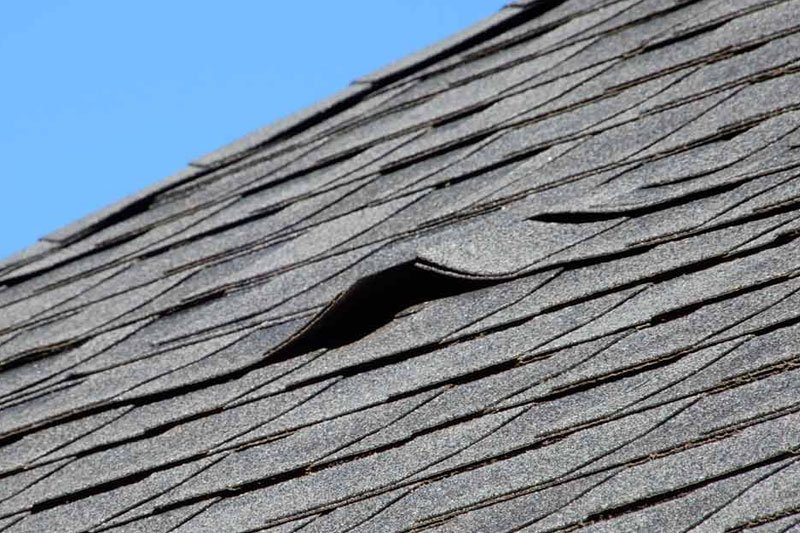
3. Shingles that look “off” once the snow is gone
When the roof is covered in snow, you can’t see what’s happening. When it clears, damage can be surprisingly visible from the ground if you know what to look for.
Walk around your house and look up. You’re looking for shingles that are:
- Missing entirely
- Lifted at the corners
- Curled edges
- Cracked or split
- Scuffed or bald spots where granules are gone
Why winter causes this:
Wind storms in winter can lift shingles when they’re brittle. Ice can pry edges up. Freeze thaw cycles can work like tiny repeated leverage. Also, people rake roofs or chip at ice dams and accidentally tear shingles. It happens all the time.
What it usually means:
- Higher risk of leaks during spring rain
- Underlayment might be exposed
- The shingle’s seal strip may be broken, meaning wind can lift it more easily later
If you see even one patch that looks out of place, don’t assume it’s cosmetic. A single lifted shingle can be the entry point for water.
4. Granules in gutters and downspouts (your roof is shedding)
This is one of those signs that feels small until it isn’t.
In spring, you clean your gutters and notice what looks like coarse black sand. Those are shingle granules. Some granule loss is normal over time, but if you suddenly see a lot after winter, pay attention.
Why winter causes this:
Ice scraping, thermal expansion, and physical stress from snow loads can accelerate granule loss. If shingles are aging, winter speeds up the breakdown.
What it usually means:
- Shingles are wearing out faster than they should
- Potentially hail damage (if you also had winter hail events)
- The roof may be nearing replacement sooner than expected
Granules protect shingles from UV. Losing them means your shingles will dry out, crack, and fail faster once summer sun hits.
5. Gutters pulling away, sagging, or overflowing in spring rain
Snow and ice are heavy. Gutters are not supposed to be weight bearing systems, but winter turns them into exactly that.
If you see sections of gutter that are sagging, separated at seams, or pulling away from the fascia, that’s often winter damage. Sometimes it’s subtle. A small gap behind the gutter. A corner that’s slightly lower than it used to be.
Why it matters for the roof:
Bad gutters can push water back onto the roof edge and fascia. That moisture can rot wood and contribute to ice dam formation next winter. Also, overflow can soak siding and foundations, so it’s not just a roof issue.
What it usually means:
- Ice or snow load bent the hangers
- Fascia board is rotting and fasteners have no bite
- Downspouts are clogged with winter debris
You may not notice until the first heavy spring rain. Then it’s a waterfall at the corner of the house.
6. Rusty flashing or loose metal around chimneys and vents
Flashing is the roof’s “detail work.” It’s also where a lot of leaks begin.
In spring, look for metal pieces that are:
- Rusted
- Lifted
- Bent
- Missing caulk or sealant
- Separating from brick chimneys or siding
Why winter messes with it:
Metal expands and contracts. Caulk becomes brittle. Ice can wedge into tiny gaps and push flashing up. And if you had ice dams, water can sit against flashing edges longer than normal.
What it usually means:
- Water intrusion risk around penetrations
- A slow leak that might already be staining decking
Chimney flashing is especially important because water loves chimneys. It just does. They are big vertical surfaces that catch wind driven rain.
7. A musty smell indoors that lingers after winter
This one doesn’t scream “roof” at first. It just feels like… the house smells damp.
If you notice a persistent musty odor in early spring, especially on upper floors, it can be a sign of:
- Hidden moisture in attic insulation
- Mold growth on roof decking
- Damp wall cavities near roof intersections
Why it shows up now:
Warmth activates smell. As materials dry and humidity shifts, odors become noticeable. Also spring is when you start opening windows and paying attention again.
If you smell something musty and you also see any ceiling staining, don’t wait. Moisture plus time equals mold. That timeline is shorter than people think.
8. Peeling paint or bubbling drywall near the top of walls
Sometimes the first visual sign isn’t a stain. It’s texture changes.
Look for:
- Paint bubbling
- Drywall tape separating
- Peeling along ceiling lines
- Soft spots when you press gently (don’t poke holes, obviously)
Why it happens:
Moisture gets into the drywall paper and the paint layer loses adhesion. When it dries, it doesn’t always go back to normal. It leaves ripples and bubbles like a bad wallpaper job.
What it usually means:
- Ongoing moisture issue, not just a one time drip
- Water traveling down a framing member
- Possible ice dam leakage along exterior walls
If you see bubbling plus staining, that usually means the area has gotten wet more than once.
In such cases, it's crucial to address the problem promptly. You might need to consider some repairs or even fixing peeling paint on windows if that’s where the issue lies.
9. Mold or dark streaks on soffits, fascia, or roof edges
Walk around the perimeter of your house and look at the roof edges. The soffit and fascia area tells a story.
Dark streaks, green algae, mold spots, and peeling wood can indicate that water has been overflowing or backing up at the eaves. This is common after ice dams.
Why it shows up in spring:
Meltwater and spring rain hit the same weakened spots. And once it’s warmer, biological growth becomes more visible.
What it usually means:
- Ice dam history and poor edge drainage
- Drip edge problems or missing edge protection
- Gutter issues that are soaking the wood
If fascia wood is soft or crumbly, that’s not a weekend paint fix. That’s replacement territory.
10. Roof looks uneven, wavy, or “saggy” in certain areas
This sounds dramatic, but you can sometimes spot it from the street after winter. A roof plane that looks slightly wavy, dips between rafters, or sags near the ridge.
Possible winter causes:
- Heavy snow load stressing the decking
- Long term moisture weakening plywood or OSB
- Structural issues that were already borderline, made worse by snow weight
What it usually means:
- Potential decking deterioration
- Possible attic ventilation and moisture problems
- In more severe cases, structural concerns
If you see sagging, don’t mess around with it. Get a professional to inspect it. Structural repairs get expensive fast, but ignoring them is how they get even more expensive.
11. You find shingles, nails, or bits of metal in the yard
When the snow melts, it reveals all the stuff winter knocked loose.
If you find shingle tabs, pieces of flashing, or roofing nails around the property, that’s not just debris. It’s evidence.
What it usually means:
- Wind damage
- Broken shingle seals
- Failing roof components that detached during freeze thaw cycles
Pick up the pieces, sure. But also look up and figure out where they came from.
12. Higher energy bills even though winter is ending
This is a sneaky one.
If your heating bills stayed weirdly high late into winter, or you notice your upstairs is hard to keep comfortable, your roof system might be part of the problem. Not the shingles exactly, but the attic environment.
Winter related roof system issues include:
- Wet insulation from leaks or condensation
- Compressed insulation from moisture
- Air leaks that dump warm air into the attic
- Poor ventilation that traps moisture and heat
In spring, when your house still feels drafty or inconsistent, it can be a clue that the attic took on water and the insulation isn’t performing.
A quick “first warm weekend” roof check you can actually do
No ladders if you’re not comfortable. No hero stuff.
Here’s a simple checklist:
- Walk the perimeter and scan shingles, roof edges, and gutters.
- Check downspout outlets during rain. Is water flowing or overflowing?
- Look at ceilings upstairs in daylight. Stains, bubbling, hairline cracks that look new.
- Peek in the attic if accessible. Smell first, then look for dark wood, damp insulation, moldy spots.
- Check around penetrations inside. Bathroom fan vents, chimney areas, skylight wells.
If anything feels questionable, take photos. Date them. It helps if you end up talking to a roofer or filing an insurance claim.
When to call a roofer (and when to call sooner)
Call a roofer if you see:
- Active leaking or fresh stains
- Multiple lifted or missing shingles
- Flashing that’s visibly loose
- Sagging roof lines
- Wet attic insulation
- Mold growth
Call sooner, like this week not later, if:
- Water is dripping
- Electrical fixtures are near the leak
- You have a chimney leak (they can escalate quickly)
- You suspect an ice dam caused interior wall wetness (hidden damage is common)
And if you are thinking, maybe I’ll wait until summer. That’s usually how a small repair turns into sheathing replacement. Spring is the window where you can still catch things before the next big storm season.
The annoying truth about winter roof damage
A lot of it is boring. Tiny gaps. Slight lifting. A little condensation.
But roofs fail in boring ways all the time.
So if your house made it through winter, great. Now do the part that actually protects that win. Look for the warm weather signs, fix the small stuff, and you’ll usually avoid the big ugly surprise leak that shows up during the first hard spring rain.
That’s the goal. Not perfection. Just staying ahead of it.
FAQs (Frequently Asked Questions)
Why do roof problems often become visible only after winter?
Winter creates stress on your roof through ice expansion, snow loads, freeze-thaw cycles, ice dams, and attic condensation. These stresses cause hidden damage that remains unnoticed during cold months because leaks can freeze and pause. When spring arrives and temperatures rise, the ice melts, water moves again, and damage like water stains or leaks becomes visible.
What are common signs of winter roof damage to look for in spring?
After winter, watch for water stains on ceilings or walls, drips or wet spots in the attic (especially near nails), shingles that appear lifted, curled, cracked or missing, and granules accumulating in gutters and downspouts. These signs indicate compromised shingles, flashing failure, ice dam damage, poor attic ventilation, or roof shedding.
Why do water stains appear on ceilings or walls after winter?
Small roof leaks may freeze during cold weather and remain hidden under snow cover. When temperatures rise in spring, melting ice allows water to travel through damaged shingles or flashing and show up as yellowish or brownish rings on ceilings or walls. Stains may not always be directly under the leak due to water traveling along framing.
How can I check my attic for winter-related roof issues?
In early spring, safely access your attic with a flashlight to look for wet or darkened wood, damp insulation, moldy smells, and moisture beads on nail tips. These signs indicate poor attic ventilation, air leaks from the house into the attic, or a quiet roof leak soaking decking.
What does finding shingle granules in gutters mean after winter?
Granule loss is normal over time but a sudden increase of coarse black granules in gutters after winter suggests your roof is shedding more than usual. This can be caused by ice damage weakening shingles during freeze-thaw cycles and indicates accelerated wear that may lead to leaks if not addressed.
Why is prompt attention to post-winter roof damage important?
Addressing roof damage promptly in spring prevents small issues from escalating into costly repairs like full roof replacements. Early detection of signs such as water stains, lifted shingles, attic moisture, or granule loss allows timely professional assessment and repair to maintain your roof's integrity and protect your home.
