11 Signs Your Indianapolis Home Needs a Roof Check
11 Signs Your Indianapolis Home Needs a Roof Check
11 Signs Your Indianapolis Home Needs a Roof Check
The Indianapolis weather has a way of “testing” your roof without asking permission. One week it’s heavy rain and wind, the next it’s hail, then a deep freeze, then a random 55-degree day that melts snow just enough to refreeze at night.
If you own a home here, a roof problem rarely announces itself with a dramatic hole in the ceiling. It usually starts small: a faint water stain, a shingle that shifted, a gutter that suddenly overflows. And by the time it feels urgent, the fix is often bigger and more expensive than it needed to be.
A roof check is not the same thing as being told you need a whole new roof. A proper inspection is about catching issues early, understanding what’s normal aging versus storm damage, and making sure your roof is still doing its job: keeping water out, managing ventilation, and protecting the structure underneath.
Below are 11 clear signs your Indianapolis home should get a roof check soon.
1) You notice water stains on ceilings or walls
This is the classic sign, but it’s also the one people misread the most.
A yellow or brown stain on a ceiling does not always mean the leak is directly above that spot. Water can travel along rafters, decking, or insulation before it finally shows up inside. In Indianapolis homes, I often see leaks that originate around:
- Pipe boots (plumbing vents)
- Chimney flashing
- Valleys (where two roof planes meet)
- Skylight edges
- Roof-to-wall transitions
If you see staining, peeling paint, bubbling drywall, or damp trim, schedule a roof check. Even if the stain looks “old,” it’s worth verifying the source.
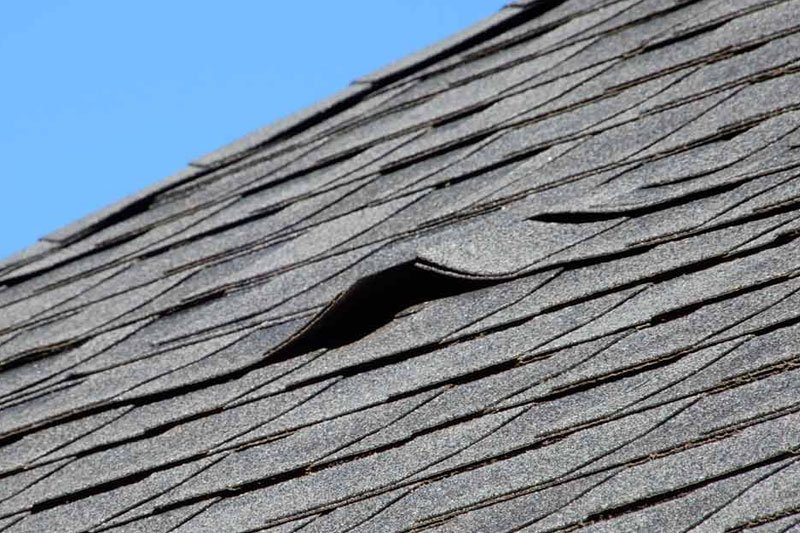
2) Shingles are missing, curling, cracking, or look “wavy”
Stand across the street and look at your roofline. If the surface looks uneven, rippled, or patchy, something is probably going on.
Here’s what specific shingle symptoms often mean:
- Missing shingles: wind damage or aged adhesive strips
- Curling edges: aging, poor ventilation, or repeated heat cycles. You can read more about the steps that lead to shingle curling here.
- Cracking: UV aging, temperature swings, or impact damage
- Wavy appearance: decking issues, moisture, or previous improper installation
Indianapolis gets enough freeze-thaw cycles that small shingle problems can become bigger fast. A roof check can tell you whether it’s a small repair, a ventilation adjustment, or a sign your roof is nearing end of life.
3) You find granules in your gutters or at downspout exits
Asphalt shingles shed granules over time. A little is normal, especially in the first year after installation and later near the end of the roof’s life.
What’s not normal is sudden, heavy granule loss, or gutters that look like they’re filled with coarse black sand.
Granules protect shingles from sun and weather. When they’re gone, shingles age faster and become more vulnerable to cracking, hail bruising, and water intrusion.
If you’re cleaning gutters and notice a lot of granules, treat it like an early warning sign and get a roof check scheduled.
4) Your roof is 10+ years old and you haven’t had it inspected recently
In Indianapolis, many asphalt shingle roofs last somewhere around 15 to 25 years depending on shingle quality, ventilation, installation, and storm exposure. But you do not need to wait until year 20 to start paying attention.
A practical rule:
- At 10 years: inspect every 1 to 2 years
- After major storms: inspect sooner
- At 15+ years: inspect annually
Even if everything “looks fine,” a roof check can catch early flashing issues, nail pops, sealant failures, or soft decking before they become interior damage.
5) Your energy bills rise for no obvious reason
This one surprises homeowners, but it’s real. Roof issues can show up as comfort problems before they show up as leaks.
If your heating and cooling costs are climbing and nothing else changed (same HVAC habits, same family size, same thermostat settings), a roof check can help identify:
- Poor attic ventilation trapping heat in summer
- Insulation that’s damp or compressed from small leaks
- Air leakage near attic penetrations
- Exhaust fans venting improperly into the attic
Indianapolis summers can be humid and hot, and winters can be brutally cold. A roof that isn’t ventilating correctly can make both seasons more expensive.
6) You see sagging areas, dips, or a “soft” look along the roof plane
A roof should look straight and consistent. If you notice sagging or a dip, do not ignore it.
Possible causes include:
- Moisture-damaged decking
- Structural issues in rafters or trusses
- Long-term leaks around a valley or chimney
- Excess weight from ice or snow (or multiple roofing layers)
If you ever feel uncertain about a sagging section, get it checked sooner rather than later. This is one of those signs where “waiting to see” can turn into a major repair.
7) Your attic smells musty or you see mold-like growth
A musty attic smell usually indicates that moisture is lingering where it shouldn’t.
In Indianapolis, attic moisture issues can arise from:
- Roof leaks (even small, slow ones)
- Bath fan ducts disconnected or venting into the attic
- Blocked soffit vents
- Inadequate ridge venting
- Frost buildup in winter that melts and dampens insulation
If you notice dark staining on wood, fuzzy growth on sheathing, or rusty nails, it’s time for a roof check. The goal is to find the moisture source, not just treat the symptom.
8) After a windstorm, you spot lifted shingles or debris in the yard
Spring and summer storms in Central Indiana bring gusty winds that can lift shingles just enough to break their seal. You might not see missing shingles immediately. Instead, you observe:
- Shingle corners slightly raised
- Random roofing debris in the yard
- Shingles that look “misaligned” compared to surrounding courses
Wind-lifted shingles can allow water to enter during the next heavy rain. If your neighborhood recently experienced such a storm, it’s wise to schedule a roof check even if your home “seems okay.”
9) After hail, you see dents on vents, gutters, or downspouts
If hail was large enough to dent soft metals, it was large enough to damage shingles too.
Hail damage isn’t always obvious from the ground. On asphalt shingles, hail often causes:
- Bruising (soft spots) that compromise the mat under the granules
- Granule displacement exposing asphalt
- Cracks that show up later after temperature swings
A roof check after hail is especially important if you’re considering an insurance claim because documentation matters and timing can be crucial. It's also worth noting that roof blistering vs hail damage can sometimes be confused, so professional assessment is advised to accurately determine the type of damage incurred.
10) Flashing looks loose, bent, or separated near chimneys and walls
Flashing is the metal (and sometimes membrane) that seals edges where the roof meets something else. In real life, most leaks happen at these transitions, not in the middle of a shingle field.
Common Indianapolis leak zones include:
- Chimneys (step flashing, counter flashing)
- Dormer sidewalls
- Roof-to-wall areas behind gutters
- Porch tie-ins
- Skylights and roof vents
If you see lifted flashing, gaps, rusty metal, or missing sealant, a roof check can confirm whether it’s a simple repair or a sign of deeper water intrusion.
11) You’ve had ice dams, icicles, or winter leaking
Indianapolis winters can create the perfect conditions for ice dams: snow melts on warmer upper roof areas, runs down, refreezes at colder eaves, and blocks drainage. Water backs up under shingles and finds its way inside.
Signs you’ve had (or may soon have) ice dam issues:
- Thick icicles along gutters and eaves
- Water staining on exterior soffit or fascia
- Leaks that only appear during thaw cycles
- Gutter sections pulling away from the house due to ice weight
A roof check in late winter or early spring can pinpoint ventilation issues, insulation gaps, and underlayment weaknesses that contribute to ice dams.
Not all “inspections” are equal. A thorough roof check typically includes:
- Visual inspection of shingles, ridges, hips, and valleys
- Flashing inspection around chimneys, walls, vents, skylights
- Gutter and drainage review (including downspout flow)
- Attic check for ventilation, moisture, and insulation concerns
- Documentation of any storm-related damage (photos help)
- Clear explanation of repair options and urgency level
If someone jumps straight to “you need a full replacement” without showing you specific issues, ask questions. A roof check should leave you more informed, not pressured.
A simple schedule that works for most homes here:
- Once per year as routine maintenance
- After major wind or hail storms
- Before listing your home for sale
- After buying a home, even if the seller said the roof is “fine”
If your roof is older, inspections should be more frequent because small weaknesses show up faster with our seasonal swings.
How much does a roof check cost in Indianapolis?
Many reputable roofing companies offer inspections at low cost or no cost, especially after storms. The best approach is to ask what’s included and whether you’ll receive photos and a written summary.
How long does a roof inspection take?
For most single-family homes, a roof check often takes 30 to 90 minutes, depending on roof complexity and whether the attic is accessible.
Can I do a roof check myself from the ground?
You can spot obvious issues like missing shingles or sagging, but you will miss subtle hail bruising, small flashing gaps, and early seal failures. A professional inspection is safer and more complete.
What time of year is best for a roof check in Indianapolis?
Spring and fall are ideal, but the best time is right after you notice a sign (leak, granules, storm damage). Waiting can turn a repair into interior damage.
Will a roof check tell me if I need a full replacement?
A good roof check should tell you whether you need minor repairs, targeted fixes, or replacement, and why. It should also point out ventilation and moisture issues that affect roof lifespan.
What should I do if I think I have storm damage?
Take photos from the ground if you can do it safely, note the storm date, and schedule a roof check soon. If insurance is involved, documentation and timing help.
Are leaks always caused by shingles?
No. Many leaks come from flashing, vent boots, skylights, clogged gutters, or ice dam conditions. That’s why an inspection should focus heavily on transitions and penetrations.
If you recognize even one or two of these signs, a roof check is a smart next step. It’s one of the few home maintenance tasks that can prevent both structural damage and expensive surprises, especially with the way Indianapolis weather likes to behave.
