Indiana Wind Damage: Is Your Roof Covered?
Indiana Wind Damage: Is Your Roof Covered?
Indiana Wind Damage: Is Your Roof Covered?
Wind in Indiana is indeed peculiar.
It's not always the headline-grabbing tornado that causes havoc. A significant portion of roof damage here stems from more routine weather events. Straight line winds, spring squalls, those summer storms that roll in unexpectedly, and the winter gusts that displace ice like it's nothing. You wake up, glance outside, and something feels amiss. A shingle lying in the yard. A gutter that's hanging off. A wet spot on the ceiling that definitely wasn't there yesterday.
Then comes the pressing question.
Is your roof covered by insurance? Or are you about to bear the cost yourself?
This guide aims to assist you in navigating this situation in 2026, using straightforward language devoid of industry jargon. We'll discuss what most Indiana homeowners policies typically cover, what they often exclude, how deductibles can alter expectations, and the immediate steps to take after a wind event to avoid jeopardizing your claim.
The short answer most people hate hearing
Wind damage is usually covered.
However, this coverage applies only if the damage is a result of a covered event and not excluded for another reason. It also requires that the roof wasn't already failing, worn out, or improperly installed. Furthermore, you'll need to provide evidence of what happened, when it happened, and what repairs are necessary.
So yes, wind damage coverage is commonly available. The real challenge lies in the details.
If you're facing roof damage due to these unpredictable winds, consider reaching out to Honest Abe Roofing, a reliable roofing service in Indianapolis that can help assess and repair your roof efficiently.
What counts as wind damage on a roof in Indiana
When people say wind damage, they usually mean shingles. But insurers and adjusters are looking at a bigger list, like:
- Missing shingles, tabs, or ridge caps
- Creased shingles or lifted edges (the ones that bend and do not lay flat again)
- Exposed nail heads, popped nails, or shifted shingle courses
- Damaged flashing around chimneys, vents, skylights
- Damaged gutters, drip edge, fascia, soffit
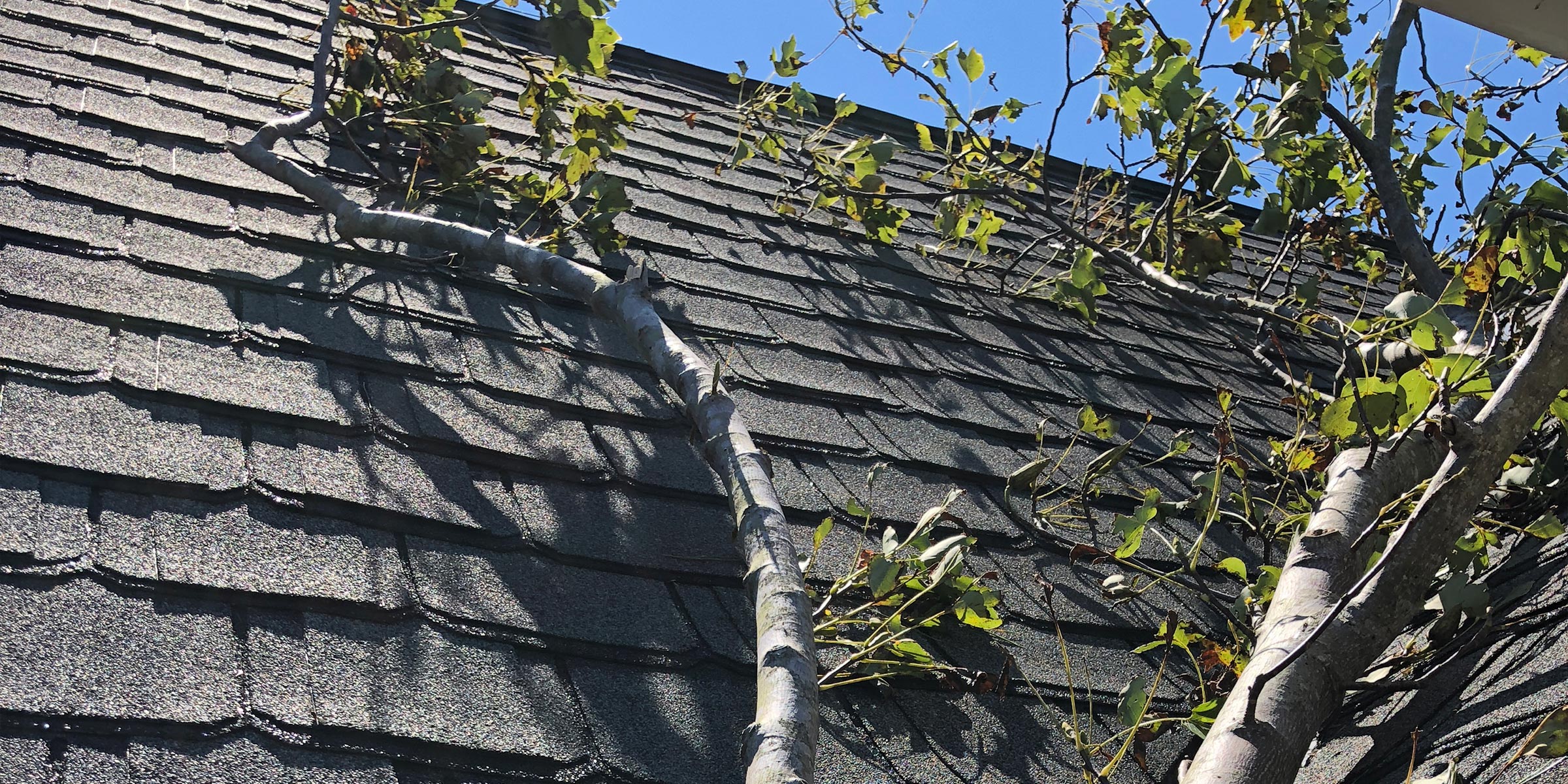
- Tree or branch impact that breaks roofing materials
- Wind driven debris that punctures the roof
- Wind driven rain that gets in through storm created openings
That last part matters. A lot.
Wind driven rain is typically covered when the wind creates an opening first. If rain comes in because your roof was already worn out and leaky, that is where claims get denied or limited.
The policy parts that decide your roof coverage
You can think of a roof claim like a three part test.
1) Is wind a covered peril on your policy
Most standard homeowners policies in Indiana list wind as covered. But you still need to check your declarations page and policy form. Some policies carve out special rules for wind or hail. Some endorsements change the payout on older roofs.
2) Is the roof damage sudden and accidental
Insurance is not a maintenance plan. If the insurer thinks the roof failed due to age, deterioration, improper installation, or ongoing wear, they will argue it is not covered.
This is the most common argument you will see in Indiana wind claims.
3) What settlement type applies to your roof
This is where people get surprised.
- Replacement Cost Value (RCV): insurer pays to replace with like kind and quality, typically in two payments. First ACV, then recoverable depreciation after work is done.
- Actual Cash Value (ACV): insurer pays the depreciated value only. Older roofs can get a low payout.
- Roof payment schedule or limited roof endorsement: some carriers reduce roof payouts based on age, even if the rest of the house is RCV. This has been more common over the last few years, and it is still a thing in 2026.
If you are not sure which one you have, look at your declarations page for wording like RCV, ACV, or any endorsement mentioning roof surfacing or cosmetic limitations.
Your deductible might be the real reason nothing feels covered
Even when the claim is legitimate, your deductible can make the payout feel like a denial.
In Indiana, many homeowners policies have:
- A flat deductible, like $1000 or $2500
- A percentage deductible for wind or hail, often 1 percent to 5 percent of the dwelling coverage limit
Percentage deductibles can be brutal. If your dwelling is insured for $300,000 and you have a 2 percent wind deductible, that is $6000 before insurance pays a dime.
And here is the part people miss. The deductible applies to the covered loss, not your final contractor invoice. So if the adjuster writes $8,500 and your deductible is $6,000, you are looking at $2,500 from insurance. That is still technically covered. It just does not feel like it.
Common reasons Indiana roof wind claims get denied or reduced
This is the reality check section. These are the patterns that show up again and again.
Wear and tear, aging, and brittle shingles
If shingles are old and brittle, wind can reveal the weakness, but insurance will often label the failure as deterioration. Older three tab shingles are especially controversial.
No storm created opening
If the interior leak is the main complaint and the roof does not show clear wind damage, insurers may say the water entered through existing weak points.
Improper installation or poor ventilation
Nailing patterns, underlayment problems, inadequate attic ventilation, wrong flashing details. These can all become the excuse. Sometimes it is legit. Sometimes it is just the insurer taking a swing.
Pre existing damage
If there were already missing shingles, prior patch jobs, or old leaks, the insurer may separate what is old versus new and only pay for the new part.
Cosmetic damage limitations
Some policies exclude cosmetic damage to metal roofs or certain roof systems. The roof may look dented or scuffed, but if it still sheds water, the insurer argues no functional damage.
Wind claims can run into similar issues if the carrier says the damage is only appearance related. Less common than hail, but it happens.
Too little damage to justify a full replacement
This is the huge one. Your contractor says replace. The adjuster says repair.
The insurer is not obligated to replace the entire roof just because some shingles are damaged. They pay what the policy requires. The real question becomes whether a repair is reasonable, matches, and restores the roof to pre loss condition. Matching laws and policy language matter a lot here, and it can get technical fast.
Repair versus replacement, the matching problem, and why it turns into a fight
If you have a roof that is 10 to 20 years old, matching becomes a mess. Even if you can technically find the same brand, the color has faded. The shingle line might be discontinued. The texture might not match. Repairs can look terrible. And if the roof is steep or complex, repairs can be risky.
Insurers often start with a repair scope. Homeowners want replacement. Contractors want replacement because it is cleaner and more reliable.
What helps is evidence.
- Photos showing lifted shingles, creases, missing tabs
- Photos of wind direction indicators, like consistent damage patterns on slopes facing the storm
- Manufacturer documentation if the shingle is discontinued
- A contractor letter explaining why spot repair fails to restore function or warranty
- Code requirements, especially if you hit thresholds that trigger code upgrades
Also, sometimes the roof is repairable, and replacing it would be overkill. That is true too. The goal is not to win an argument. The goal is a roof that does not leak, does not fail in the next storm, and is paid fairly under the policy you bought.
What about the rest of the damage, gutters, siding, fence, detached garage
Wind events rarely stop at the roof.
Most homeowners policies also cover wind damage to other structures and exterior components, subject to your deductible and coverage limits:
- Gutters, downspouts, fascia, soffit
- Siding damage from wind blown debris
- Window screens and shutters (sometimes limited)
- Fences (often covered under other structures, depreciation may apply)
- Detached garages or sheds (other structures coverage)
- Personal property damaged by water intrusion, depending on cause and coverage
The catch is still the same. Insurance likes sudden and accidental. Not old and rotting.
What to do right after a windstorm in Indiana (so you do not ruin your claim)
You do not need to be dramatic. You just need to be consistent.
1) Document first, then protect
Take photos and video before you move anything, if it is safe.
- Wide shots of the whole home, each elevation
- Close ups of shingles, flashing, gutters, tree impacts
- Interior ceiling stains and active leaks
- Weather screenshots, local storm reports if you can find them
Then do temporary protection. Tarping, covering a broken window, stopping active water. Most policies require you to mitigate further damage. Keep receipts.
2) Do not climb a wet or steep roof
This sounds obvious until it is 7 am and you are angry and you want to see. Do not. Use binoculars or a phone zoom from the ground. If you need a roof inspection, hire someone insured.
3) Call your insurer and start the claim if damage is real
If you have visible damage or an interior leak from a storm created opening, report it. Do not wait months. Indiana policies vary, but late reporting gives insurers room to argue the damage happened later.
4) Get a reputable roofing contractor to inspect
You want a detailed inspection with photos. You do not want someone who promises a free roof in exchange for signing everything away. In 2026, the good contractors are still busy, but the good ones also document well.
5) Be careful with paperwork
Two things to watch for:
- Assignment of Benefits: can transfer claim rights. Not always bad, but do not sign it casually.
- Contingency agreements: common in storm restoration. Read the cancellation terms and what you owe if insurance denies or underpays.
If you do not understand a form, pause. Ask. Take a day.
How the claim process usually goes
A normal wind claim timeline looks like this:
- You file the claim and provide basic details
- Adjuster schedules an inspection
- Adjuster inspects roof and exterior, sometimes interior
- Insurer issues an estimate and explains settlement type and deductible
- If you have RCV, you often get an initial ACV payment first
- Repairs or replacement happens
- You submit final invoice and recoverable depreciation, if applicable
Where it goes sideways:
- Adjuster misses damage or calls it wear and tear
- Scope is too small, like 6 shingles when the slope is clearly compromised
- Pricing is low compared to real contractor costs
- Code upgrades are ignored until you push
- Communication drags out
The best thing you can do is stay organized. Keep a simple folder. Photos, receipts, emails, claim notes, contractor reports.
Code upgrades in Indiana, and why your policy might or might not pay for them
Roof work can trigger building code requirements. Things like:
- Ice and water shield requirements in certain conditions
- Drip edge standards
- Ventilation adjustments
- Decking replacement if rotten or spaced wrong (this one is tricky)
Whether insurance pays for code upgrades depends on whether you have Ordinance or Law coverage, and how the claim is written.
If you do not have it, you may pay the code portion yourself even if the storm damage is covered.
This is one of those coverages people skip to save a few bucks, then regret it when the roof needs more than just shingles.
Tree damage from wind, covered or not
If a windstorm knocks a tree onto your roof, the roof damage is usually covered as wind or falling object, depending on the policy.
But removal of the tree can be limited. Some policies cover debris removal up to certain limits. Some cover removal only if the tree damages a covered structure. Some cap how much they pay for hauling and disposal.
So if a tree falls in your yard and misses everything, the cleanup might not be covered. If it crushes your roof, more likely yes, at least for the portion tied to repairing the home.
A quick way to sanity check your situation
If you are standing in your driveway staring at a roof and trying to guess, here is a simple checklist.
You are more likely covered if:
- Damage happened right after a known storm
- Shingles are missing or creased, not just old looking
- There is damage on multiple shingles in consistent wind patterns
- There is a clear impact point from debris or branches
- Water intrusion began right after the storm and you can show the path
- Your deductible is not eating the entire estimate
You are more likely to struggle if:
- Roof is near end of life and already curling or granule depleted
- Leak existed before the storm
- Damage is isolated and could be foot traffic or old repairs
- Policy has ACV roof settlement or an age based roof schedule
- You waited a long time to report it
That does not mean you should not file. It just means you should expect questions.
How to talk to your insurer without making it worse
You do not need to be combative. But you should be specific.
Good phrasing is factual:
- “After the windstorm on [date], we found missing shingles on the north slope and water staining began in the living room ceiling.”
- “We installed a tarp on [date] to prevent additional water damage. Receipts attached.”
- “Contractor inspection attached with photos of creased shingles and damaged flashing.”
Avoid guessing causes you are not sure about. Like saying your roof is totaled. Or that it has been leaking for years. Just stick to what you observed and what changed after the storm.
FAQs
Is wind damage to my roof covered in Indiana?
Usually, yes. Most homeowners policies in Indiana cover wind as a peril. Coverage still depends on your policy type, deductible, roof condition, and whether the insurer believes the damage is storm related rather than wear and tear.
Will insurance pay to replace my whole roof after wind damage?
Sometimes. If the damage is extensive enough that repair is not reasonable, or matching and functional restoration require broader replacement, it can happen. Many claims start as repair only, and replacement becomes a negotiation based on evidence and policy language.
What if my roof is old, will wind damage still be covered?
It can be, but older roofs are more likely to be settled on an ACV basis or reduced by roof age endorsements. Insurers also argue deterioration more often with older shingles. Documentation and a clear storm timeline matter more.
Does homeowners insurance cover wind driven rain leaks?
Often only if the wind created an opening first, like missing shingles or damaged flashing. If water came in through pre existing wear, the insurer may deny the interior water portion.
What is a wind or hail deductible and how does it work?
Some Indiana policies use a percentage deductible for wind or hail, based on your dwelling coverage limit. For example, 2 percent of a $300,000 dwelling limit is a $6,000 deductible. The insurer pays only after that amount is applied.
How long do I have to file a wind damage roof claim in Indiana?
Policies vary. Some have specific time limits for reporting storm damage. Practically, the sooner the better, because late reporting gives insurers room to argue the damage happened later or worsened due to lack of mitigation.
Should I get my roof tarped before the adjuster comes?
Yes, if there is active leaking or an obvious opening and it is safe to do so through a professional. Take photos first. Most policies require you to prevent further damage, and tarping receipts can be reimbursable.
Can my claim be denied if my contractor says it is wind damage but the adjuster disagrees?
Yes. Contractor opinions help, but the insurer makes the coverage decision. If you disagree with the adjuster scope, you can request a reinspection, provide more documentation, or use dispute options in your policy like appraisal, depending on the situation.
Does insurance cover gutters and siding damaged by wind?
Often, yes, if the damage was caused by wind or wind blown debris and is not excluded. It will still be subject to your deductible, and settlement may involve depreciation depending on your coverage.
What should I do first if I suspect wind damage on my roof?
Document with photos, prevent additional damage, and schedule a professional inspection. If the damage is real and recent, contact your insurer to start the claim and keep all notes, receipts, and inspection reports organized.
