Indy Wind Gusts: What They Do to Your Roof (2026)
Indy Wind Gusts: What They Do to Your Roof (2026)
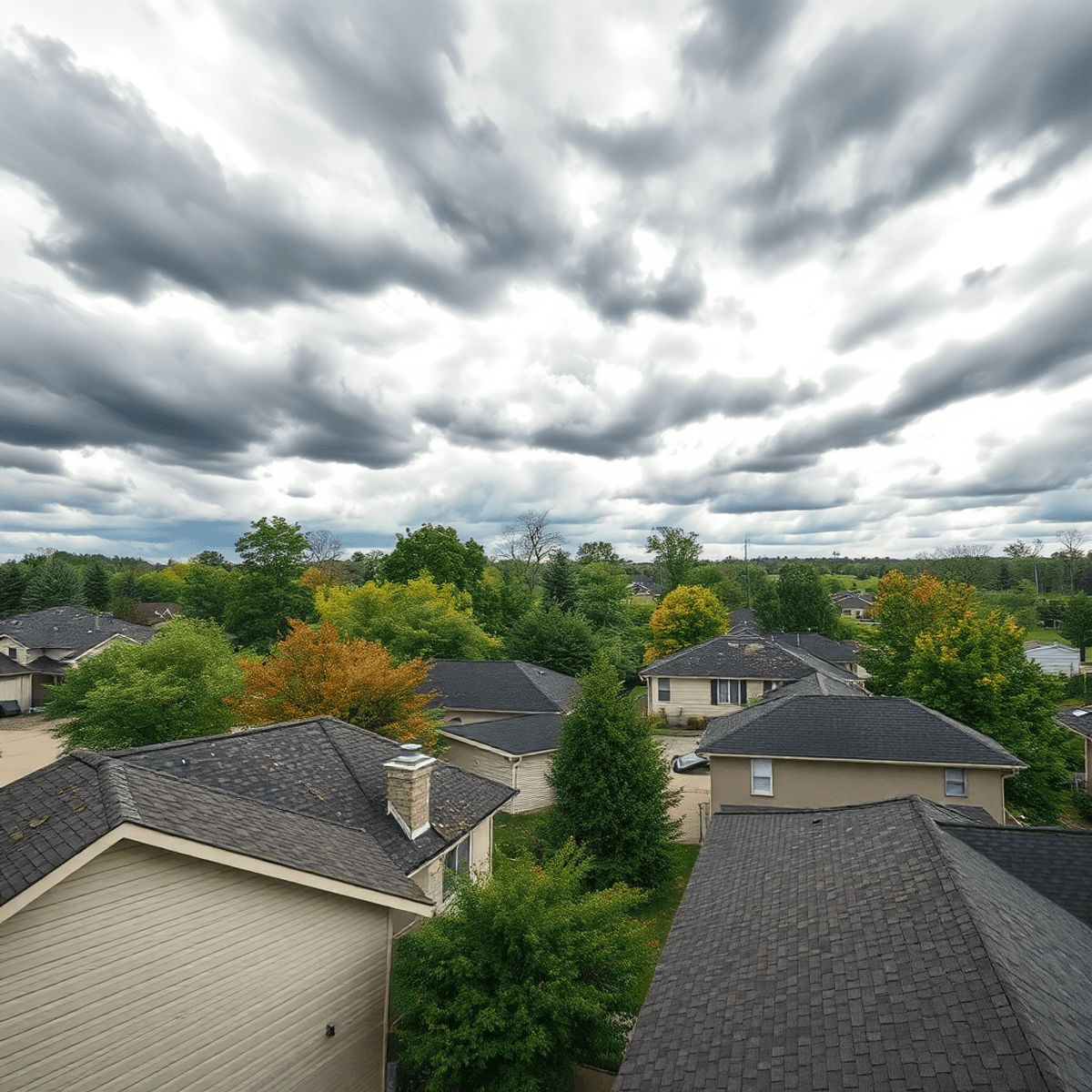
Indy Wind Gusts: What They Do to Your Roof
Indianapolis has a special talent for feeling totally calm at 2:00 p.m., then throwing a line of storms, a fast-moving cold front, a derecho, or even a winter squall at your neighborhood by dinner.
And when people say, “It was only windy for a few minutes,” that is exactly the problem. Roofs usually fail from gusts, not from steady wind.
Below is a practical, Indy-specific guide to what wind gusts actually do to your roof, the damage patterns we commonly see, what you can safely check from the ground, and when it’s time to call roofing contractors in Indianapolis.
Why Indy wind gusts hit roofs harder than people expect
A lot of homeowners picture wind damage as one dramatic moment where shingles rip off and go flying. That does happen, but most roof problems start smaller.
Wind gust vs sustained wind (why gusts are the real shingle-rippers)
- Sustained wind is the average wind speed over a period of time.
- A wind gust is a short burst that spikes higher than the sustained wind.
That spike matters because roofing materials (especially asphalt shingles) depend on seal strips and fasteners that can handle normal pressure, but not repeated “snap” forces that pry up edges.
The chain reaction that turns one lifted edge into a bigger failure
Wind damage often follows a predictable progression:
- A gust lifts a shingle edge or ridge cap.
- The seal strip breaks (or weakens).
- The next gust pushes more wind under the shingle.
- The shingle creases, loosens, or blows off.
- The problem spreads across the slope, especially at edges and corners.
What you can check yourself vs when to call a pro
You can do a safe, ground-based scan and an attic check (we’ll cover that). But if you see missing materials, lifted edges, or any active leak, it’s time to call roofing contractors in Indianapolis. Wind damage is one of those issues that gets more expensive the longer it sits.
What wind actually does to a roof (the physics in plain English)
Wind doesn’t just “push” on a roof. It creates pressure differences that try to peel the roof system apart.
Uplift: the roof is being pulled up, not pushed down
When wind flows over a roof, it can create:
- Negative pressure above the roof (like suction).
- Positive pressure inside the attic if air is forced in through soffits, gable vents, or leaks in the building envelope.
That combination increases uplift forces. Think of it like trying to lift a lid while air pressure underneath is pushing up.
Why damage starts at edges, corners, and penetrations
Roofing standards treat the roof as zones, and the most vulnerable areas are typically:
- Rakes and eaves (edges)
- Corners
- Ridges and hips
- Around penetrations like pipe boots, vents, skylights, chimneys
These areas see more turbulence and pressure changes, so they fail first.
Wind-driven debris: punctures, scuffs, and granule loss
In Indy, wind events are often mixed with:
- Tree limbs and seed pods
- Patio furniture and yard debris
- Hail or small hard debris in thunderstorms
Even if your shingles don’t blow off, debris impacts can knock granules loose, weaken the asphalt mat over time, or crack plastics on vents and skylights.
Why repeated smaller gusts can be worse than one big blast
One extreme gust can cause obvious damage, but multiple gusty days can quietly do more harm:
- Seal strips loosen a little at a time
- Nails back out microscopically
- Flashing sealant cracks
- Ridge caps fatigue
By the time you notice a leak, the “event” might be days or weeks in the past.
Common wind-damage patterns we see on Indianapolis homes
Wind damage has a few repeatable “looks.” Here’s what often shows up after gusty weather in Indianapolis.
For commercial properties, it's important to understand that the effects of wind can be even more severe. Hurricane winds for instance, can cause extensive damage if proper precautions aren't taken.
Asphalt shingles
Common patterns include:
- Lifted tabs (they look slightly raised or uneven)
- Missing shingles
- Creased shingles (a bend line where the tab folded up and slammed down)
- Exposed nails from slipped shingles or failed caps
- Ridge-cap blow-offs along the peak
Creased shingles are a big deal because even if they’re still “there,” that crease can become a water entry point. Understanding these common issues can be crucial for homeowners, especially when dealing with asphalt roofing which is a popular roofing choice.
Flashing failures
Wind loves to exploit weak flashing and sealant points:
- Chimney or wall flashing pulled up at an edge
- Cracked or split vent boots
- Sealant gaps around pipes and penetrations
- Metal drip edge that’s bent or loosened
Underlayment and decking problems (often seen later)
After a wind event, you might not see interior symptoms right away. But later you may discover:
- Soft spots in decking
- Staining on roof sheathing in the attic
- Water trails around nails
Soffit and fascia damage
Wind can dislodge soffit panels or stress fascia boards, and that becomes an attic moisture problem fast:
- Panels pop loose and allow wind-driven rain in
- Fascia pulls away, weakening gutter attachment points
Skylights and roof vents
Look for:
- Cracked plastic domes
- Warped vent bases
- Loose fasteners
- Gaps under flanges where water can be driven in
Wind + rain in Indy: why leaks show up days later
One of the most frustrating things about wind damage is that the leak might not appear during the storm. It often shows up later.
Wind-driven rain gets under “intact” shingles
If shingles are lifted but not missing, rain can still be driven:
- Under the lifted edge
- Sideways behind flashing
- Up-slope under ridge caps in extreme gusts
Delayed symptoms to watch for
In the days after a windy rain, look for:
- Ceiling stains that slowly expand
- Musty smells in closets or upper rooms
- Dripping around bath fans or vent ducts
- Peeling paint or bubbling drywall tape
The winter factor: wind + snow + freeze-thaw
Indianapolis winter events add another layer:
- Wind-blown snow can infiltrate small gaps
- Meltwater finds pathways
- Freeze-thaw cycles widen cracks and split old sealant
Why “small” leaks matter
Even minor intrusion can cause:
- Wet insulation (lower R-value, higher energy bills)
- Mold risk
- Deck rot
- More expensive repairs later, because the fix becomes structural
How Indy wind gusts damage gutters (and why that becomes a roofing problem)
Gutters are part of the roof system, even if they don’t feel like it. When gutters fail, roof edges often follow.
Gutters can act like a sail
Gusts can loosen:
- Spikes, screws, and hangers
- End caps and seams
- Fascia boards that the gutter is attached to
Once a section pulls away, water handling at the eave gets worse immediately.
Clogs + gusts = water pushed where it shouldn’t go
If gutters are clogged, wind-driven overflow can be pushed back toward the roof edge and under shingles at the eave, especially if:
- Drip edge is missing or poorly integrated
- Ice and water shield coverage is limited
- Fascia is soft or rotted
Downspout blowouts and disconnected elbows
High gusts can disconnect elbows, bend downspouts, or pop brackets. That leads to:
- Foundation splashback
- Siding stains
- Basement moisture issues
What to look for
From the ground, check for:
- Sagging gutter runs
- Separated seams
- Missing hangers
- Fascia rot behind the gutter line
- Shingle granules collecting in downspout outlets
When to call gutter pros vs a quick DIY fix
If it’s a single loose hanger and you can reach it safely from a stable ladder with a spotter, minor re-attachment may be doable. But if you see fascia damage, long sections pulling away, or water getting behind the gutter, call gutters pros in Indianapolis. The repair often needs carpentry and proper re-fastening, not just “putting it back.”
Commercial roofs in Indianapolis: different systems, different wind failures
Commercial roofs deal with wind differently because many are low-slope systems with large, open perimeters and lots of rooftop equipment.
The low-slope reality: scouring and flutter
Wind can cause:
- Membrane “flutter” that stresses seams
- Scouring that displaces ballast or surfacing
- Edge metal movement that opens termination points
TPO, PVC, EPDM
Common wind-related failures include:
- Edge termination failure (the perimeter is everything on these roofs)
- Punctures from debris
- Adhesive loss or seam stress
- Flashing failures around rooftop units and penetrations
Modified bitumen and BUR
Watch for:
- Lifted laps
- Gravel displacement (for gravel-surfaced BUR)
- Blisters that later open and leak after temperature swings
Roof-mounted equipment is a frequent leak source
After gust events, check:
- RTU curbs and counterflashing
- Hatches
- Vent stacks and pipe penetrations
- Conduit supports that shifted
Documentation matters for businesses
For commercial properties, treat it like an incident report:
- Photos on day one
- Notes on when leaks appeared
- Temporary mitigation (tarping, interior protection)
- Contractor findings and repair timeline
That paper trail helps with maintenance planning and, when applicable, insurance.
Quick self-check after a windy day (safe, ground-based)
Stay off the roof. Seriously. A lot of storm-season injuries happen during “quick looks.”
Safety first
- Use binoculars or your phone zoom
- Walk the perimeter and check from multiple angles
- If you need a ladder for gutters, use a spotter and avoid wet/windy conditions
What to look for from the ground
Scan for:
- Missing shingles or ridge caps
- Creased shingles (you may see uneven lines or shadowing)
- Bent or lifted flashing
- Debris impact marks
- Exposed underlayment (often looks like black felt or synthetic sheet)
Check the attic (this is where you find the “invisible” damage)
Bring a flashlight and look for:
- Daylight through decking
- Wet insulation or matted areas
- Stains around chimneys, vents, and valleys
- Strong drafts that weren’t there before
Gutters and downspouts
Look for:
- Pulls and gaps
- Evidence of overflow (staining under the gutter line)
- Granules collecting in downspout outlets
- Splashback zones near the foundation
What to photograph for a roofing inspection
Get:
- Wide shots of each slope
- Close-ups of suspicious areas (zoom is fine)
- Gutter sections pulling away
- Attic stains and wet insulation
- A note of date/time and which side of the house you were on
This saves time when a roofing company in Indianapolis shows up and helps you compare “before and after” once repairs are done.
When wind damage becomes urgent (don’t wait)
Some wind damage is annoying. Some is urgent. Here are the red flags.
Red flags that need same-week help (or sooner)
- Active leaking inside
- Tree or branch impact, even if it looks minor
- Sagging roof areas
- Large sections missing shingles or ridge caps
- Loose flashing flapping in the wind
- Wet electrical areas in the attic (wires, junction boxes, fixtures)
Temporary steps until help arrives
Only do what you can do safely.
- Contain water with buckets and towels
- Move valuables out of the leak zone
- If water is near electrical fixtures, shut off power to that area
- Tarping is useful, but only if you’re trained/insured and conditions are safe. Otherwise, wait for a pro crew.
How fast water damage escalates
It doesn’t take much:
- Insulation can saturate quickly and hold moisture
- Drywall can sag and collapse
- Mold-friendly conditions can develop fast in warm, humid periods
Why same-week service matters in Indy storm season
After a big wind event, roofers in Indianapolis triage calls. The sooner you get on the schedule, the more likely you are to prevent secondary damage.
Choosing the right Indianapolis roofing company for wind-related repairs
Wind repairs are often detail work. The contractor matters.
Match the contractor to the job
- Residential repair vs full replacement are different skill sets
- Commercial systems require commercial experience (membranes, terminations, equipment curbs)
If you have a low-slope roof, ask specifically about that system.
Credentials to look for
A strong local contractor should provide:
- Local address and established presence in the Indy area
- Licensing (where applicable) and proof of insurance
- Manufacturer certifications (if relevant)
- Written scope of work
- Workmanship warranty
Storm-season pitfalls
Be careful of:
- Out-of-town “storm chasers”
- Vague estimates that don’t specify materials and methods
- High-pressure tactics and “today only” pricing
- Contractors who won’t talk about ventilation, flashing, or fastener patterns
Questions to ask (simple, but revealing)
- What failed first, and why?
- How will you prevent repeat lifting in the same zones?
- Will you check attic ventilation and pressure balance?
- How are you handling flashing details at chimneys/sidewalls?
- What nail pattern and starter/ridge system will you use?
What a strong estimate includes
Look for:
- Photos of damage
- Line-item pricing (not a single lump sum)
- Underlayment details and ice and water coverage
- Ventilation plan if changes are needed
- Cleanup/disposal
- Timeline and weather contingencies
Repair vs replace: making the call after gust damage
This is where most homeowners want a straight answer. The honest answer is: it depends, but the “rules” are pretty consistent.
Repair makes sense when
- Damage is limited to a small area
- Matching shingles are available (color/line)
- Decking is sound and dry
- No widespread creasing
- Ridge/hip caps are mostly intact and resealable
Replacement makes sense when
- Multiple slopes are affected
- Shingles are older and seals are brittle
- You’ve had repeated blow-offs in the same areas
- Significant granule loss is visible in gutters and downspouts
- Underlayment and decking show moisture compromise
In such cases, you might want to consider professional help for an asphalt shingle roof installation to ensure quality work.
How contractors evaluate it
A good inspection typically includes:
- Testing lift and seal strip integrity
- Checking nail placement and quantity
- Inspecting ridge and hip lines closely
- Looking at attic ventilation and pressure balance
- Documenting prior repairs that may be failing
Budget reality (and a practical compromise)
Partial repairs can be a good short-term move, but if your roof is near end-of-life, you may be buying time, not solving the root issue. If a full replacement is not in the budget right now, ask about a phased plan that prioritizes the most wind-exposed slopes and the leakiest details first.
Wind-resistance upgrades that actually help in Indy
Not all “storm-proofing” is worth your money. These upgrades are.
Choose wind-rated shingles (and the right accessory system)
- Architectural shingles with a strong wind rating help
- Proper starter strip matters more than most people realize
- Ridge cap systems designed for wind performance reduce blow-offs
Installation details that matter most
Even great shingles fail with poor installation. Key details include:
- Correct nail count and placement
- High-wind nailing patterns where appropriate
- Properly sealed edges
- Drip edge installation and integration
- High-quality flashing work at every penetration
Attic ventilation and pressure balancing
Poor ventilation can increase uplift risk by allowing pressure to build. A contractor should be willing to talk about intake and exhaust balance, not just “adding a fan.”
Sealants and adhesives (don’t tar everything)
Targeted sealing is useful. Smearing tar everywhere usually creates future problems by trapping water, cracking, and masking issues that should be repaired properly.
Gutter and fascia reinforcement
If your gutters repeatedly pull loose:
- Upgrade to hidden hangers
- Repair fascia properly (not just longer screws into rotten wood)
- Make sure drip edge and gutter apron are integrated correctly
What to expect during a professional wind-damage inspection in Indianapolis
A real inspection is more than a quick glance and a quote.
Typical residential process
- Exterior walkaround and perimeter check
- Roof surface inspection (only if safe)
- Flashing and penetration inspection
- Gutter and fascia evaluation
- Attic inspection for moisture and airflow issues
Testing and documentation
Expect:
- Photos and measurements
- Notes on damaged shingles and ridge caps
- Moisture checks when leakage is suspected
- Review of prior patch work and weak spots
Commercial add-ons
Depending on the roof system:
- Membrane seam checks
- Edge metal inspection
- Core samples (only if needed for wet insulation assessment)
Deliverables you should receive
A good contractor provides:
- A clear repair plan
- Options (good/better/best)
- Maintenance recommendations
- Next steps and scheduling
A practical maintenance plan for Indy wind season
You do not need an obsessive routine. You need a simple one you’ll actually do.
Twice-a-year checklist (spring and fall)
- Clean gutters and downspouts
- Reseal or replace cracked vent boots
- Trim overhanging branches
- Check attic for moisture, stains, and airflow issues
After-storm routine
- Do a ground photo sweep
- Check ceilings and attic for leaks
- Remove obvious debris from valleys only if you can do it safely from the ground (or hire it out)
Commercial schedule
- Quarterly roof walks
- After-wind-event inspections
- Keep drains and scuppers clear
Keep records
Save:
- Dates and photos
- Inspection notes
- Invoices and warranty info
This helps with recurring issues and is valuable when you sell the property.
Wrap-up: protect your roof before the next Indy gust hits
Indy wind gusts usually don’t “destroy” a roof in one moment. They start small failures at edges, ridges, and penetrations, then water finishes the job later.
Do the safe self-check, document what you see, and if anything looks suspicious, schedule an inspection with a trusted Indianapolis roofing company. Also treat your roof, gutters, fascia, and attic ventilation like one connected system, because that’s how wind and water treat them.
Your next step is simple: put a reminder on your calendar for a seasonal check, and after the next gusty day, do a quick photo sweep before minor damage turns into an expensive leak.
FAQ: Indy wind gusts and roof damage
What wind speed will damage shingles in Indianapolis?
It depends on shingle age, installation quality, and roof geometry, but gusts can cause lifting and seal failure well below “hurricane” strength. Older shingles with brittle seals can be damaged by gusty thunderstorm winds that don’t seem extreme.
Can shingles be damaged if none are missing?
Yes. Lifted or creased shingles can leak even if they’re still in place. Wind can also loosen flashing or open sealant gaps that don’t look obvious from the ground.
Why did my roof start leaking days after the storm?
Wind can break seals and open tiny pathways that only leak when the rain angle and volume are “just right.” Water can also travel along decking or framing before it shows up as a ceiling stain.
Should I get on the roof to look for damage?
No. Use binoculars/zoom from the ground and check the attic. Slips happen constantly after storms, especially on wet shingles and steep slopes.
What does wind damage look like from the ground?
Common signs include missing shingles, uneven shingle lines, ridge caps out of alignment, bent flashing, debris impact marks, and gutter sections pulling away.
Can wind damage gutters enough to cause roof leaks?
Yes. Pulled or clogged gutters can cause overflow that wets the eave edge and can push water under shingles, especially if drip edge integration is poor or fascia is rotted.
Is it better to repair or replace after wind damage?
Repair is often fine for limited, matchable damage on a sound roof. Replacement is more likely when multiple slopes are affected, shingles are old and unsealing, or decking/underlayment is compromised.
What should I ask a roofer during a wind-damage inspection?
Ask what failed first, how they’ll prevent repeat lifting, what they found at flashing and ridge areas, and whether attic ventilation and pressure balance could be contributing to uplift.
How soon should I call a roofer after a wind event?
If you see missing materials, lifted ridge caps, flashing issues, gutter pull-away, or any interior leak, call the same week. The goal is to prevent secondary water damage.
FAQs (Frequently Asked Questions)
Why do Indy wind gusts often cause more roof damage than residents expect?
Indianapolis can experience sudden, intense wind gusts from fronts, thunderstorms, derechos, and winter squalls. Unlike sustained winds, these gusts create rapid pressure changes that lift shingles by breaking their seals, leading to progressive failure across roof slopes. This chain reaction is why roofs often suffer more damage than anticipated during Indy wind events.
What physical effects do wind gusts have on a roof in Indianapolis?
Wind uplift creates negative pressure above the roof and positive pressure inside the attic, which together lift roofing materials. Edges and corners like rakes, eaves, ridges, and penetrations take the most abuse. Additionally, wind-driven debris can puncture shingles and cause granule loss, especially on older roofs. Repeated smaller gusts can fatigue fasteners and sealants, worsening damage over time.
What common patterns of wind damage should Indianapolis homeowners look for on their roofs?
Typical wind damage includes lifted or missing asphalt shingle tabs, creased shingles, exposed nails, ridge-cap blow-offs, flashing failures around chimneys and vents, underlayment water intrusion causing soft spots or stains, dislodged soffit/fascia panels allowing rain entry into attics, and damaged skylights or vents with cracked plastic or loose fasteners.
Why do leaks from wind and rain in Indianapolis often appear days after a storm?
Wind-driven rain can infiltrate under lifted shingles and behind flashing even if no shingles are visibly missing. This delayed infiltration leads to ceiling stains, musty attic odors, dripping near bath fans, and peeling paint days later. In winter, freeze-thaw cycles widen small gaps further. Even small leaks matter because they cause wet insulation, mold growth risk, deck rot, and increased repair costs.
How can Indy wind gusts damage gutters and why does this impact roofing systems?
Gutters act like sails during strong winds; spikes or screws loosen causing sections to pull away which stresses fascia boards. Clogged gutters combined with gusts lead to overflowing water driven beneath shingles at eaves. Downspouts can blow out or disconnect causing foundation splashback. Signs include sagging runs, separated seams, missing hangers and fascia rot—all of which can compromise roof integrity if unaddressed.
When should Indianapolis residents call professional roofing contractors after a wind event?
Call roofing contractors promptly if you notice active leaks, large missing sections of shingles, sagging areas on the roof deck, loose or flapping flashing or if tree branches have impacted your roof. Temporary measures like tarping should only be done if safe and insured. Same-week professional service is crucial to prevent escalating water damage including insulation saturation and mold growth.
