Winterizing Your Muncie Roof: 5 Essential Tips
Winterizing Your Muncie Roof: 5 Essential Tips
Winterizing Your Muncie Roof: 5 Essential Tips
Winter in Muncie can be tough on roofs. Every storm, freeze, and thaw cycle that passes through Indiana takes its toll. That's why winterizing your Muncie roof is not just a choice—it's a crucial step to safeguard against the harsh weather conditions that can damage your home's first line of defense.
Muncie's winter weather poses three main threats to roofing systems:
- Heavy snow accumulation: This adds dangerous weight to your roof structure.
- Ice dam formation: When melting snow refreezes at the eaves, it forces water under shingles.
- Freeze-thaw cycles: These cycles exploit every crack and weakness in your roofing materials.
The damage often starts small. A minor leak can turn into a major problem when water freezes inside your roof deck. A clogged gutter can become an ice dam that backs water into your home. Unfortunately, these issues don't wait for convenient timing—they tend to worsen during the coldest months when repairs are most expensive.
Experienced roofers in Muncie Indiana understand these local challenges. They know that getting ready before the first snowfall can save you thousands of dollars in emergency repairs. The five essential tips in this guide offer a proven framework for protecting your investment. Each step addresses specific weaknesses that Muncie winters target. It's important to take action now, before temperatures drop and your opportunity for roofing Muncie maintenance comes to an end.
Understanding Muncie's Winter Weather Impact on Roofs
Muncie experiences brutal winter conditions that put tremendous stress on residential and commercial roofing systems. Average temperatures plummet to 20°F during January, with frequent drops below zero. The region receives approximately 25 inches of snowfall annually, often arriving in heavy bursts that dump several inches within hours. These weather patterns create a perfect storm for roof damage.
1. Heavy Snow Accumulation
Snow loads become dangerous when they exceed your roof's weight capacity. A cubic foot of fresh snow weighs roughly 7 pounds, but wet, compacted snow can reach 20 pounds per cubic foot. Flat or low-slope roofs face the highest risk. The weight causes structural strain, leading to:
- Sagging roof decks
- Cracked rafters and trusses
- Compromised support beams
- Complete roof collapse in extreme cases
2. Ice Dam Formation
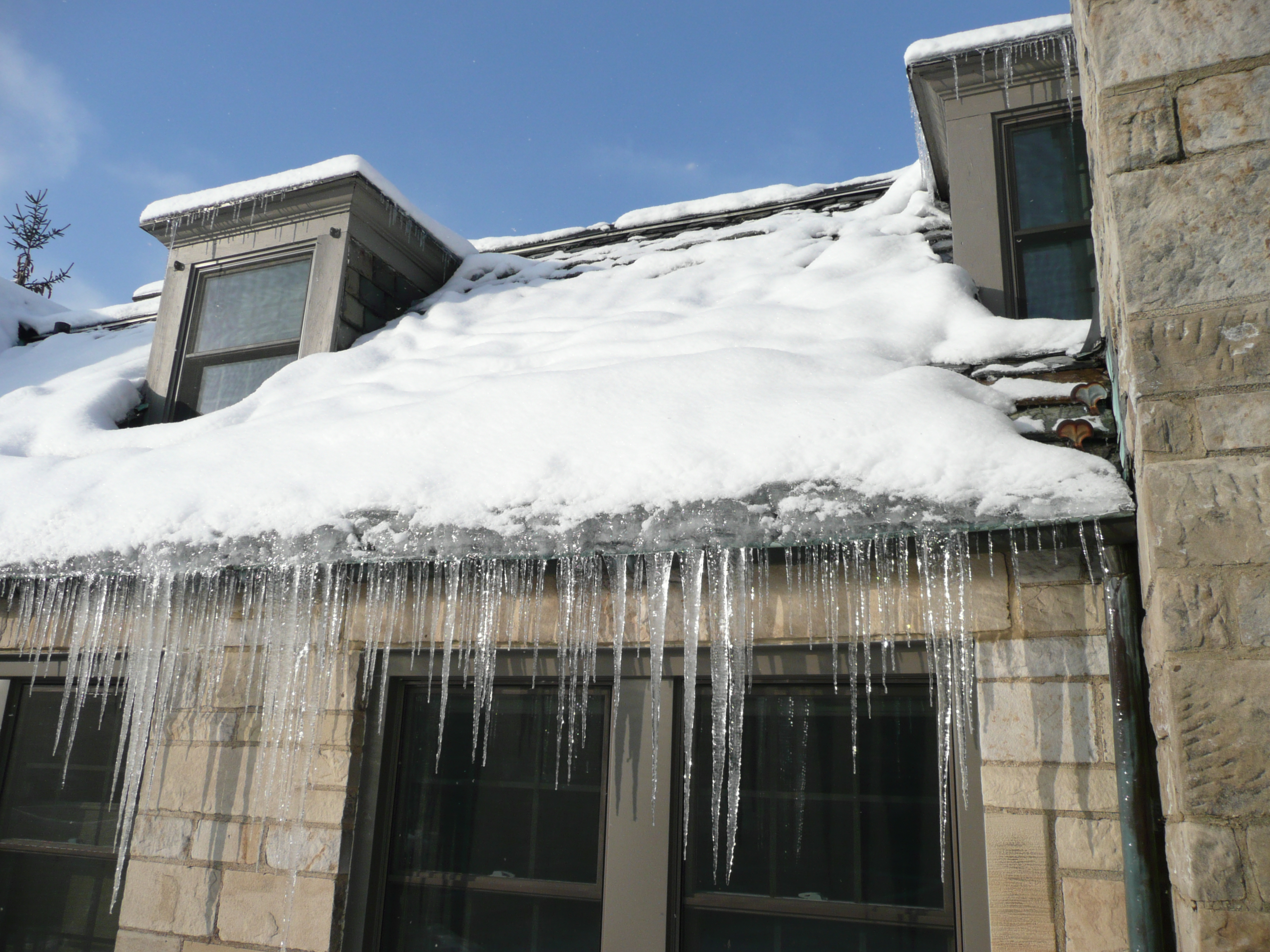
Temperature fluctuations create ice dams along roof edges. Heat escaping through inadequate insulation melts snow on the upper roof sections. Water flows downward, refreezing at the colder eaves. This ice barrier traps subsequent meltwater, forcing it underneath shingles. The trapped moisture seeps into your home, damaging:
- Ceiling materials
- Wall insulation
- Interior paint and drywall
- Wooden framing components
3. Freeze-Thaw Cycles
Muncie's winter temperatures oscillate above and below freezing repeatedly. Water penetrates small cracks and gaps in roofing materials. When temperatures drop, the water freezes and expands, widening existing damage. Each cycle compounds the problem, creating larger openings for moisture infiltration.
4. Wind-Driven Damage
Winter winds averaging 10-15 mph intensify cold exposure. Strong gusts lift loose shingles, tear away flashing, and drive snow into vulnerable areas. Wind chill accelerates material deterioration, making brittle shingles crack more easily.
Experienced roofing contractors in Muncie Indiana understand these specific challenges. Local roofing companies in Muncie Indiana have developed specialized techniques to combat regional winter threats. They recognize that prevention requires addressing Muncie's unique climate demands before the first snowfall arrives.
Additional Insights on Ice Dam Build-Up
A significant aspect of Muncie's winter weather impact on roofs is the ice dam build-up which can lead to severe damage if not properly managed.
Step 1: Conducting a Thorough Roof Inspection
Schedule your roof inspection Muncie before temperatures drop below freezing. Walk the perimeter of your home and examine your roof from ground level using binoculars. Look for visible signs of damage that demand immediate attention.
Critical Areas to Examine:
- Shingles - Scan for cracked, curled, or missing shingles that expose underlayment to moisture
- Flashing - Check metal strips around chimneys, skylights, and vents for rust, gaps, or separation from the roof surface
- Valleys - Inspect where two roof planes meet, as these collect water and debris
- Soffit and fascia - Identify rot, holes, or loose sections that allow pests and moisture entry
- Roof penetrations - Examine areas where pipes, vents, and electrical lines exit through the roof
Access your attic during daylight hours without artificial lighting. Search for light beams penetrating through the roof deck—these indicate holes or gaps. Run your hand along the underside of the roof deck to detect moisture or soft spots. Check insulation for water stains, mold growth, or compressed areas that reduce thermal efficiency.
Document every issue with photographs and detailed notes. Mark problem locations on a simple roof diagram to share with roofing contractors Muncie when requesting estimates. Pay special attention to areas that previously leaked or required repairs.
Test your roof's drainage by running water through a garden hose. Watch how water flows across the surface and through gutters. Standing water or slow drainage signals problems that will worsen when ice forms. Probe suspect areas gently with a screwdriver to assess wood integrity—soft or spongy material requires replacement.
Professional roofing contractors Muncie bring specialized equipment like moisture meters and infrared cameras to detect hidden damage. Their trained eyes spot subtle warning signs homeowners miss. Request a written inspection report that prioritizes repairs by urgency and provides cost estimates for each item.
Step 2: Cleaning Gutters and Downspouts for Proper Drainage
Clogged gutters create serious problems during Muncie winters. Water backs up, freezes, and forms ice dams that push moisture under shingles and into your home. Professional roofers Muncie Indiana handle hundreds of ice dam repairs each season—most stemming from neglected gutters.
Clear your gutters before temperatures drop below freezing. Ice formation in blocked gutters adds weight that strains mounting brackets and can tear sections away from your fascia board. Water overflow freezes along roof edges, creating dangerous icicles and potential structural damage.
Safe Gutter Cleaning Process
Gather your equipment:
- Sturdy ladder with stabilizer bars
- Heavy-duty work gloves
- Plastic scoop or garden trowel
- Garden hose with spray nozzle
- Safety goggles
- Bucket with S-hook for debris
Execute the cleaning:
- Position your ladder on stable ground, ensuring three points of contact at all times
- Scoop out leaves, twigs, and sediment from gutter channels
- Check downspout openings for blockages—push debris down or pull it up through the top
- Flush gutters with your hose, starting at the end farthest from the downspout
- Watch water flow through downspouts—standing water indicates remaining clogs
- Use a plumber's snake for stubborn downspout blockages
Inspect gutter pitch while cleaning. Water should flow toward downspouts without pooling. Sagging sections need immediate adjustment or replacement before winter arrives.
Winterizing Your Muncie Roof requires attention to downspout extensions. Direct water at least six feet away from your foundation. Frozen ground prevents water absorption, creating ice buildup near your home's base.
Check gutter hangers and spikes. Loose hardware allows gutters to pull away under snow and ice weight. Tighten or replace damaged fasteners immediately. Consider hiring experienced roofing Muncie contractors if your roof height exceeds two stories or if you notice significant damage requiring professional repairs.
Step 3: Sealing and Caulking Roof Penetrations
Heat escapes through unsealed gaps around chimneys, vents, and skylights. During Muncie's freezing winters, this heat loss creates the perfect conditions for ice dam formation. Warm air melts snow on your roof, which then refreezes at the eaves, causing water to back up under shingles and leak into your home.
Moisture intrusion through these same penetrations leads to rot, mold growth, and structural damage. Water finds its way through the smallest openings, expanding as it freezes and widening cracks with each temperature fluctuation. Seal these vulnerable points now to prevent expensive repairs later.
Critical Areas Requiring Immediate Attention
- Chimney flashing: Check where metal flashing meets brick or siding
- Plumbing vents: Inspect rubber boots for cracks or deterioration
- Exhaust fans: Examine seals around bathroom and kitchen vents
- Skylights: Look for gaps between the frame and roofing material
- Satellite dish mounts: Verify all mounting hardware penetrations are sealed
Best Sealant Materials for Muncie's Climate
Polyurethane sealants withstand extreme temperature swings common in Indiana winters. These products remain flexible down to -40°F, preventing cracking during cold snaps. Apply them to metal flashing and masonry surfaces for reliable, long-lasting protection.
Silicone-based caulks work exceptionally well around vents and smaller penetrations. They resist UV degradation and maintain elasticity through multiple freeze-thaw cycles. Choose products specifically rated for exterior use and temperature extremes.
Butyl rubber tape provides an excellent backup seal for flashing repairs. This material creates a watertight bond that stands up to Muncie's harsh winter conditions without becoming brittle.
Professional roofing contractors Muncie trust these materials because they perform reliably year after year. Many roofing companies in Muncie Indiana stock commercial-grade versions of these sealants, which offer superior durability compared to consumer products. Apply sealants on days when temperatures exceed 40°F for proper adhesion and curing.
Additionally, it's important to follow the IRC guidelines for sealing roof penetrations effectively. This includes understanding the specific repair techniques necessary for different types of roof leaks, as detailed in various leaky roof repair guides.
Step 4: Improving Insulation and Ventilation in Your Attic
Your attic is an important part of your home's defense against winter weather. If your insulation is not sufficient, warm air can escape through the roof and cause snow to melt and refreeze, leading to ice dams that can damage your roof. In this step, we will discuss how to check and improve your attic insulation and ventilation.
Checking Your Insulation
Start by checking the depth of your existing insulation. In Muncie, homes should have a minimum R-value of R-49, which means you need about 16-18 inches of blown-in fiberglass or cellulose insulation. Use a ruler or measuring tape to measure the thickness of the insulation at different spots on the attic floor. If you find any areas where the insulation is less than this requirement, add more insulation in those spots. Pay special attention to corners and edges where contractors may have cut corners during the initial installation.
Key Areas to Insulate
Make sure to also insulate these specific areas:
- Around recessed lighting fixtures
- Near attic hatches and access points
- Where the roof meets the attic floor (perimeter walls)
- Around chimneys and plumbing stacks
Improving Ventilation
Proper ventilation is just as important as insulation in maintaining a healthy attic environment. Without adequate airflow, moisture can build up in the attic and lead to problems such as mold growth or rot. To ensure good ventilation, you need both intake vents (to bring fresh air in) and exhaust vents (to let warm, moist air out).
Installing Soffit Vents
Start by installing soffit vents at the eaves of your roof. These vents should be positioned low down on the roofline so that they can effectively draw cool air into the attic space. Aim for one square foot of soffit vent area for every 150 square feet of attic floor area.
Adding Ridge or Gable Vents
Next, pair the soffit vents with either ridge vents or gable vents at the peak of your roof. These vents will allow hot air trapped inside the attic to escape. Again, maintain a ratio of one square foot of ventilation for every 150 square feet of attic space.
Inspecting Existing Vents
It's also important to check any existing vents in your attic for blockages that could hinder airflow. Common culprits include insulation blocking vent openings, bird nests obstructing exhaust vents, or debris accumulating around intake vents. Use a straightened wire hanger or compressed air to clear any blocked soffit vents.
Seeking Professional Help
If you're unsure about how much insulation you have or whether your ventilation system is working properly, consider hiring professional roofing contractors like Five Star Roofing or Five Star Commercial Roofing in Muncie Indiana. They can perform an inspection of your attic's insulation and ventilation during their pre-winter assessment visit. Their trained eyes can spot issues that may go unnoticed by untrained individuals and provide tailored recommendations based on your specific roof configuration.
By ensuring proper insulation and ventilation in your attic, you can protect your home from winter damage caused by ice dams while also improving energy efficiency throughout the year.
Step 5: Completing Necessary Roof Repairs Before Winter Sets In
Address damaged areas immediately.
Your inspection revealed weak spots that demand attention before snow and ice arrive. Cracked shingles need replacement. Damaged flashing, such as your chimney flashing, requires immediate fixing. Sagging sections signal structural problems that will worsen under heavy snow loads.
Create a priority list based on severity.
Start with leaks and water intrusion points—these pose the greatest threat to your home's interior. Move next to missing or damaged shingles that expose underlayment to harsh elements. Handle structural concerns third, as these affect your roof's ability to bear winter's weight.
Critical repairs that cannot wait:
- Active leaks or water stains on ceilings
- Missing shingles or large bare patches
- Damaged or separated flashing around chimneys and vents
- Soft or spongy spots indicating rot
- Loose or exposed fasteners
Schedule repairs now.
Roofing contractors Muncie Indiana experience high demand as temperatures drop. Book your work in early fall when weather conditions remain favorable for installation. Cold temperatures affect adhesive properties of roofing materials and make repairs more challenging.
Select experienced professionals for winterizing your Muncie roof.
Look for 5 star roofing Muncie Indiana companies with proven track records in winter preparation. Verify their licensing and insurance coverage. Request references from previous winter-related projects. Ask specific questions about their experience handling ice dam prevention and cold-weather installations.
Check contractor availability for emergency repairs.
Winter storms can cause unexpected damage. Establish a relationship with reliable roofing contractors Muncie Indiana who offer emergency services. Keep their contact information accessible throughout the season.
Document all repairs with photos and receipts.
This record proves valuable for insurance claims and future maintenance planning. Request warranties on completed work to protect your investment against premature failure.
Choosing the Right Roofing Company in Muncie for Winter Preparation
Select roofing companies in Muncie Indiana with proven winter preparation expertise. Your roof's survival through harsh Muncie winters depends on contractor quality.
Critical Qualities to Verify
Check for these non-negotiable credentials when evaluating roofers Muncie Indiana:
- Local experience spanning multiple winters - Contractors must demonstrate hands-on knowledge of Muncie's specific weather patterns
- Proper licensing and comprehensive insurance coverage - Protect yourself from liability during winter preparation work
- Documented track record with ice dam prevention - Request references from previous winter preparation projects
- Emergency response capabilities - Winter damage requires immediate attention
- Material expertise for cold-weather applications - Not all roofing products perform equally in freezing conditions
Why Muncie-Specific Knowledge Matters
Muncie roofing companies familiar with regional challenges understand the unique stress factors local roofs face. Heavy snow loads, rapid freeze-thaw cycles, and ice accumulation patterns differ from neighboring regions. Generic roofing advice fails in Muncie's climate.
Search for contractors who specify their roofing Muncie IN experience. Ask direct questions about their approach to:
- Ice dam prevention strategies specific to Muncie architecture
- Snow load calculations for local building codes
- Ventilation solutions that work in Indiana's humidity levels
- Material selections proven effective in this climate zone
Evaluating Company Reputation
Research five star roofing Muncie IN options through multiple channels. Read recent reviews focusing on winter-related work. Contact the Better Business Bureau for complaint histories. Request detailed estimates from at least three qualified contractors. Compare their winter preparation protocols, not just pricing.
Verify warranty coverage extends through winter months. Confirm availability for post-storm inspections and emergency repairs.
Benefits of Winterizing Your Roof Early
Act now. Waiting until the first snowfall hits Muncie puts your roof at serious risk. Early preparation for winterizing your Muncie roof delivers measurable financial benefits that extend far beyond the current season.
1. Immediate Cost Savings
Addressing minor issues before winter arrives prevents them from escalating into major problems. A small crack in your flashing costs $150 to repair in October. That same crack, left untreated through winter's freeze-thaw cycles, can lead to interior water damage exceeding $3,000 by March. Roofing contractors Muncie Indiana report that emergency winter repairs cost 40-60% more than scheduled maintenance due to hazardous working conditions and urgent service fees.
2. Energy Efficiency Gains
Proper winterization creates a thermal barrier that keeps heated air inside your home. Homeowners who seal roof penetrations and upgrade attic insulation see heating bills drop by 15-25% during winter months. Your HVAC system runs less frequently, reducing wear and extending its operational lifespan by several years.
3. Property Value Protection
Real estate appraisers factor roof condition heavily into home valuations. A well-maintained, winterized roof adds $8,000-$12,000 to your property's market value. Buyers recognize the difference between a neglected roof and one that's been professionally prepared for harsh weather conditions.
4. Extended Roof Lifespan
Winter damage accelerates deterioration. Ice dams tear off shingles. Moisture infiltration rots decking. Temperature fluctuations crack sealants. Early winterization prevents this cumulative damage, adding 3-5 years to your roof's functional life. This delay in replacement costs represents thousands of dollars in deferred expenses.
Schedule your winterization work in September or early October when roofing contractors Muncie Indiana have greater availability and competitive pricing.
Conclusion
Take action now to protect your investment. Winterizing your Muncie roof demands immediate attention before the first snowfall arrives. The five essential steps outlined in this guide provide a clear roadmap for safeguarding your home against harsh winter conditions.
Your roof serves as your home's primary defense system. Neglecting winter preparation invites expensive repairs, structural damage, and potential safety hazards. The inspection, cleaning, sealing, insulation, and repair processes work together to create a comprehensive protective barrier against Muncie's brutal winter weather.
Don't wait until problems emerge. Ice dams, leaks, and structural failures develop quickly once winter sets in. Address vulnerabilities now while temperatures remain manageable and contractors maintain flexible schedules.
Professional expertise matters. If uncertainty exists about any winterization step, contact experienced roofing companies in Muncie Indiana immediately. Licensed contractors understand local weather patterns, building codes, and the specific challenges your roof faces during winter months. They possess the tools, knowledge, and safety equipment necessary to complete the job correctly.
Your roof's longevity depends on the actions you take today. Schedule your inspection, gather necessary materials, and begin the winterization process. The time invested now prevents catastrophic damage later. Protect your home, your family, and your financial security by making winterizing your Muncie roof a top priority this season.
FAQs (Frequently Asked Questions)
Why is winterizing my roof important in Muncie, Indiana?
Winterizing your roof in Muncie is crucial due to the area's harsh winter conditions, including heavy snowfall, ice formation, and freezing temperatures. Proper winterization helps protect your roof from damage such as sagging, leaks, and structural issues, ensuring its longevity and maintaining your home's safety.
What are the common winter weather challenges that roofs face in Muncie?
Roofs in Muncie commonly face challenges like heavy snow accumulation, ice dam formation, and freezing temperatures during winter. These conditions can cause water backup, shingle damage, and increased stress on roofing structures leading to potential leaks and deterioration.
How do I conduct a thorough roof inspection before winter in Muncie?
Perform a comprehensive roof inspection by checking for cracked or missing shingles, worn-out flashing around chimneys and vents, and ensuring gutters and drainage systems are clear. Identifying these issues early helps prevent worsening damage during the cold months.
Why is cleaning gutters and downspouts important for winterizing my Muncie roof?
Keeping gutters and downspouts free of debris prevents water backup and ice dam formation on your roof. Proper drainage ensures melting snow flows away safely, reducing the risk of leaks and structural damage caused by trapped moisture during winter.
How can enhancing attic insulation and ventilation help protect my roof in Muncie's winters?
Adequate attic insulation helps maintain consistent roof temperatures to prevent ice dams by minimizing heat loss. Proper ventilation promotes airflow that reduces condensation buildup, protecting roofing materials from moisture damage and extending the lifespan of your roof.
What should I look for when choosing a roofing company in Muncie for winter preparation?
Select a reputable roofing contractor experienced with Muncie's specific winter challenges. Look for companies with positive local reviews, proper licensing, insurance, and expertise in winterizing roofs to ensure reliable repairs and maintenance that safeguard your home throughout the cold season.
