Winter-Proof Your Muncie Home: Do You Need a Heated Roof System?
Winter-Proof Your Muncie Home: Do You Need a Heated Roof System?
Winter-Proof Your Muncie Home: Do You Need a Heated Roof System?
Winter in Muncie can be harsh, with conditions that put your home's roof to the test. Snow buildup, freezing temperatures, and ice formation create a combination of challenges that require immediate attention.
Here are some common winter threats to your roof:
- Ice dams blocking proper drainage
- Heavy snow loads putting stress on roof structures
- Icicles posing safety hazards
- Water damage from freeze-thaw cycles
Traditional roofing solutions in Muncie often struggle when temperatures drop and snow accumulates. Standard gutters freeze up, regular insulation fails to stop heat loss, and emergency repairs become expensive nightmares during the busiest winter months.
Introducing Heated Roof Systems
That's where heated roof systems come in – an innovative solution gaining popularity among smart homeowners who refuse to let winter dictate their comfort and safety. These systems actively fight against ice formation at its source, keeping drainage paths clear when you need them the most.
The reality is simple: winter will always challenge your roof. The real question is whether you'll be ready for it.
This guide looks at heated roof systems as a practical way to winter-proof your Muncie home. We'll delve into the different parts of the system, what it takes to install them, energy considerations, and real-world performance data. Local roofing contractors will share their expertise on how to determine if a heated roof system is right for your property.
Take charge of winter before it takes charge of your home.
Understanding Winter Weather Challenges in Muncie, Indiana
Muncie Indiana winters deliver harsh conditions that test every home's structural integrity. The city experiences average snowfall ranging from 20 to 30 inches annually, with temperatures frequently dropping below 20°F during December through February. These snowfall Muncie patterns create sustained periods where snow accumulates on rooftops without melting.
The freeze-thaw cycle becomes your roof's worst enemy. Daytime temperatures hover near freezing, causing snow to partially melt. Night brings sub-zero conditions that instantly freeze this melted water. This relentless pattern creates ice dams Muncie homeowners know all too well.
The Ice Dam Formation Process
Ice dams develop when heat escapes through your roof, warming the upper sections while eaves remain frozen. Snow melts on the warmer areas, flows down to the cold eaves, and freezes solid. This ice barrier traps subsequent meltwater behind it, forcing water to back up under shingles and into your home.
Key warning signs include:
- Thick icicles hanging from gutters
- Ice buildup along roof edges
- Water stains on interior walls or ceilings
- Sagging gutters from ice weight
Roofing Damage Beyond Ice Dams
Muncie's winter conditions create multiple roofing threats. Heavy snow loads stress structural components, while ice expansion can crack shingles and damage flashing. Gutters suffer from ice weight, often pulling away from fascia boards or developing leaks at joints.
Roofers in Muncie Indiana professionals report increased service calls during winter months, with ice dam removal and emergency repairs dominating their schedules. Roofing companies in Muncie Indiana like 5 Star Roofing Muncie Indiana and Five Star Commercial Roofing Muncie Indiana document how these weather patterns cause thousands of dollars in damage annually across local homes.
The combination of sustained cold, heavy snowfall, and temperature fluctuations makes Muncie particularly susceptible to winter roofing problems that demand proactive solutions.
What is a Heated Roof System?
A heated roof system is a specialized equipment designed to prevent ice formation on rooftops through controlled heat application. These systems target critical areas where ice dams typically form, maintaining temperatures above freezing to ensure continuous water flow off your roof.
The main parts of a heated roof system include heating elements, control systems, and power connections:
- Heating elements: These generate warmth along roof edges, gutters, and downspouts.
- Control systems: These regulate temperature activation based on weather conditions or manual settings.
- Power connections: These supply electricity through weatherproof wiring designed for outdoor winter conditions.
Types of Heating Elements
There are several types of heating elements used in heated roof systems:
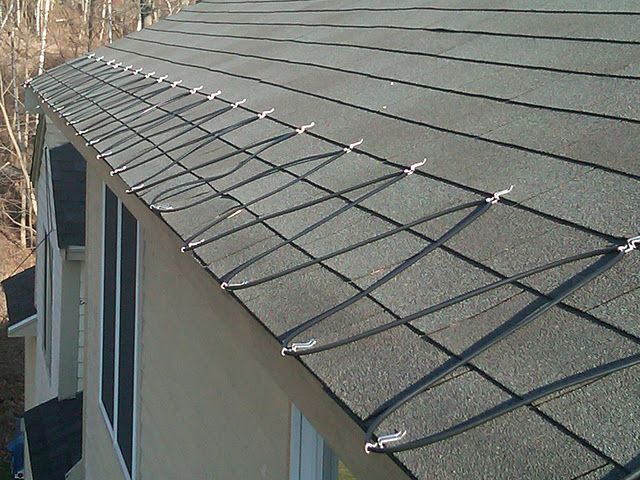
- Electric heating cables: These are the most common approach for residential applications. They snake along roof edges in zigzag patterns, creating heated pathways for melting snow and ice.
- Heat mats: These flat panels install directly onto roof surfaces, providing uniform heat distribution across larger sections.
- Heat tape: This flexible heating element adheres directly to gutters and downspouts, preventing ice blockages in drainage systems.
Each type of heating element addresses specific winter challenges:
- Cable systems excel at preventing ice dam formation along roof edges.
- Mat systems handle broader coverage areas effectively.
- Heat tape focuses on maintaining gutter functionality during freeze-thaw cycles.
For detailed information about the different types of heating elements and their applications, you can refer to this comprehensive guide.
Additional Components
In addition to the heating elements, there are other important components in a heated roof system:
- Sensor-based controls: These activate heating when moisture and freezing temperatures occur simultaneously.
- Manual override switches: These allow for immediate activation during severe weather events.
- GFCI protection: This ensures electrical safety in wet conditions.
- Weatherproof junction boxes: These protect electrical connections from moisture infiltration.
If you encounter any issues with your heated roof system, this troubleshooting guide can provide valuable assistance.
Benefits of Installing a Heated Roof System for Muncie Homes
Ice Dam Prevention Saves Your Property
Heated roof systems deliver powerful roofing protection Indiana homeowners need most. These systems eliminate the freeze-thaw cycle that creates dangerous ice dams along roof edges. When snow melts and refreezes, it forms barriers that trap water behind them. This trapped water seeps under shingles, causing extensive interior damage to ceilings, walls, and insulation. A heated roof system maintains consistent temperatures across your entire roof surface, preventing this destructive cycle from starting.
Dramatic Reduction in Gutter Maintenance
Your gutters and downspouts face constant stress during Muncie winters. Ice buildup forces gutters to sag, crack, or pull away from your home entirely. Heated systems keep water flowing freely through gutters and downspouts throughout winter months. This consistent flow eliminates the need for:
- Emergency ice removal services
- Frequent gutter repairs or replacements
- Costly downspout realignment
- Professional cleaning after ice damage
Enhanced Safety for Your Family
Falling icicles pose serious threats to anyone walking near your home. These ice formations can weigh dozens of pounds and fall without warning. Heated roof systems prevent ice dams Muncie residents commonly experience while eliminating icicle formation entirely. Your walkways, driveways, and entry points remain safe for family members, visitors, and delivery personnel.
Long-Term Structural Protection
The benefits heated roof system installation provides extend beyond immediate winter concerns. Repeated ice dam formation weakens roof structures, compromises shingle integrity, and damages fascia boards. Water infiltration from ice dams leads to mold growth, rotted wood framing, and compromised insulation effectiveness. Heated systems protect these critical structural elements, preserving your home's value and preventing expensive repairs that often exceed the system's installation cost.
Assessing If Your Home Needs a Heated Roof System
Do I need heated roof system for my Muncie home? Several warning signs point to this necessity. Examine your roof carefully during and after winter storms.
Warning Signs That Your Home May Need a Heated Roof System
- Ice dam formation: Check for thick ice ridges along your roof edges that prevent proper drainage. Water backing up behind these barriers creates interior leaks and ceiling damage.
- Icicle clusters: Hanging from gutters signal temperature imbalances on your roof surface. Large, persistent icicles indicate heat escaping through your roof, creating freeze-thaw cycles that damage roofing materials.
- Heavy snow accumulation: That refuses to slide off naturally suggests your roof retains too much heat. This trapped warmth melts bottom snow layers while surface snow remains frozen, creating dangerous conditions.
Monitor these specific problem areas:
- Roof valleys where two slopes meet
- Eaves and overhangs with poor insulation
- South-facing sections receiving direct sunlight
- Areas above heated rooms like kitchens or bathrooms
Other Indicators of Potential Issues
- Recurring gutter damage: From ice expansion indicates chronic freezing issues. Bent downspouts, separated joints, and cracked gutters result from repeated ice formation.
- Document these problems with photographs. Track when issues occur and their severity.
- Roofing contractors Muncie Indiana assessment services provide professional evaluation of your specific situation. Local contractors understand regional weather patterns and can identify subtle signs homeowners might miss.
Your home's age, insulation quality, and architectural features influence heated roof system necessity. Professional assessment determines the most effective solution for your property's unique challenges.
Consulting with Local Roofing Contractors for Professional Assessment
Professional evaluation becomes critical when determining whether your Muncie home requires a heated roof system. Roofing companies Muncie evaluation services provide expertise that goes beyond surface-level assessments. Local contractors understand the unique weather patterns, architectural styles, and building codes specific to the area.
Muncie roofing companies bring valuable insights about regional climate challenges. They recognize how the city's freeze-thaw cycles affect different roof materials and slopes. This knowledge proves essential when evaluating your home's vulnerability to ice dam formation and snow accumulation patterns.
Key benefits of professional assessment include:
- Detailed roof inspection identifying problem areas
- Analysis of your home's insulation and ventilation systems
- Evaluation of existing gutter and drainage systems
- Assessment of roof pitch and material compatibility
- Cost-benefit analysis specific to your property
Roofing contractors Muncie professionals examine factors you might overlook. They assess your home's orientation, surrounding vegetation, and neighboring structures that influence snow drift patterns. These contractors also evaluate your electrical system's capacity to support heated roof components.
Roofing Muncie IN specialists provide customized solutions based on your home's architecture. A ranch-style home faces different challenges than a two-story colonial. Contractors consider these structural differences when recommending heating element placement and system specifications.
Five Star Roofing Muncie IN and similar established companies maintain detailed records of local installations. They track performance data and can predict which systems work best for specific neighborhood conditions and home types.
Considering Energy Costs and Long-Term Savings with Heated Roof Systems
Calculating the energy costs of heated roof systems requires a careful examination of your home's specific power consumption patterns. The amount of energy used will depend on factors such as the design of the system and the outdoor temperatures.
Understanding Power Consumption
Electric heating cables typically consume between 2-8 watts per linear foot. A standard 2,000 square foot home might require 300-500 linear feet of heating cable, translating to approximately 600-4,000 watts of power consumption during active operation.
How Heated Roofs Operate
Electric consumption heated roofs operate on demand-based activation. This means that the heating elements will only turn on when certain conditions are met, such as low temperatures and moisture presence.
Most systems include thermostatic controls that activate heating elements only when temperatures drop below 35-38°F and moisture is present. This smart operation reduces unnecessary energy usage during dry cold spells or milder winter days.
Estimating Monthly Operating Costs
Here are some estimated monthly operating costs for heated roof systems based on their size:
- Small residential systems: $30-75 per month during peak winter
- Medium-sized installations: $75-150 per month
- Large or complex roof systems: $150-300 per month
These figures assume average Muncie electricity rates of $0.12-0.15 per kWh and typical winter weather patterns.
Potential Savings from Damage Prevention
Heated roof systems can help homeowners save money by preventing costly repairs associated with ice dams. Here are some potential savings:
- Ice dam repairs frequently cost homeowners $1,500-5,000 per incident.
- Water damage from failed ice dams can escalate to $10,000-25,000 in structural repairs, insulation replacement, and interior restoration.
- Gutter replacement due to ice damage averages $800-2,500 per occurrence.
Heated roof systems prevent these expensive repairs through consistent ice prevention. The annual energy investment of $300-1,200 becomes insignificant when compared to a single major ice dam incident. For more insights on how these systems can effectively prevent such damage and save costs in the long run, refer to this detailed discussion on the benefits of heated roofs.
Calculating Return on Investment Timeline
Most Muncie homeowners recover their heated roof system investment within 2-4 years through avoided repair costs. Homes with documented ice dam histories see faster payback periods, often within the first severe winter season. Insurance claims reduction also contributes to long-term savings through maintained premium rates and avoided deductibles.
To calculate your specific energy costs, multiply your system's wattage by local utility rates and expected operating hours during Muncie's typical 120-day winter season. It's also worth considering the effectiveness of deicer cables as part of your heated roof system for enhanced performance against ice dams.
Choosing the Right Roofing Contractor in Muncie for Installation
Selecting qualified roofing contractors Muncie Indiana requires careful evaluation of their expertise with heated roof systems. Not all contractors possess the specialized knowledge needed for proper installation of these complex heating elements.
Essential Contractor Qualifications
Experience with heated systems stands as the primary requirement. Ask potential contractors about their track record with electric heating cables, ice melt mats, and temperature control systems. Request references from previous heated roof installations in the Muncie area.
Proper licensing and insurance protect your investment. Verify that contractors hold current Indiana state licenses and carry comprehensive liability insurance. Request proof of workers' compensation coverage to avoid potential liability issues.
Local weather expertise proves invaluable for Muncie installations. Contractors familiar with local snow loads, freeze-thaw cycles, and wind patterns design more effective systems. They understand which areas of your roof face the greatest ice dam risks.
Red Flags to Avoid
Watch for contractors who:
- Quote significantly below market rates without explanation
- Cannot provide local references for heated roof work
- Lack manufacturer certifications for heating system components
- Pressure you to sign contracts immediately
Evaluation Process
Request detailed proposals that specify heating element types, coverage areas, and electrical requirements. Compare warranty terms for both labor and materials. Quality contractors offer multi-year warranties on their installation work.
Check online reviews and Better Business Bureau ratings. Contact previous customers directly to inquire about system performance and contractor reliability.
Verify manufacturer partnerships. Established roofing contractors Muncie Indiana maintain relationships with reputable heating system manufacturers. These partnerships ensure access to quality components and technical support.
Schedule consultations with multiple contractors to compare approaches and pricing. The right contractor will conduct thorough roof inspections and provide customized solutions based on your home's specific needs.
Additional Winter-Proofing Measures for Your Roof
Heated roof systems work most effectively when combined with proper insulation and ventilation strategies. These foundational elements create a comprehensive defense against winter weather damage.
Improving Attic Insulation to Prevent Heat Loss
Attic insulation Muncie homes require specific attention due to the region's temperature fluctuations. Heat escaping through inadequately insulated attics creates uneven roof temperatures that trigger ice dam formation. Warm air rises and melts snow on upper roof sections while lower areas remain frozen, creating dangerous ice barriers.
Proper insulation installation involves:
- R-38 to R-60 insulation values for Muncie's climate zone
- Sealing air leaks around electrical fixtures, plumbing penetrations, and attic access points
- Installing vapor barriers to prevent moisture infiltration
- Maintaining consistent coverage without gaps or compressed areas
Blown-in cellulose or fiberglass batts provide effective thermal barriers when installed correctly. Professional assessment determines the current R-value and identifies areas requiring additional coverage.
Setting Up Proper Roof Ventilation Systems
Ventilation roofing Muncie Indiana installations must balance intake and exhaust airflow to maintain consistent roof deck temperatures. Inadequate ventilation traps warm air in attic spaces, accelerating snow melt and ice dam development.
Effective ventilation systems include:
- Soffit vents for cool air intake along roof edges
- Ridge vents or exhaust fans for warm air removal at roof peaks
- Baffles to maintain airflow channels between insulation and roof decking
- Continuous airflow paths from eaves to ridge without obstructions
Calculate ventilation requirements using the 1:300 rule - one square foot of ventilation per 300 square feet of attic floor space. Split this ratio equally between intake and exhaust vents.
These measures create a cold roof system that prevents snow melt while reducing energy costs. Combined with heated roof systems, proper insulation and ventilation provide maximum protection against winter damage while maintaining energy efficiency throughout the heating season.
Real-Life Examples: Success Stories from Local Homes with Heated Roof Systems
Local Muncie homeowners have documented significant improvements after installing heated roof systems. These roofing Muncie case studies demonstrate practical benefits across different property types.
Johnson Family's Solution to Ice Dams
The Johnson family on West Jackson Street faced recurring ice dam problems for three consecutive winters. Their colonial-style home developed water damage in the master bedroom ceiling each February. After installing electric heating cables along their gutters and roof edges, they eliminated ice formation completely. Their energy costs increased by $45 monthly during peak winter months, but they avoided $2,800 in water damage repairs.
Ranch Home's Response to Dangerous Icicles
A ranch home on South Walnut Street experienced dangerous icicle formations that blocked walkways and threatened pedestrian safety. The homeowner installed heated roof mats across problematic areas. The system prevented icicle growth and reduced snow accumulation by 60% during heavy snowfall events.
Commercial Success Story: Apartment Complex on McGalliard Road
A local apartment complex on McGalliard Road installed comprehensive heated roof systems across four buildings. Property management reported:
- Zero ice dam incidents in two winter seasons
- Reduced maintenance calls by 75%
- Eliminated liability concerns from falling ice
- Tenant satisfaction increased significantly
The complex's heating system operates automatically when temperatures drop below 35°F. Monthly operational costs average $180 per building, while previous winter damage repairs cost $4,500 annually across the property.
These documented cases show heated roof systems deliver measurable protection for Muncie properties facing winter weather challenges.
Conclusion
Winter challenges demand immediate action. Your Muncie home faces harsh conditions every year, and waiting for problems to develop costs more than preventing them.
Heated roof systems offer proven protection against ice dams, water damage, and safety hazards. These systems work best when combined with proper insulation and ventilation upgrades. Consider your home's specific needs:
- Recurring ice dam problems - Install heated cables immediately
- Heavy snow accumulation areas - Focus on vulnerable roof sections
- Aging gutters and downspouts - Protect your investment with preventive heating
- Safety concerns from falling ice - Eliminate risks before accidents occur
Professional assessment makes the difference. Local roofing contractors understand Muncie's unique winter patterns and can evaluate your home's vulnerabilities. They provide customized solutions that match your budget and heating requirements.
Energy costs pale compared to water damage repairs. Calculate potential savings from avoided structural repairs, gutter replacements, and interior damage restoration. Most homeowners recover their investment within the first major winter storm season.
Act before the next winter season arrives. Schedule consultations with experienced Muncie roofing contractors now. They can design comprehensive winter-proof home tips Muncie residents trust, combining heated roof systems with complementary weatherization measures.
Your home deserves protection. Contact local professionals today for personalized recommendations and installation services.
FAQs (Frequently Asked Questions)
What winter weather challenges do Muncie homes typically face that affect roofing?
Muncie, Indiana experiences cold winters with significant snowfall and freezing temperatures. These conditions often lead to common roofing problems such as ice dams and icicles, which can cause water damage and increase maintenance needs for homeowners.
What is a heated roof system and how does it work?
A heated roof system is designed to prevent snow and ice buildup on roofs by using electric heating cables or mats installed along roof edges and gutters. These systems melt snow and ice, reducing the risk of ice dams and protecting the roofing structure during harsh winter months.
What are the benefits of installing a heated roof system for homes in Muncie?
Installing a heated roof system in Muncie helps prevent ice dams and associated water damage, reduces gutter and downspout maintenance, enhances safety by minimizing falling icicles, and ultimately winter-proofs your home against typical local winter challenges.
How can I determine if my home in Muncie needs a heated roof system?
Signs that indicate the need for a heated roof system include recurring ice dam problems, frequent buildup of heavy snow loads on your roof, or previous water damage caused by melting snow. Consulting with local roofing contractors can provide a professional assessment tailored to your home's needs.
Why is it important to consult local roofing contractors in Muncie for installing heated roof systems?
Local roofing contractors in Muncie have expertise with the specific winter challenges in the area. They offer personalized recommendations based on your home's unique characteristics and ensure proper installation of heated roof systems to maximize effectiveness and energy efficiency.
What should I consider regarding energy costs when installing a heated roof system in Muncie?
While heated roof systems consume electricity during winter months, it's important to balance these energy costs against potential savings from avoiding costly repairs due to ice dams or water damage. Consulting with professionals can help optimize system design for energy efficiency and long-term savings.
